

Raila Odinga: The humorous statesman who turned politics into art and laughter
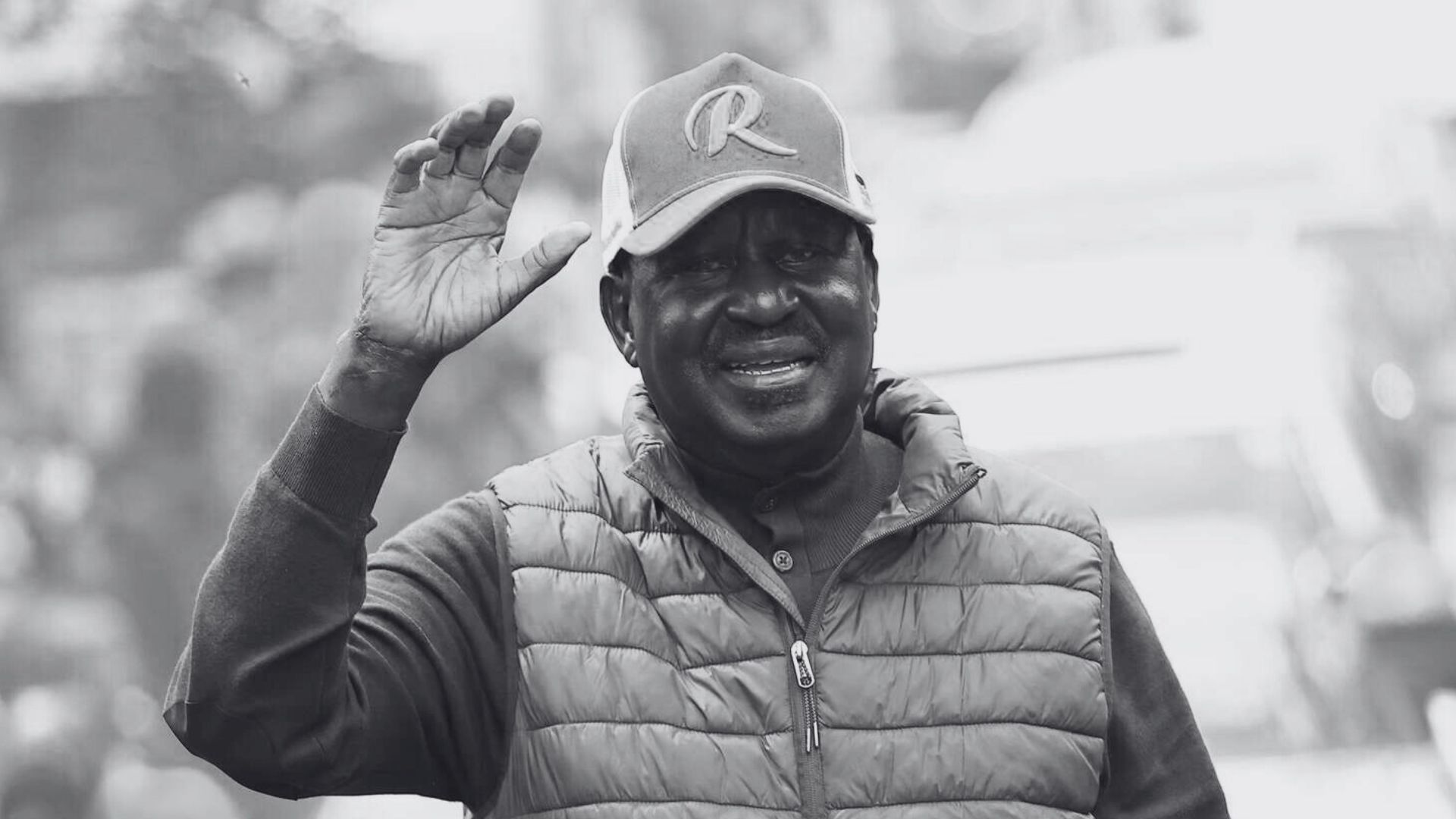
The late Raila Amolo Odinga steered ODM ship for decades. File photo
The late Raila Amolo Odinga will be remembered not just as a political titan but also as a man who infused humour, song, and wit into Kenya’s political landscape.
His speeches could make crowds roar with laughter, his jokes disarm opponents, and his metaphors paint vivid pictures that lingered long after he left the stage.
Raila had a natural gift for performance — and he knew it. Whether breaking into song, narrating vitendawili (riddles), or delivering a football-style commentary at rallies, he understood the pulse of his audience.
One of his most memorable performances came when he sang “Kweli Ajali Haikingiki” — a classic by Fundi Konde, one of Kenya’s earliest and most celebrated musicians. The song’s refrain, “Ajali haikingiki, asainipo Mola Mwenyewe…” (Accidents cannot be avoided, When God decrees) — was both soulful and reflective.
To many, it wasn’t just music — it was a lesson on destiny, the acceptance of loss, and the courage to move on. He used the song to remind Kenyans that in politics, just like in life, fate sometimes plays a hand beyond human control.
Raila’s humour wasn’t the scripted kind. It was spontaneous — born from his sharp wit and a lifetime of navigating Kenya’s political storms. He could make a serious policy debate sound like a theatre performance, lightening tension while driving his point home.
Former Nigerian President Olusegun Obasanjo, while giving his tribute in Bondo, captured this rare quality perfectly.
“Raila was a very strange man. When all people panicked under tension, he would find a way of breaking the ice by making a contextual joke and make people laugh,” Obasanjo said.
Those who worked closely with Raila recall how he often used humour to navigate tense meetings.
During coalition negotiations, he would lean back, smile, and crack a line so timely that even his fiercest rivals would momentarily let down their guard.
Raila’s political language was a theatre of the mind. His vitendawili — riddles — became legendary. He would pose a puzzle to his audience, pause dramatically, and let the crowd echo the answer. It was a call-and-response performance that made politics participatory, even poetic.
Then came his football-style political commentaries — another signature mark of his rallies. Raila, a lifelong football enthusiast and former Gor Mahia club patron, often likened elections to football matches.
Prime Cabinet Secretary Musalia Mudavadi recalled this side of him vividly during his tribute.
“If you wanted to know your pecking order in Raila’s lineup, you only needed to listen to him commentating football on political rally podiums,” Mr Mudavadi said, drawing laughter.
He reminisced how his (Mudavadi) rallying slogan “Nasa hao!” during the 2017 elections became a stadium chant that united crowds in rhythm and energy.
“He could make a political rally sound like a match-day commentary — with referees, defenders, midfielders, and strikers all mapped onto Kenya’s political field,” Mr Mudavadi said.
Yet beneath the laughter was always a layer of wisdom. Raila’s jokes were rarely empty; they carried meaning, sometimes sharp critique, sometimes a soft landing for uncomfortable truths.
During heated debates, he’d turn to humour as a bridge — a way of saying the unsayable. Even in Parliament, he often softened tense exchanges with light quips that left both sides smiling.
To many, this blend of intellect, timing, and humour was Raila’s political genius. He knew that laughter could unite where arguments divide.
Those close to him say Raila enjoyed laughter as much as he created it. He could laugh until tears rolled down his cheeks — unrestrained, infectious, and genuine.
His aides recall moments on the campaign trail when, after hours of speeches, he would sit with his team, tell jokes in Dholuo, and reminisce about his student days in East Germany.
His humour transcended language and tribe. From the markets of Kisumu to the hills of Nyeri, people understood his metaphors. When he spoke of “cows that eat while tied”, everyone knew he was talking about corruption. When he said, “Wacha sisi tufanye kazi kama siafu,” he meant unity in purpose.
Raila turned political communication into art — a blend of performance, wisdom, and laughter that no one could quite replicate.
As tributes continue to pour in, Kenyans remember not just the opposition leader who fought for democracy, but the man who could make even politics feel like a family gathering.
His laughter broke barriers. His metaphors educated. His songs comforted. And his humour — spontaneous, disarming, and profound — remains etched in the memory of a nation.
In the words of Fundi Konde’s timeless song that he so often sang, “Kweli ajali haikingiki…” — indeed, fate cannot be avoided. But in life, as in leadership, Raila Odinga taught Kenya how to face it — with courage, grace, and a smile.
To advertise with us, send an email to advert@avdeltanews.world