

Recruitment of Waqf commissioners suffers fresh setback as Ole Naado resigns
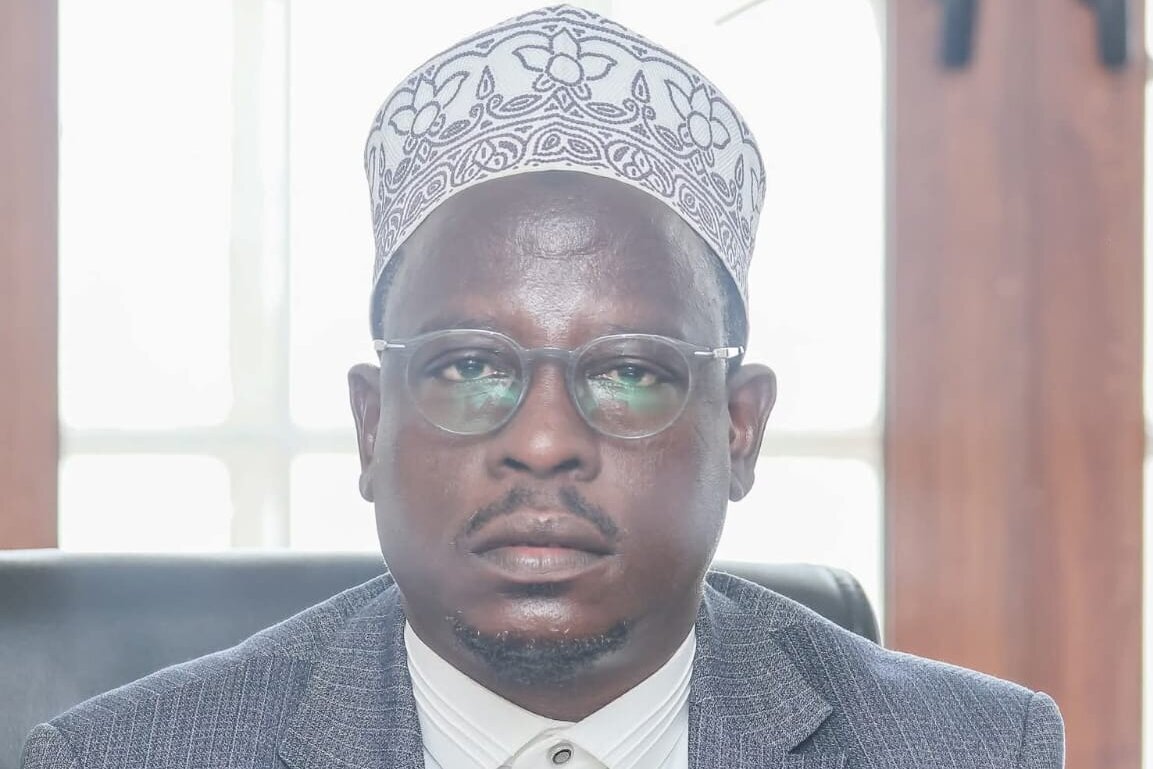
Supreme Council of Kenya Muslims (SUPKEM) Chairman Al Hajj Hassan Ole Naado. File photo
The recruitment of commissioners to the Waqf Commission has hit a fresh setback after Mr Hassan Kirua Ole Naado, chairperson of the Supreme Council of Kenya Muslims (SUPKEM), resigned from the selection panel citing prolonged delays.
In a letter dated 9 September 2025 and addressed to Attorney General Dorcas Oduor, Mr Ole Naado said the process had stalled despite several meetings with technical and support teams.
He warned that expectations from stakeholders and the wider Muslim community were high, and it was imperative to act when progress was lacking.
“The tasks at hand should not take more than six months if approached diligently and in good faith. The prolonged delay raises concerns about the commitment of those in authority to this important matter,” he wrote.
The resignation follows a series of challenges that have dogged the recruitment exercise.
In May this year, the panel had planned to advertise for applications from qualified candidates, but the notice was abruptly cancelled before potential applicants could respond.
The cancellation not only disrupted the calendar but also created uncertainty on whether the process would be concluded in good time.
Since then, the panel has not published a fresh call for applications, further fuelling doubts about its progress.
Mr Ole Naado cited lack of clear timelines, inadequate logistical support, and unresolved legal clarifications as key reasons behind the slow pace.
He said these shortcomings had paralysed the panel’s work, making it impossible to move forward with critical stages such as shortlisting, interviewing, and forwarding names to the Attorney General.
“Stakeholders cannot wait indefinitely. It is time to inject urgency into this matter,” he stressed, adding that the community’s confidence in the process was quickly eroding.
The Waqf Commission was created under the Waqf Act, 2022 to regulate and oversee Islamic charitable endowments. Its mandate includes registering, auditing, and protecting waqf assets—properties and funds dedicated for religious, educational, health, or community welfare purposes.
The law provides for a chairperson, public trustee, and eight commissioners drawn from diverse fields such as Islamic jurisprudence, law, finance, valuation, and social work. Gender balance, youth representation, and inclusion of persons with disabilities are also required in the composition.
With Mr Ole Naado’s resignation, the panel now consists of four(4) members:
- Ms Jawahir Keinan Hassan
- Sheikh Ibrahim Lethome Asmani
- Sheikh Abdala Ibrahim Ateka
- Ms Sumayya Hassan
The Attorney General is expected to invite SUPKEM to nominate a replacement so that the panel can resume its duties.
The prolonged vacancy at the Waqf Commission has left the management of key endowments without oversight, weakening accountability over properties and revenues meant for the benefit of Muslim communities.
Leaders have expressed concern that without commissioners in place, there is a risk of mismanagement and missed opportunities in supporting schools, hospitals, mosques, and social programmes financed through waqf.
The Waqf Act was enacted to strengthen transparency in handling charitable resources, but two(2) years after its passage, the Commission is yet to be operationalised.
Mr Ole Naado said he hoped his resignation would trigger urgency.
“The issues before us are not insurmountable. With goodwill and commitment, the Commission should already be up and running,” he wrote.
To advertise with us, send an email to advert@avdeltanews.world