
BWOMANGA: AUC leadership showdown: Key issues and candidates to watch
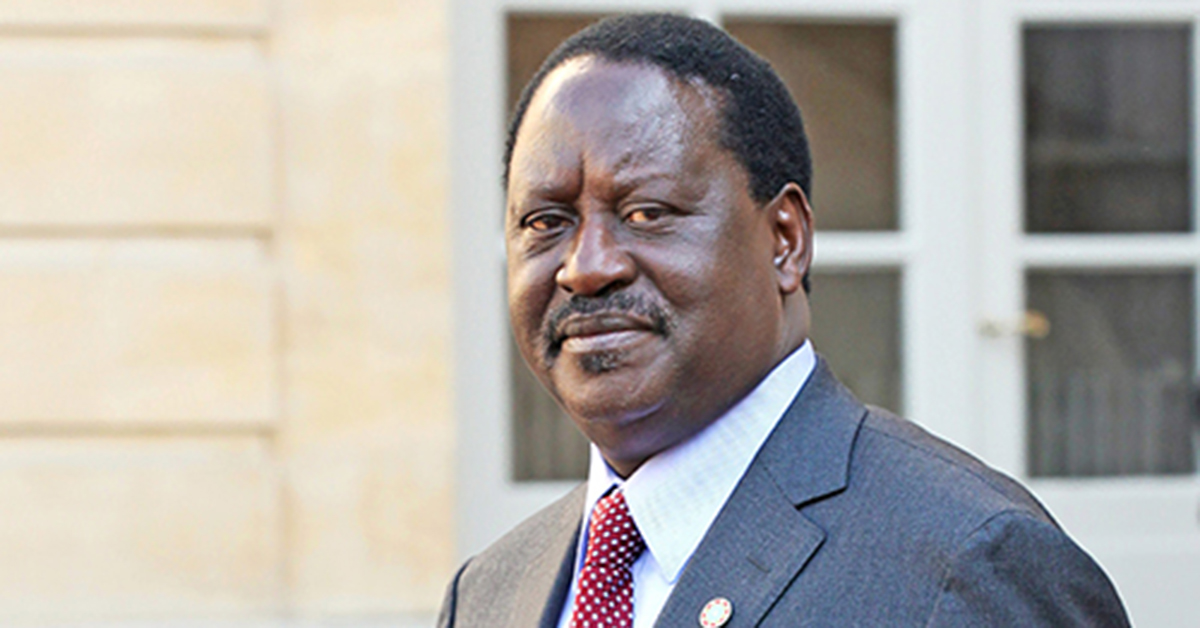
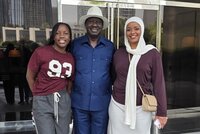
Raila Odinga. File photo
As the African Union Commission (AUC) prepares for its highly anticipated leadership debate, the focus is on the candidates vying for the chairperson position.
This event, scheduled for December 13, 2024, at the African Union Headquarters in Addis Ababa, Ethiopia, promises to be a defining moment for the continent.
Former Prime Minister Raila Odinga of Kenya, Richard Mahitsison Randriamandrato from Madagascar, and Mahamoud Ali Youssouf from Djibouti will take the stage to present their visions for Africa's future.
Each candidate brings a wealth of experience and a unique perspective on how to address the continent's challenges and opportunities.
Raila Odinga, known for his extensive political career and commitment to economic transformation, focuses on enhancing infrastructure, energy investment, internet connectivity, and an open skies policy.
He believes that Africa has all the tools needed to succeed and aims to leverage these to drive development. Odinga stated, “My heart is ready, my hands are steady and with your support, I shall get the opportunity to be of service to Africa, the cradle of mankind.”
Richard Mahitsison Randriamandrato, with a background in economic policy and finance, emphasizes stabilising and developing Madagascar's economy. His experience as a former foreign minister and minister of economy and finance positions him as a candidate focused on economic growth and stability.
He remarked, "We must avoid procrastination to prevent frustration. We need to keep moving forward."
Mahamoud Ali Youssouf, Djibouti's long-serving foreign minister, envisions silencing the guns and fostering continental development. His strategic approach aims to bridge gaps and promote peace and security across Africa.
Youssouf expressed his optimism, saying, “I am really very optimistic.”
The Mjadala Afrika Leadership Debate is more than just a platform for candidates to share their plans--it is a crucial step towards transparency and accountability in the selection process for the AUC chairperson.
By allowing candidates to publicly articulate their visions and answer questions from the public, the debate promotes a merit-based selection process and encourages greater civic engagement.
During the debate, the key issues that we will be watching more critically are economic development, climate change, political stability, health and education, security, and the cost of living.
Economic growth is essential for reducing poverty, creating jobs, and improving living standards across the continent. We will be looking at candidates' plans for infrastructure development, energy access, and industrialisation, and how they propose to leverage the African Continental Free Trade Area (AfCFTA) to boost intra-African trade and economic integration.
Wamkele Mene, Secretary-General of the AfCFTA, stated, “Since the operationalisation of the AfCFTA, 47 countries have ratified the agreement. We have seen the start of trading in earnest and goods moving across borders. And we have developed a legal construct to make our single market more effective.”
Africa is highly vulnerable to the impacts of climate change, which can exacerbate poverty and hinder development. Candidates' strategies for sustainable practices, renewable energy investments, and building climate resilience will be closely scrutinized.
African Union Commissioner for Infrastructure and Energy Amani Abou-Zeid, emphasized, “Rather than viewing the situation as a setback, we must focus on the tremendous opportunities that the climate and green economy present for the continent.”
Stable governance is crucial for long-term development and attracting investment. We will be watching for proposals to strengthen democratic institutions, resolve conflicts, and promote good governance.
Assefa Leake, an expert on African politics, noted, “The AU's effectiveness is often hampered by the reluctance of member states to transfer meaningful powers to its organs.”
Access to quality healthcare and education is essential for building human capital and improving overall well-being. Candidates' plans to expand health care services, improve educational opportunities, and enhance capacity building will be key areas of focus.
Ongoing conflicts and terrorism pose significant challenges to peace and security, which are prerequisites for development. Strategies for conflict prevention, counter-terrorism, and peacekeeping will be critical, as well as how candidates propose to support the AU's "Silencing the Guns" initiative and address conflicts in regions like Sudan and the Democratic Republic of Congo.
H.E. Moussa Faki Mahamat, Chairperson of the African Union Commission, highlighted the importance of addressing conflicts in Sudan and the Democratic Republic of Congo, stating, “These conflicts, compounded with a fragile global situation, call for more action.”
High inflation and economic challenges affect the daily lives of millions of Africans. We will be looking at economic policies to control inflation, stabilise currencies, and improve living standards.
Candidates' plans for social safety nets and job creation to mitigate the impact of economic shocks will also be important.
Mary Vilakazi, CEO-Designate of FirstRand Ltd, Africa's biggest lender by market value, emphasized, “The frictional cost of trade in Africa is about $5 billion a year. Banks must prioritise businesses that create jobs and build the infrastructure required to generate economic capital.”
As Africa stands at a crossroads, the upcoming AUC debate offers a unique opportunity for the continent to choose a leader who can navigate its complex challenges and harness its vast potential.
The candidates' visions for economic transformation, political stability, and sustainable development will shape the future direction of the African Union and the continent as a whole.
For Raila Odinga, focusing on these critical issues during the debate will be key to earning more support. His extensive experience and commitment to economic transformation, infrastructure development, and energy investment align well with the needs of the continent.
By addressing these issues effectively, he can demonstrate his capability to lead the African Union towards a more prosperous, stable, and integrated future.
By Nyangenya Bwomanga – Eminent Peace Ambassador UN