
Donor cuts threaten Africa’s health systems as governments delay domestic action

Syringe. Courtesy photo
Africa’s health care progress is under threat as foreign aid continues to decline, health experts have warned.
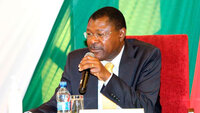
Speaking during a forum hosted by the Kenya Editors’ Guild in Nairobi, experts said the drop in Official Development Assistance (ODA) is exposing weaknesses in health systems.
They said most African countries still rely heavily on donor support to run basic health services.
“Commodities have been coming in because donors paid. But now we are facing a delivery crisis,” said Dr Willis Akhwale of the End Malaria Council.
“We need to build our own institutions and fund our own systems.”
He noted that while donor funds helped reduce diseases like HIV, malaria, and TB, governments delayed key reforms.
These include hiring more health workers, building clinics, and creating better financing systems.
Dr Githinji Gitahi, CEO of Amref Health Africa, warned that public health will collapse without domestic investment.
“If you don’t invest in public health, you’ll only have services for the rich. Private healthcare cannot replace a strong public system,” he said.
Dr Rose Oronje from the African Institute for Development Policy said about 40 percent of Kenya’s health budget still comes from donors.
She warned the country is at risk of losing key gains unless it finds local solutions.
“Global donors are shifting focus to climate, migration, and conflict. Kenya must act before it’s too late,” she said.
The forum brought together journalists, policy experts, and development partners.
They discussed how the media can report better on the effects of shrinking aid.
Rosalia Omungo, CEO of the Kenya Editors’ Guild, said journalists must move beyond official reports.
“The media must help people understand what is at stake. We must tell human stories, not just repeat what donors or ministries say,” she said.
The experts called for transparency in donor deals, deeper investigations on health funding, and stronger partnerships between the media and health actors.
The event is part of the Guild’s ongoing series to promote development journalism.