

Fertiliser scam: How cartels hijacked farmer registration exercise
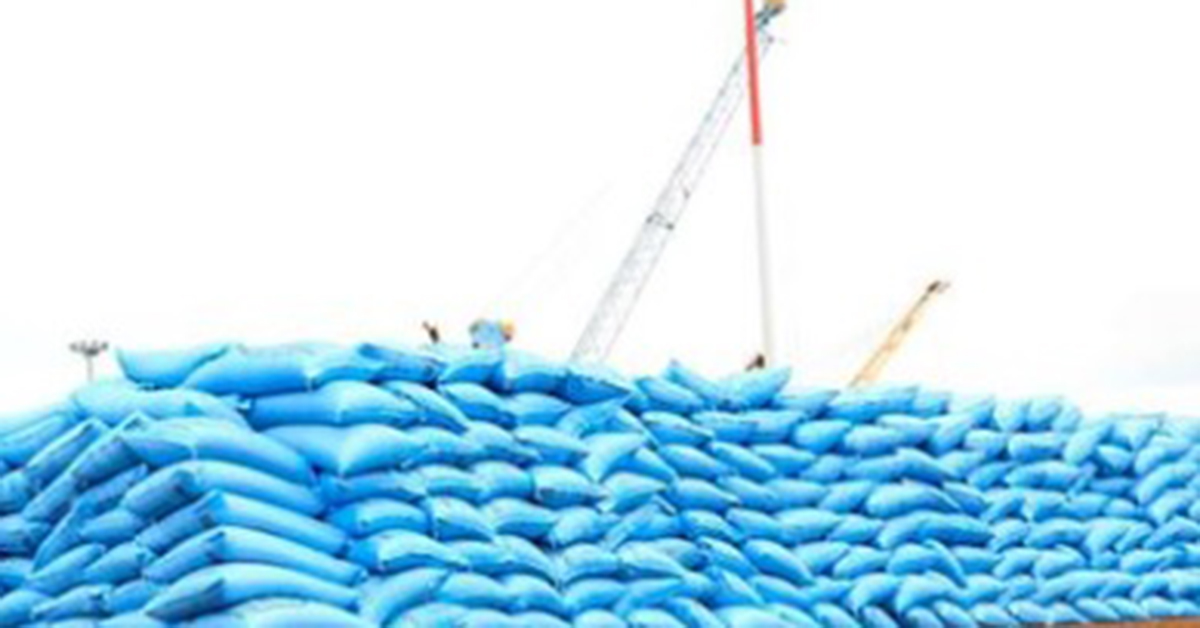
Fertiliser. File photo
It now emerges that the government's subsidised fertiliser that President William Ruto pitches as his pet agenda of realising food security has been infiltrated by brokers who commercialise it hence denying genuine farmers intended benefit.
The programme has since captured national headlines after dozens of suspects were nabbed ferrying bags of fertiliser to private enterprise.
Others are already before court and several under investigation for suspicion of supplying farmers with substandard fertiliser.
According to sector actors, the farmer registration that was rolled out in 2022 was hijacked by commercial wholesalers and retailers, who by using fake farmers to register for the benefit, took hold of the process of distributing it in the grassroots.
Some officers in the administration and County governments are reported to have facilitated registration of fake farmers who today are recipients of the fertiliser at subsidised prices but end up surrendering it to commercial entrepreneurs who proceed to sell it out to genuine farmers who were deliberately made to miss out on the registration data.
Mr Kariuki Rwagana from Kahumbu village in Murang’a County submits that “we were told to wait for registration clerks to capture our farming details and fertiliser needs but for the whole period that the exercise was advertised to last, none visited our village”.
Besides waiting for the government clerks to register them, farmers were also advised to visit the nearest County, Sub-County or ward agricultural office armed only with a national Identity Card (ID), honesty in giving out details of land acreage being a matter of trust.
“We are many farmers who were not registered and we usually get offers from brokers who on top of the government’s declared price per 50 kilo bag, add between Sh200 to Sh500 plus transport charges to deliver the bags to our homes,” Mr Rwagana says.
Mt Kenya Central and East’s chapter of Small Scale Farmers Union Secretary General Mr David Makui told AVDelta News that he personally saw some tycoons sponsor fake farmers to get registered.
“Today they get huge consignments of the product which they place in the market,” Mr Makui said.
He said that “what happened is those fake farmers being registered to own scattered parcels of land in the rice irrigation schemes and recorded their need to be ranging from 25 to the maximum 100 bags”.
He said once the government delivers the fertiliser to the National Cereals and Produce Board (NCPB) depots, the farmers get messages on their phones to collect their bags.
“That is where the sponsors give the cash to pay for the bags, provide facilitation to remove the bags and ship it to private depots where it is repackaged and placed in the market,” he said.
He said that the fake farmer gets a stipend of about Sh400 on average per bag which the government has slashed the buyout price by over 50 percent on average.
According to government prices, DAP per 50 kilo bag costs Sh3,500, NPKs at Sh3,275, MOP at Sh1,775, Urea at Sh3, 500, CAN costing Sh2, 875, local blends for planting and topdressing being Sh3,275 for both while Sulphare of Ammonia goes for Sh2,220.
A female broker in the scam told this writer that she was registered in Mwea town despite being a hawker at nearby Muthithi market “and the trader who sponsored me has a wholesale outlet in Murang’a County”.
She said that “we were told that this is government money begging to be eaten and of the 80 bags that I was assigned for declaring that I grow horticulture and rice in various parts of Kirinyaga, I earn Sh36,000 for facilitating removal of the loot from NCPB depot”.
The only security check in removing the bags is appearing in person carrying an ID card, be confirmed to be in the register, show the message that NCPB sent you confirming that your fertiliser is ready for collection, show proof of payment and it is a done deal.
The NCPB defines a farmer as “any duly registered whose details are in the register provided to us” in a clear case of garbage in, garbage out.
Murang’a Woman Rep Ms Betty Maina said the programme has posted many cases of fraud and it is the high time “those responsible for policy and audit ensured that the many cases of corruption dogging it are addressed”.
She said that the programme being key to Dr Ruto’s governance promises, must be supervised by officers who are ready to bite the bullet for the farmer and the country.
“If those at the helm of the agriculture ministry are not ready to ensure that the subsidised fertiliser reach the farmer at the appropriate time, with highest level of quality and adhering to highest level of integrity then they have no business being retained. They can be sacked and we get others to help us deliver the promise of food security and wealth creation,” Ms Maina said.