
IEBC wants to regain power to prosecute election offenders amid push for reforms

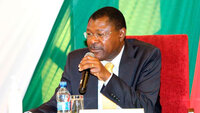
Independent Electoral and Boundaries Commission (IEBC) chairperson Erastus Edung Ethekon is received by Kenya Broadcasting Corporation (KBC) Managing Director, Agnes Kalekye. Photo/Courtesy
The Independent Electoral and Boundaries Commission (IEBC) is pressing for a major legal reform to restore its authority to prosecute electoral offences
The Commission says is vital to enforce accountability and deter malpractice in Kenya’s election processes.
The Constitution had empowered IEBC to be able to directly prosecute election-related crimes, but after legislative changes, that role was effectively handed over to the Director of Public Prosecutions (ODPP).
The commission now says this creates a critical enforcement gap.
IEBC Chairperson Erastus Edung Ethekon, in an interview with Kenya Broadcasting Corporation on Tuesday, cautioned that the current arrangement undermines deterrence.
"Without prosecutorial powers, some cases never reach conclusion, leaving room for impunity and eroding public trust in the electoral system," he said.
In its proposed legal reforms--part of a package that includes more than ten amendments--IEBC is calling for harsher penalties for electoral offences.
Mr Ethekon also wants powers to resume prosecuting those who manipulate vote processes, including possibly errant IEBC officials themselves.
“There are gaps that need to be straightened up,” the IEBC chair said.
He described the restoration of prosecutorial powers as crucial to ensuring the commission’s integrity and enhancing accountability.
The commission argues that its existing resources, if invested in investigations and prosecutions, would yield quicker and more effective remedies than relying entirely on the ODPP, which may lack the bandwidth to prioritise election cases.
IEBC has opened a dialogue with Parliament and other stakeholders, as it finalises a proposed Election Offences Amendment Bill.
Should this pass, it could significantly shift how electoral offences are handled in Kenya, giving the commission a stronger and more independent role in enforcement.