
Nairobi, Kisii, and Mombasa among worst counties in development spending

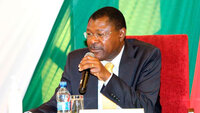
Nairobi Governor Johnson Sakaja. File photo
Several Kenyan counties are under fire for allocating embarrassingly low portions of their budgets to development projects during the current financial year.
While Kenyans continue to demand better roads, clean water, and improved hospitals, many county governments seem more focused on wages and non-essential expenditures than actual progress on the ground.
A new report on county spending for the current financial year shows that while some counties are investing in improving lives, others are stuck in a cycle of paying salaries and traveling--with very little going into actual development.
Counties With the Worst Development Spending (Top 10 Poor Performers)
Rank County % Budget Spent on Development
1 Nairobi 10.3%
2 Kisii 13.7%
3 Mombasa 16.2%
4 Kisumu 17.5%
5 Taita Taveta ~7.0% (absorbed)
6 Bungoma ~11.7% (absorbed)
7 Nyamira ~13%
8 Kirinyaga ~14%
9 Vihiga ~15%
10 Machakos ~16%
These counties either didn’t allocate enough to development, or allocated and failed to spend what they had.
Counties That Did It Right (Top 10 Best Performers)
Rank County % Budget Spent on Development
1 Marsabit 38.6%
2 Narok 34.0%
3 Mandera 32.0%
4 Homa Bay 32.0%
5 Siaya 32.0%
6 Kitui 31.0%
7 Turkana 30.5%
8 Trans Nzoia 30.2%
9 Bomet 29.8% (absorbed strongly)
10 Uasin Gishu 28.5% (absorbed strongly)
These counties allocated and also used a good share of their budgets to build or improve services that matter to ordinary people.
“Absorption” means how well counties actually spend the money they planned for.
If a county is given KES 1 billion for development, but only uses KES 100 million, its absorption rate is just 10%. That’s like doing 1 out of 10 tasks.
In Kenya, 21 counties had absorption rates below 10% in the first quarter of the financial year.
That means the money sat there — while projects stalled and people waited.
Instead of putting more into building, many counties were found spending billions on:
Travel: Sh1.25 billion in 3 months
Sitting allowances: Sh290 million
Recurrent costs (wages, maintenance): Sh337 billion+
Pending bills: Now at Sh182 billion.
Devolution gave counties the power to make local decisions, but many are choosing salaries over services.
While some counties like Narok, Marsabit, and Mandera are showing that good planning is possible, others are still lagging behind with excuses.
As the financial year ends, pressure is mounting for governors to walk the talk — and put money where people need it most.