

Safal Kiswahili Prize opens entries for 10th edition as writers compete for $5,000 award
- Created by Sande Onyango
- Education
Submissions are open to unpublished Kiswahili manuscripts in fiction, poetry, and short story categories.

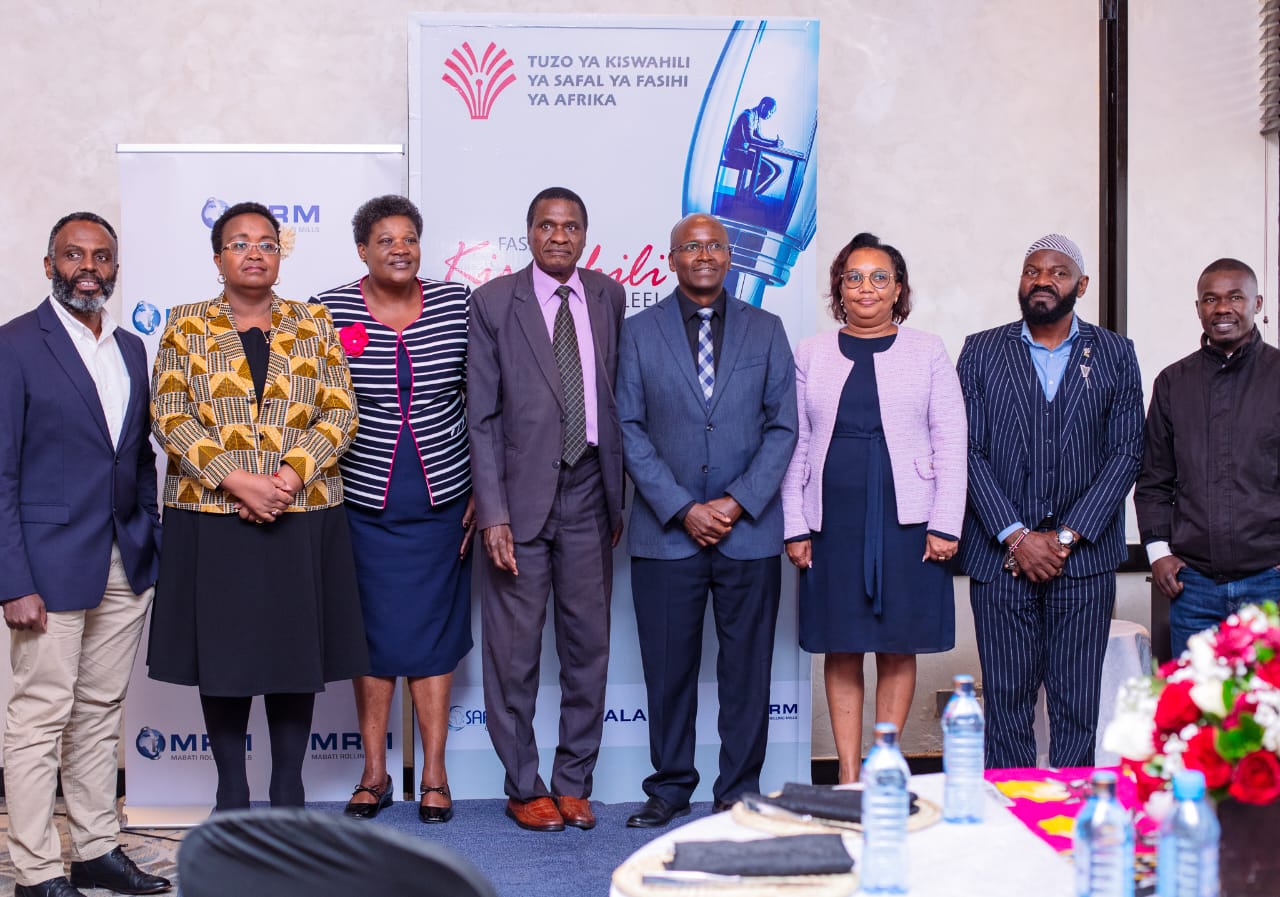
Writers across Africa can now submit their manuscripts for the 10th edition of the Safal Kiswahili Prize for African Literature, a competition that has grown into one of the continent’s most recognised platforms for Kiswahili literature.
Organisers say the milestone edition marks 10 years of promoting creative writing in Kiswahili and supporting emerging African authors.
The prize is organised by the Safal MRM Foundation in partnership with the Safal ALAF Foundation.
Submissions are open to unpublished Kiswahili manuscripts in fiction, poetry, and short story categories.
Winners in the fiction and poetry categories will receive $5,000, while runners-up will receive $2,500. The short story category will have one overall winner receiving $2,500.
Speaking during the launch, ALAF External Affairs Manager Hawa Bayumi said the competition continues to attract writers from across the continent.
“The Kiswahili Prize has been growing year after year and has drawn significant participation from different parts of the world,” she said.
Since its launch, the prize has received more than 3,000 manuscripts and recognised 29 winners, with many of the winning works published by Mkuki na Nyota Publishers.
Past winners include Tanzanian authors Mayasa Abdallah Chembea for the novel Kitanzi cha Mauti and Bashiru Abdallah for the poetry collection Bure Ghali.
Kenyan writer Edwin Omindo won the short story category with Mungu Hadanganywi na Hadithi Nyingine.
Board chair Abdilatif Abdalla said the prize continues to attract strong entries from across Africa.
“It is very gratifying to see that since the competition was launched, the number of participants from various countries has continued to grow,” he said.
The competition was founded by Lizzy Attree and Mukoma wa Ngugi to promote writing in African languages and encourage translation between them.
Organisers are encouraging universities, literary networks and reading clubs to share the call widely to help identify new Kiswahili voices.
Submissions close on March 30, 2026, with winners expected to be announced in July 2026.
More information on eligibility and submission guidelines is available at https://kiswahiliprize.org/