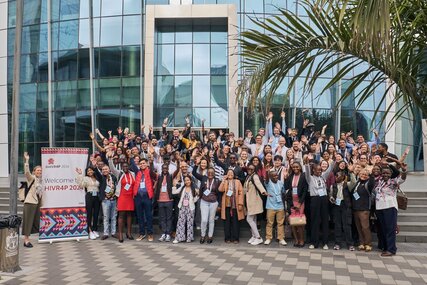

Advancing HIV Prevention: Insights from the HIVR4P Conference
- Created by Odhiambo David
- Health & Wellness
HIVR4P is a global scientific conference exclusively dedicated to the rapidly evolving field of HIV prevention research.
As the world continues to grapple with the HIV epidemic, the recent HIVR4P Conference provided a platform for innovative strategies aimed at transforming HIV prevention.
In a cross-border science café hosted by Mesha Science (www.meshascience.org), delegates from the Lima conference shared insights and lessons from the Peruvian capital.
Doreen Moraa Moracha, a passionate HIV advocate from Kenya and one of the scholarship recipients at the conference, shared her key takeaways, emphasizing the critical need for accessibility, equity, and community engagement in HIV prevention efforts.
HIVR4P is a global scientific conference exclusively dedicated to the rapidly evolving field of HIV prevention research.
Moraa highlighted significant advancements in long-acting HIV prevention options, such as Lenacapavir, which offers a promising injectable alternative to daily medications.
While these innovations have the potential to revolutionise global prevention strategies, Moraa stressed that affordability and access remain significant barriers, particularly in low- and middle-income countries.
"We must ensure that these breakthroughs are not just available to a privileged few but are accessible to all who need them," she urged.
Another key theme at the conference was the need to address inequities in the implementation of pre-exposure prophylaxis (PrEP) and post-exposure prophylaxis (PEP). Moraa pointed out that while global guidelines are important, localized input is essential to ensure these lifesaving interventions reach underserved populations.
"Greater equity in access to these services is crucial for reaching those who are most vulnerable," she said.
The role of multipurpose technologies (MPTs)
Prof Nelly Rwamba Mugo, an Associate Research Professor in the Department of Global Health at the University of Washington and the Centre for Clinical Research at the Kenya Medical Research Institute (Kemri), brought attention to the evolution of multipurpose technologies (MPTs) designed to address multiple reproductive health needs, including HIV prevention and contraception.
She emphasized that advancements in MPTs are critical because they tackle the interconnected burdens of sexually transmitted infections (STIs) and unintended pregnancies.
“The earliest MPT was the condom, a product that has faced numerous challenges related to societal perceptions and accessibility,” she noted.
Historically, many MPTs struggled with adherence issues due to design flaws and a lack of understanding of community needs. Trials for products like Tenofovir gel, while promising, highlighted the gap in user experience and the necessity for ongoing dialogue with potential users.
"It’s essential that we engage end users from the outset to ensure products truly meet their needs," Dr Mugo said.
Sexual health and pleasure
Moraa also emphasized the importance of incorporating pleasure into sexual health discussions.
She noted that less than 1pc of studies presented at major HIV conferences address the concept of pleasure in sexual health, urging a shift from a narrative focused solely on risk and harm to one that embraces sexual pleasure as a tool for promoting prevention.
The launch of the People’s Research Agenda, which centres community voices in HIV research, was another significant highlight.
"We need to put communities at the forefront of HIV research to ensure that advancements are relevant and impactful," Moraa stated.
As a speaker at a satellite session titled ‘The Brightest Under 30’, Moraa focused on amplifying the voices of young people in HIV prevention research, underscoring the need for meaningful youth engagement.
"It is vital to involve young people in the conversation, as they are both affected by and pivotal in addressing the epidemic," she said.
Call to action
In light of these discussions, Moraa calls on policymakers, researchers, and advocates to prioritise equity in HIV prevention efforts.
"We need collaborative strategies that address the diverse needs of different communities globally," she said.
Prof Mugo's call for more user-centric development of MPTs adds to this urgency, stressing that engaging communities from the start is essential to ensure the success of these products.
“Now is the time for action. Let us advocate for broader access to HIV prevention tools, support community-driven research, and integrate discussions of pleasure into sexual health education. Together, we can work towards a world where no one is left behind in the fight against HIV.”