

How stigma hinders support for autistic people in coastal Kenya
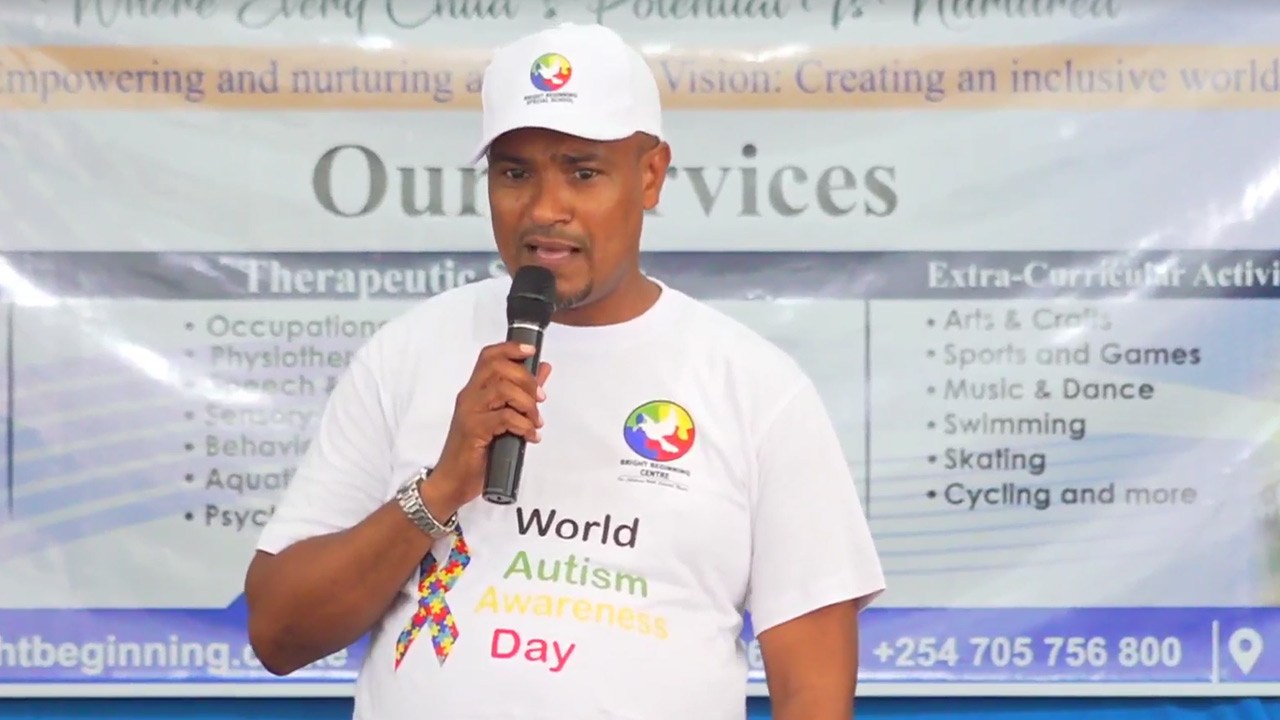
Autism awareness has gained momentum in recent times, but stigma and structural gaps continue to fuel rising autism spectrum disorder (ASD) cases in Kenya.
The recent World Autism Awareness Day 2026 was marked on April 2, 2026.
Despite international human rights conventions, autistic people still face discrimination, social exclusion, and misconceptions.
Autism is a neurodevelopmental condition that affects how a person communicates, interacts, and experiences the world. Related disorders include attention deficit hyperactivity disorder (ADHD), intellectual disability, and other developmental differences that impact learning and behaviour.
In the Coastal Kenya, Kilifi County, families raising children with these conditions face more than caregiving challenges, they confront stigma and isolation.
Parents are often blamed for their child’s behaviour, while children may be bullied or excluded from school and community activities.
Misconceptions, such as beliefs that autism is caused by poor parenting or curses, deepen the social barriers families face.
To address these challenges, the KEMRI-Wellcome Trust Research Programme in Kilifi is implementing two collaborative initiatives; the NeuroDev and SPARK projects.
Through research, caregiver support programmes, and community engagement, the projects aim to improve understanding of neurodevelopmental conditions and provide practical support to families.
The NeuroDev project investigates the genetic and clinical characteristics of neurodevelopmental conditions. Researchers conduct detailed assessments of children, then provide feedback to caregivers, helping them understand their child’s developmental profile.
The SPARK project complements this by testing caregiver support strategies. Families participate in programmes that teach practical skills to improve communication, social interaction, and learning through daily activities. The initiative focuses on empowering caregivers to apply these strategies at home, reducing reliance on specialised services that may be limited in low-resource settings.
Speaking during a media briefing, developmental psychologist working with the NeuroDev study, Mrs Patricia Kipkemoi, said understanding a child’s condition is crucial for families.
“When families learn their child’s developmental profile, they often feel relief and are better able to advocate for them,” she said. “But stigma remains a major barrier.”
Carophine Nasambu, a project coordinator for SPARK project, added that caregivers often hesitate to seek support because of judgment from neighbours or relatives.
“Many families feel ashamed or afraid to let others know about their child’s condition,” she said.
“This makes it harder to access services and support networks.”
The research team has observed that stigma can directly affect children’s social participation and learning. Children with autism or ADHD may be excluded from school activities or face bullying from peers, while parents may avoid sharing their child’s diagnosis for fear of social ostracism.
Community engagement forms a key part of the projects’ work. By partnering with local leaders, community health promoters, and schools, NeuroDev and SPARK create safe spaces for families to discuss neurodevelopmental conditions openly. Caregivers are trained to challenge misconceptions and advocate for inclusion.
“Engaging the community helps families feel supported and reduces the isolation that stigma often brings,” Nasambu said. “It also educates neighbours, teachers, and peers, which benefits the children directly.”
The projects also strengthen local capacity. Community health workers, clinicians, and research teams receive training in developmental screening, behavioural assessment, and caregiver support. This ensures knowledge about neurodevelopmental conditions remains in the local health system, supporting early identification and intervention even beyond the research period.
Through the combined approach of research, practical support, and community engagement, the NeuroDev and SPARK projects aim to ensure children with neurodevelopmental differences receive the understanding and support they need to thrive.
For families in Kilifi, this represents more than academic research, it is a pathway toward reducing stigma, improving access to care, and helping every child reach their full potential.