

Shakahola case explained: From Malindi to Mombasa and Justice Kavedza’s role
- Created by Juma Namlola
- Top News
High Court takes charge of coast tragedy.
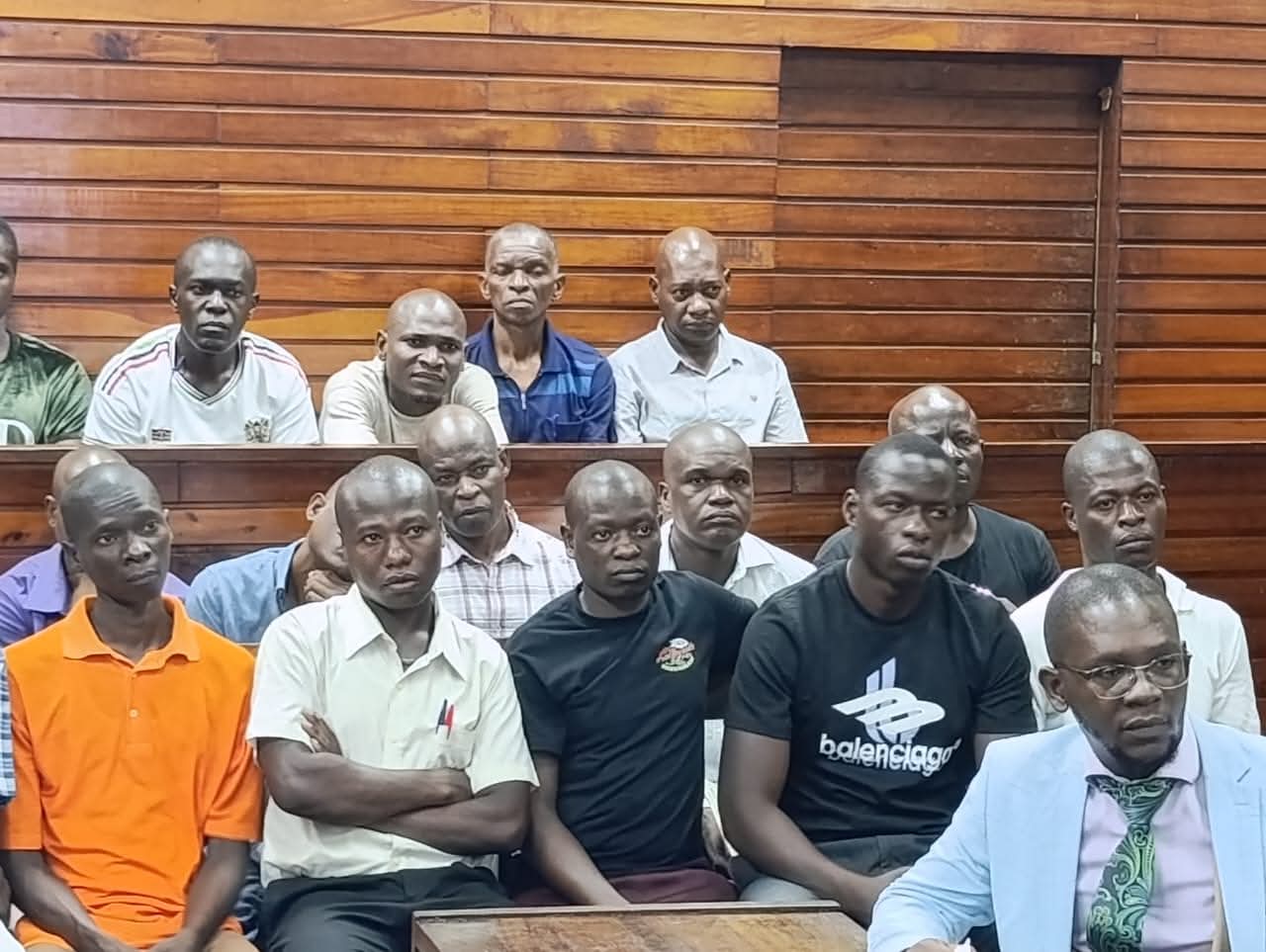
In 2023, investigators uncovered mass graves in Shakahola Forest, Kilifi County.
Many victims were children. Police said followers of the Good News International Church died after being told to starve themselves for “spiritual cleansing.”
The number of deaths--reportedly in the hundreds--made this one of Kenya’s largest and most complex criminal prosecutions.
Malindi Law Courts: First appearances near the forest
Because the tragedy happened close to Malindi, suspects including church leader Paul Nthenge Mackenzie first appeared at Malindi Law Courts.
Charges filed here included:
- Murder
- Conspiracy to commit murder
- Assisting or aiding deaths through coercion
- Radicalisation and incitement to harm
Witnesses included police officers, family members identifying missing children, and some community leaders. Magistrates focused on remands, bail, and initial procedural matters.
Shanzu Law Courts: Serious criminal proceedings
Shanzu Law Courts are located close to Shimo la Tewa Prison in Mombasa. The courtroom was built--with support from entities like the UNODC--to allow high‑risk criminal cases to be heard without moving suspects long distances. This is especially important for security, logistics, and cost reasons.
After Malindi, cases moved to Shanzu Law Courts for more detailed hearings.
Charges heard included:
- Murder
- Manslaughter
- Terrorism-related offences
- Deprivation of fundamental rights, especially for children
Witnesses included:
- Police investigators
- Forensic experts
- Relatives of victims
Shanzu magistrates admitted evidence, set trial schedules, and ensured suspects stayed in custody.
Tononoka Children’s Court: Protecting child victims
Because many victims were minors, separate child abuse and neglect cases were handled in Tononoka Children’s Court (Mombasa).
Charges included:
- Abuse and neglect of children
- Starvation and denial of education
- Endangering the welfare of minors
The court under Principal Magistrate Nelly Chepchirchir focused on safeguarding children and recording abuses for the broader criminal case.
Chief Magistrate Court (Mombasa): Intermediate charges
Some suspects faced manslaughter, cruelty, and related offences here.
Witnesses included:
- Family members
- Community members
- Survivors providing testimony about church practices
Chief Magistrate Alex Ithuku heard testimony including that of Enos Amanya Ngala (“Haleluya”), a self-confessed suspect, about the burials and activities in the forest.
Mombasa High Court: Murder trials
The most serious charges--murder involving dozens of victims--are heard in Mombasa High Court under Justice Diana Kavedza - Mochache (normally at Kibera High Court in Nairobi).
Charges in the ongoing case include:
- Multiple counts of murder
- Conspiracy to commit murder
- Deprivation of life under coercion
Witnesses so far have included survivors of the cult’s directives
- Police investigators
- Forensic specialists
- Relatives of victims
Even though she normally serves at Kibera High Court in Nairobi, she was assigned to Mombasa because:
- Trials are complex, high-profile, and involve many suspects
- Evidence is voluminous--forensic reports, witness statements, and mobile data
- Continuity matters--one judge managing the core murder charges ensures consistency.
Justice Mochache’s involvement guarantees that the most serious murder trials are handled with experience, fairness, and focus, giving victims and families the justice they deserve.