

Limuru Tea records 14pc revenue drop, KTDA holds national elections
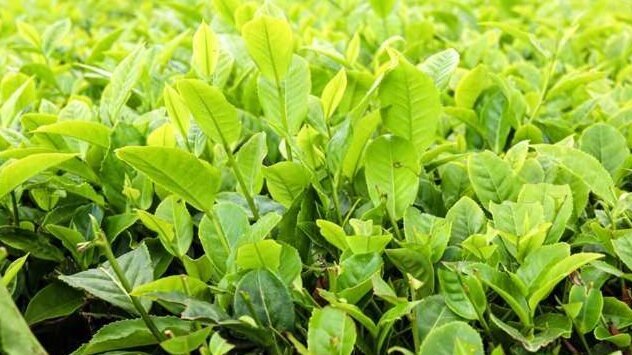
Tea leaves. File photo
Limuru Tea has reported a 14 percent drop in revenues for the first half of 2024, recording Sh52.8 million (US$409,380), down from Sh61.6 million (US$477,610) in the same period of 2023.
This decline has led to a substantial pre-tax loss of Sh19.6 million (US$151,966), a sharp rise from the Sh2.4 million (US$18,608) pre-tax loss reported in 2023.
The company's struggles are mainly attributed to adverse market conditions, which caused a significant reduction in turnover.
Although Limuru Tea managed to increase its production volume by 26 percent during the first half of 2024—processing 1,929 tons of Green Leaf into 414 tonnes of Black Tea—declining tea prices in both local and international markets have offset the gains.
The increase in production was largely due to favourable weather, including high rainfall from January to March and the El Niño phenomenon in April and May.
Despite this boost in production, Limuru Tea faced inflationary pressures on key material costs, which further strained its operations. To counter these challenges, the company implemented several cost-efficiency programs aimed at reducing expenses and improving operational sustainability.
Limuru Tea's situation comes amid significant changes in the broader tea industry. Recently, the Competition Authority of Kenya (CAK) approved the acquisition of 98.56 percent of Lipton Teas and Infusions by UAE’s B Commodities, an affiliate of Sri Lanka-based Browns Investment Plc. The acquisition includes a 51.99 percent minority stake in Limuru Tea Plc and full ownership of Lipton Teas and Infusions Rwanda Limited.
As part of the deal, B Commodities has committed to retaining all 405 employees at Limuru Tea, alongside 9,715 employees at Lipton Teas. Additionally, CAK granted the company an exemption from acquiring the remaining shares of Limuru Tea, avoiding a mandatory takeover as outlined under Capital Markets Authority (CMA) regulations.
Despite the ownership shift, Limuru Tea remains a crucial player in Kenya’s tea sector, which is navigating complex market conditions.
While Limuru Tea seeks stability, the broader industry continues to evolve. The Kenya Tea Development Agency (KTDA) has reappointed Enos Njiru Njeru as its national chairman for a three-year term.
First appointed in July 2023, Njeru, representing the Embu Tea Zone, will work alongside Vice-chairman Eric Chepkwony, a representative of the Bomet Tea Zone. Their election was overseen by Agriculture and Livestock Development Cabinet Secretary Andrew Karanja and Tea Board of Kenya Chairman Jacob Kahiu.
Mr Njeru emphasised that the board’s primary focus would be on implementing the Tea Act to create a strong legal framework that supports operations and safeguards stakeholder interests.
He noted that the act would enable KTDA to expand its market reach and foster a robust tea consumption culture within the country.
“By expanding our market reach, we will reduce the volumes of unsold teas, thereby improving the financial health of KTDA and its affiliated factories,” Mr Njeru stated.
The board's strategy revolves around promoting tea consumption, improving tea quality, diversifying products, and establishing a common user facility while broadening tea markets.
In alignment with this vision, KTDA Management Services (KTDA MS) has imported 97,000 metric tonnes of NPK 26:5:5 fertiliser from Russia for the 2024/2025 season, reflecting an increase from the previous year's 88,000 tonnes. This surge corresponds to the growth in smallholder tea acreage and a growing preference for KTDA's procurement services. The fertiliser will be distributed to farmers via their respective factories.
Managing Director of KTDA MS, Collins Bett, mentioned that the cost of fertiliser would be influenced by multiple factors, including natural gas prices, exchange rates, and transportation costs.