

Women from Meru's low neighbourhood embrace bottom-up model after MSEA enterprise training
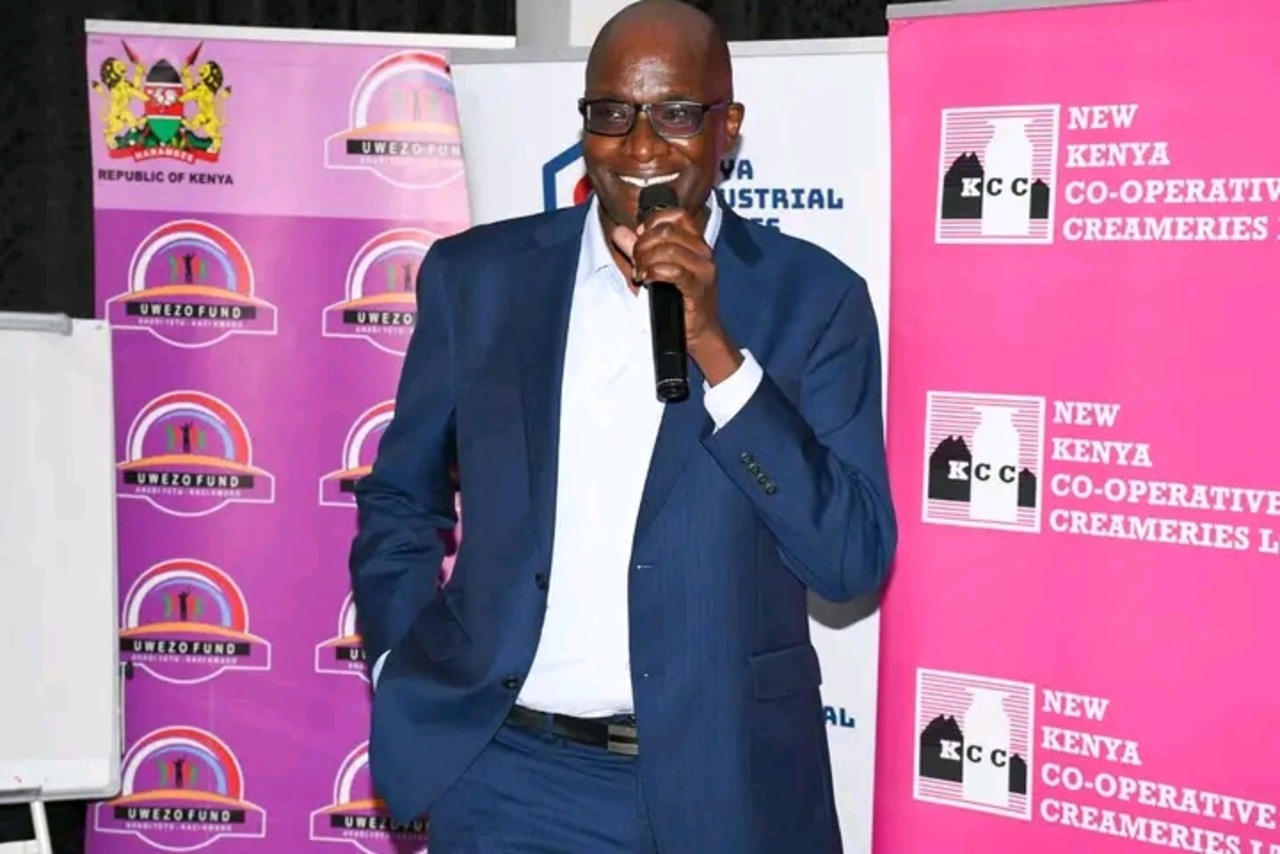
Women from Meru’s Mjini informal settlement have hailed the government’s Bottom-Up Economic Transformation Agenda after undergoing enterprise training aimed at linking them to funding and productive equipment through Micro and Small Enterprises Authority.
The women, organised in more than 30 table-banking groups, said they are preparing to benefit from equipment including sewing machines, welding machines, chicken incubators and car wash machines following sensitisation and skills development led by MSEA CEO Mwenda Rithaa.
Speaking during the training forum in Mjini slum, Evangeline Naitore said the programme is equipping women with knowledge on how to apply for MSEA funds, formally register groups and invest in sustainable enterprises.
“We are here for sensitisation, training and a common goal on how women can apply and get MSEA funds to start and boost their businesses,” said Naitore.
She said women had also been trained on investment planning after formal registration of groups, adding that Meru has more than 5,000 organised groups expected to benefit from the initiative.
According to Naitore, the groups plan to channel the support into productive ventures through acquisition of chick incubators, welding machines, sewing machines and car wash equipment, with part of the programme also targeting youth enterprises.
“This is the start of becoming rich as women here and in Meru at large. We will commit to champion and educate fellow women on the same in all sub-counties,” she said.
Some beneficiaries said the intervention would help many women abandon unstable livelihoods and erase the stigma that has long associated some residents with illicit brew trade.
“We are tired of being insulted and shamed that we are women who sell illicit brew. We will no longer be told we are useless,” said one beneficiary.
Naitore praised Rithaa for taking MSEA services closer to grassroots communities, saying the authority had opened opportunities previously unavailable to women in remote areas.
“We have lived for 70 years without such help. The heaven has opened because of the projects undertaken by his sector,” she said.
The women described the programme as a practical reflection of William Ruto’s bottom-up economic empowerment model, saying it directly addresses the needs of low-income communities by linking them to capital, training and productive assets.
They also dismissed criticism from opposition leaders that the government has not delivered development, arguing that the enterprise support programme is already creating visible economic change in informal settlements.