

2026/27 Kenya budget debate: How much counties, ministries and Kenyans will get
- Created by Juma Namlola
- Top News
Parliament is set to approve the Budget Policy Statement this afternoon — here’s what the KSh 4.7 trillion plan means for you
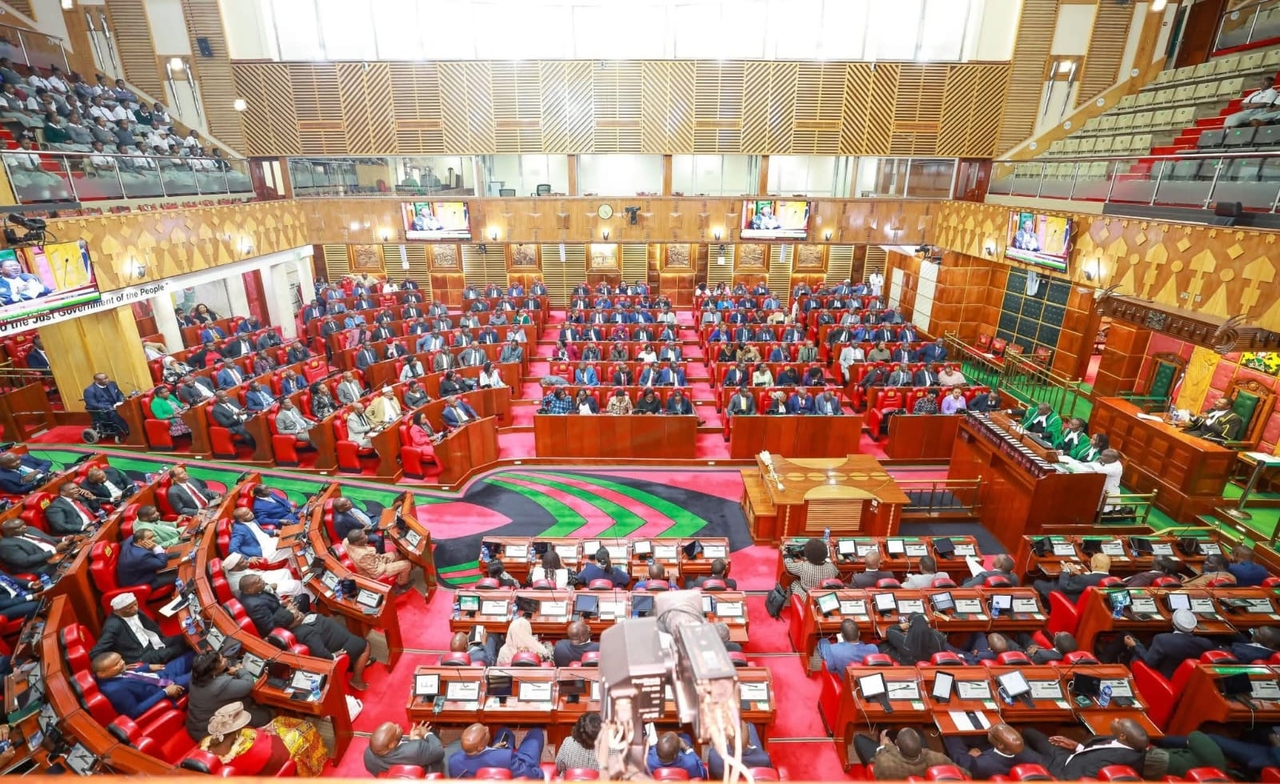
Parliament is set to debate the 2026/27 Budget Policy Statement (BPS) Thursday afternoon (March 5, 2026). The BPS is the government’s blueprint for spending next year, and lawmakers will decide how public funds are divided across ministries, counties, and development programmes.
What is being debated today?
The BPS outlines the spending framework for the national government, setting limits for each ministry and department. MPs will vote to approve:
- The national government budget ceiling — KSh 2.88 trillion
- County allocations — including KSh 420 billion as the equitable share and KSh 75.7 billion as additional funding
- Other public initiatives — KSh 4 billion for citizen engagement and consultations
Think of KSh 2.88 trillion as the core plan, and the wider KSh 4.7 trillion as the full government budget including counties and special funds.
Here are some of questions you may have on the 2026 budget, answered clearly:
1. Is KSh 2.88 trillion the total government budget?
No. That’s the national government spending plan. Including county allocations and other funds, the total government budget is ~KSh 4.7 trillion.
2. How much will counties get?
Equitable share:
KSh 420 billion
Additional allocations: KSh 75.7 billion
This money supports local health, roads, water, and other services.
3. Will taxes increase?
Not directly. The plan assumes better revenue collection by KRA, which may affect total government income.
4. What is the deficit?
The government plans a deficit of 5.3% of GDP, balancing spending with responsible borrowing.
5. What is the Equalization Fund?
KSh 9.6 billion set aside to support underdeveloped counties and reduce regional inequalities.
6. Why is public participation funding included?
KSh 4 billion allows citizens to engage in budget planning, ensuring transparency and accountability.
Behind the numbers
- The BPS also sets the general spending direction for ministries, counties, and social programmes:
- Education, health, security, and infrastructure remain key priorities
- Minimal adjustments in spending are expected based on ongoing tax reforms and improved revenue collection
- MPs will consider both financial ceilings and non-financial policy recommendations
What happens next?
1 Parliament approves the BPS this afternoon
2 The National Treasury prepares detailed budget estimates
3 Citizens can participate in consultations
4 The final 2026/27 budget will be debated and passed later around June this year
How it affects everyday life
From hiring teachers to building roads, the BPS guides where your money goes. While it doesn’t spell out every detail, it shapes funding for schools, hospitals, local projects, and other public services.
To advertise with us, send an email to advert@avdeltanews.world