

Evans Kidero, five ex-Nairobi officials acquitted in Sh213 million graft case
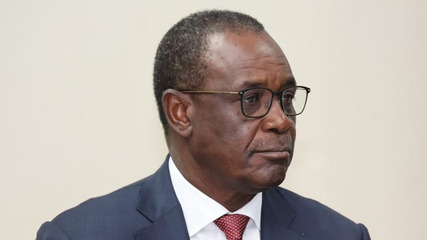
Former Nairobi Governor Dr Evans Kidero and five senior former county officials have been acquitted after the Milimani Anti-Corruption Court found there was no case to answer on a set of corruption charges linked to alleged irregular payments totalling about Sh213 million.
Chief Magistrate Dr Victor Wakumile, delivering the ruling, said the prosecution had failed to establish a case against Dr Kidero and his co-accused.
They are Ms Lilian Wanjiru Ndegwa, Mr Jimmy Mutuku Kiamba, Mr Gregory Mwakanongo, Mr Luke Mugo Gatimu and Mr Maurice Ochieng Okere.
At the same sitting the court ruled that some of those charged should be put on their defence.
“I find that counts 18 to 31 and 32 to 35 — accused persons placed on their defence,” the magistrate said in court.
Among them was Mr Stephen Ogago Osiro, the former head of the Nairobi County Treasury (Accounting).
He faces charges that he received about Sh7 million from Lodwar Wholesalers Limited--Sh4 million in one transaction and Sh3.5 million in another--sums the prosecution says were proceeds of corrupt conduct.
The court also placed on defence John Githua Njogu, Ms Grace Njeri Githua, Ngurumani Traders Limited and Lodwar Wholesalers Limited on counts that include fraudulent acquisition of public property and failure to pay taxes.
The roots of the case date back to August 2018, when the Ethics and Anti-Corruption Commission (EACC) arrested Dr Kidero and several others.
They were arraigned on allegations of conspiracy to commit corruption and related economic crimes arising from payments during his tenure (2013–2017).
The initial charge sheet alleged, among other things, that payments worth Sh213,327,300 were made for goods or services not rendered between January 16, 2014 and January 25, 2016.
Over the years the prosecution called dozens of witnesses to build its case.
Evidence heard in court included testimony from City Hall’s head of internal audit, Mr Edward Gichana, who told magistrates that records showed supplies such as quarry chips, football uniforms and hand sanitisers had been delivered by firms implicated in the charge sheet--a response to the prosecution’s assertion that the companies did not supply goods.
Other witnesses included bank officials and account custodians who explained the flow of funds in the Nairobi City County accounts for the period in question.
Bank testimony proved central and contested. At earlier hearings a Co-operative Bank official explained that many of the transactions in the City Hall account were recorded as regular payments.
That some entries were described as payments for sugar or other supplies--testimony the defence used to challenge suggestions of diversion or concealment.
Separately, legal skirmishes over whether bank statements and records could be produced by investigating officers or required bank officials to testify have featured prominently in pre-trial litigation.
The High Court has at times upheld the prosecution’s stance that properly procured bankers’ books are admissible without always requiring a bank employee in court, a point that shaped evidentiary disputes in the case.
The case has had other twists. In April 2019 and in subsequent years fresh and related charges were filed in connection with other alleged irregular payments, and Dr Kidero has pursued separate legal challenges--including tax disputes and appeals--while defending the criminal allegations.
The prosecution at various points said it had lined up dozens of witnesses to prove the alleged losses, and the matter has been moved between magistrates as the record of testimony grew.
After Thursday’s ruling some defendants were freed while others--including Mr Osiro and the listed companies--must now answer the charges set before them.
To advertise with us, send an email to advert@avdeltanews.world