

Martha Karua’s emotional letter to her younger self reveals untold struggles
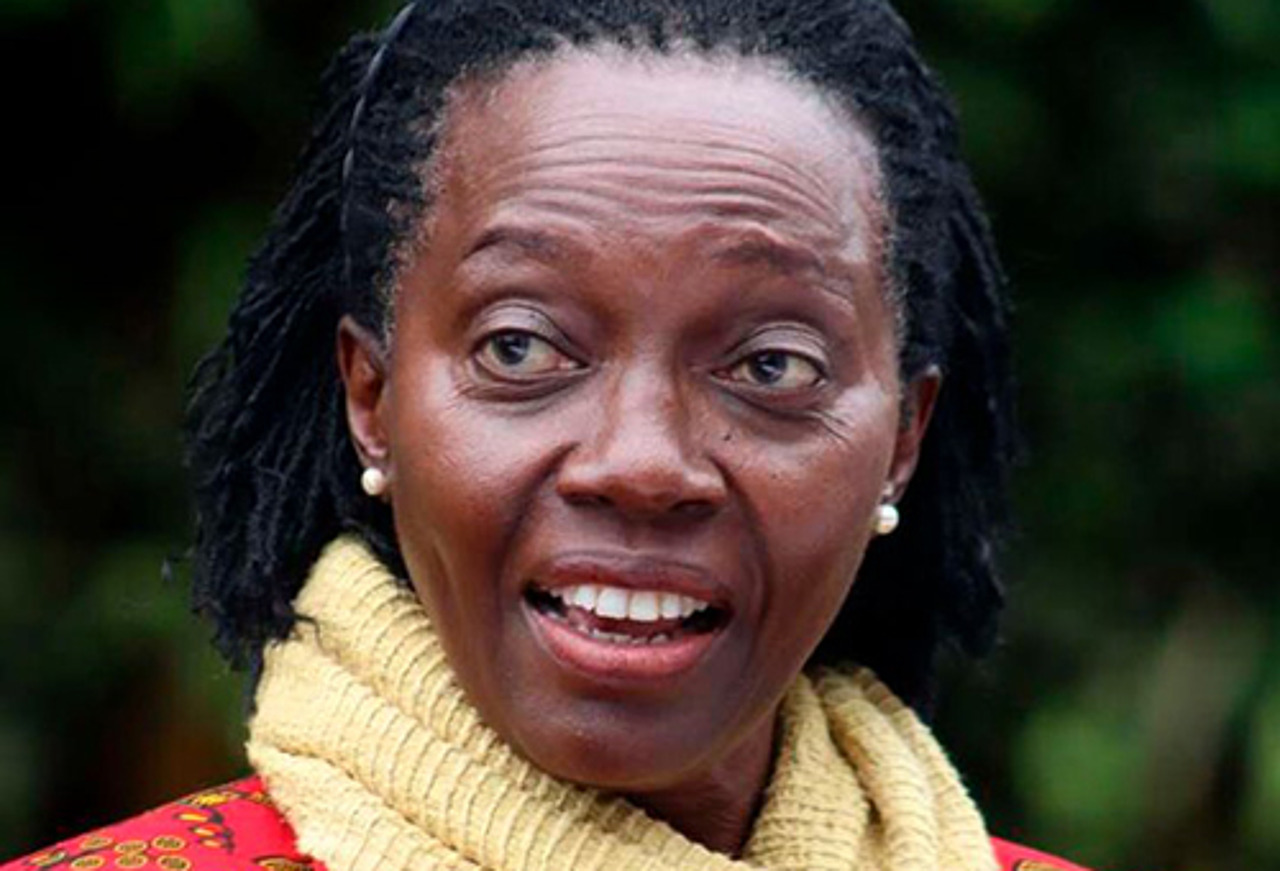
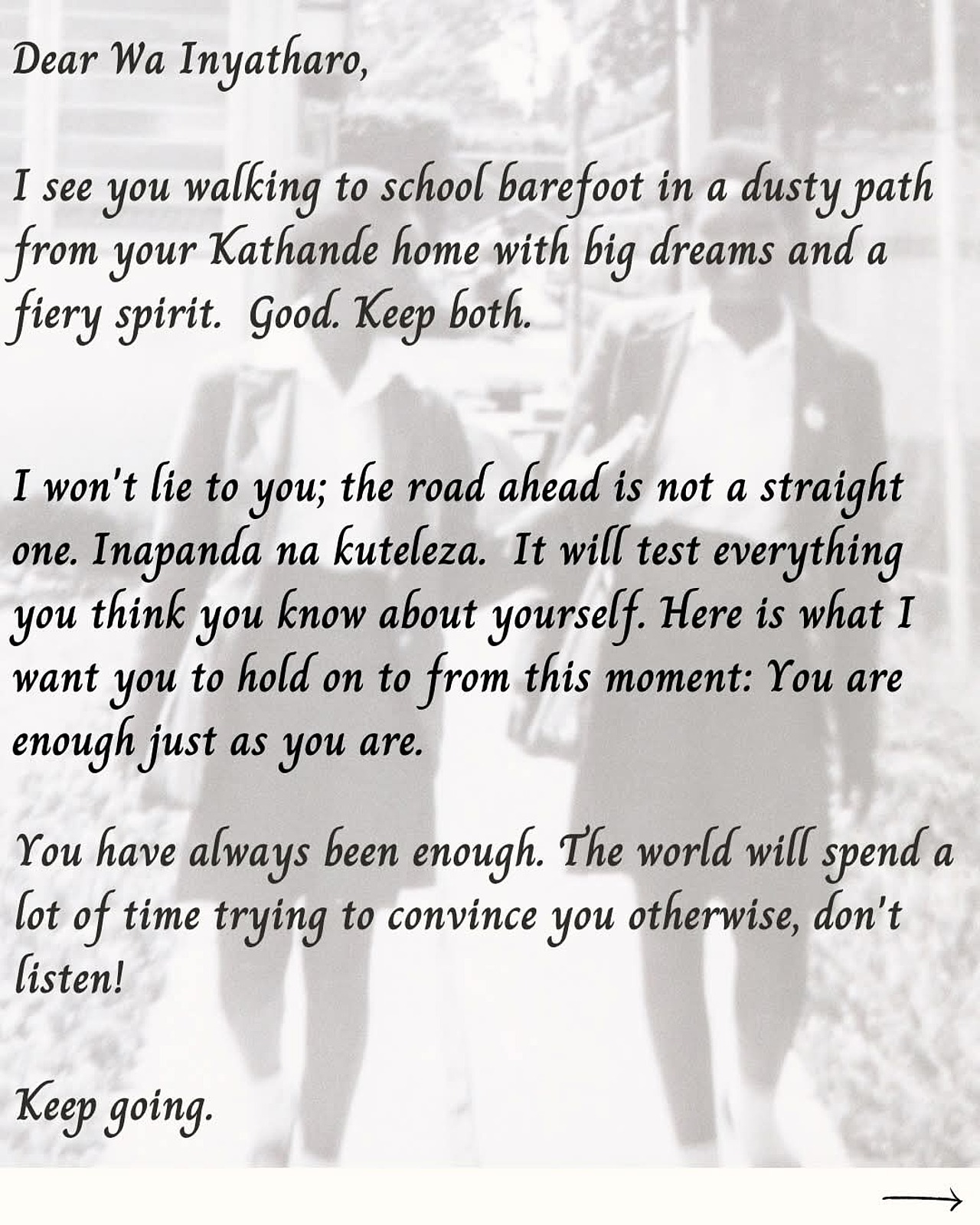
On International Women’s Day, veteran Kenyan politician Martha Karua shared a deeply personal letter, written not to the public, but to her younger self.
In the letter, the People’s Liberation Party leader goes back to the dusty red roads of Gichugu, where she grew up as a barefoot schoolgirl with big dreams and little certainty about what lay ahead.
“I see you walking to school barefoot on a dusty path from your Kathande home with big dreams and a fiery spirit,” she wrote.
The letter reads like a conversation across time--from a seasoned political figure to a young girl still discovering the world.
And in doing so, Ms Karua quietly reveals the long, difficult journey behind one of Kenya’s most recognisable political careers.
From barefoot girl to courtrooms
Before the courtrooms and Parliament, Ms Karua was simply “Wa Inyatharo,” the girl she addresses in the letter.
Born in Kirinyaga County in 1957, she grew up in rural Kenya and later studied law at the University of Nairobi.
After graduating, she first served in the judiciary as a magistrate--an early step into the legal system that would define much of her public life.
But it wasn’t long before she moved into private practice and eventually politics, where her reputation for blunt honesty and fierce independence would take shape.
In the letter, she tells her younger self the road ahead will not be smooth.
“I won't lie to you; the road ahead is not a straight one. Inapanda na kuteleza (It climbs and it is slippery),” she writes — a Swahili phrase describing a path that climbs and is slippery or slips.
A woman in a perceived man’s arena
Ms Karua also reflects on the scrutiny she faced as a woman in leadership.
She recalls the kinds of questions she was repeatedly asked--questions rarely directed at male politicians.
“Who takes care of your home? Are you married? Madam, how do you balance being a mother and a politician? Can a woman really lead at that level?”
Then she adds a pointed observation: “I have never once heard that question asked to a man with multiple wives and ten children. Not once.”
The passage highlights the gender barriers that defined much of her career in Kenya’s male-dominated political arena.
A career defined by principle
Ms Karua’s political career spans decades.
She first entered Parliament in 1992 as the MP for Gichugu Constituency, becoming one of the most prominent reform voices during the transition from single-party rule.
Her reputation for political principle became most visible in 2009.
That year, she resigned from her post as Minister for Water and Irrigation in the government of Mwai Kibaki, citing frustration with corruption and lack of political will to fight it.
In the letter, she refers to such decisions simply as moments when “your conscience demands it.”
“You will make bold decisions in life,” she writes.
“Walk out on a president, resign from a ministerial position when your conscience demands it.”
The Presidential dream
Ms Karua also hints at another moment in her political journey--her presidential bid.
“You will dare publicly and unapologetically,” she writes, “even daring to run for President one day.”
She first ran for president in 2013.
Nearly a decade later, she returned to the national stage as the running mate to Raila Odinga in Kenya’s fiercely contested 2022 Kenyan general election.
Although the ticket lost, Ms Karua’s profile as a national political figure remained firmly intact.
In the letter, she frames such setbacks differently.
“You will run for the presidency unsuccessfully, but you will not lose hope,” she writes.
“You will see it as unfinished business.”
Leadership, Grace and Bridges
One of the most striking parts of the letter is the advice Ms Karua gives her younger self about leadership.
“Do not burn bridges,” she writes — a life rule she says became part of her political signature.
“Not every disagreement needs a winner; grace can open doors that force never could.”
She describes leadership not as power or speeches, but as something deeply human.
“It’s listening to stories. It involves holding people’s fears with care and choosing hope even on days you are on the cliff’s edge.”
A mother and a politician
The letter also opens a window into her personal life — something Ms Karua rarely discusses publicly.
She speaks about marriage bringing both joy and pain, and about the arrival of her children becoming “the greatest thing that ever happened.”
Balancing motherhood and politics, she admits, often felt overwhelming.
“Some days you will feel overwhelmed,” she writes.
But she reminds her younger self that she is building something new.
“You are doing it without a map.”
“Asante”
The letter ends with a moment of reflection.
One day, she tells the younger girl walking barefoot to school, you will look back and whisper a simple word.
“Asante,” she writes.
Thank you.
Thank you for starting something beautiful.
And to every woman still on her own red soil road, Ms Karua adds one final message: “Keep going. The future is waiting.”
To advertise with us, send an email to advert@avdeltanews.world