

Iran gets new Supreme Leader: Here is what you need to know
- Created by Juma Namlola
- Top News
Mojtaba, a cleric who holds significant sway within Iran's security apparatus and controls extensive business interests linked to his late father, had been widely regarded as a leading candidate.
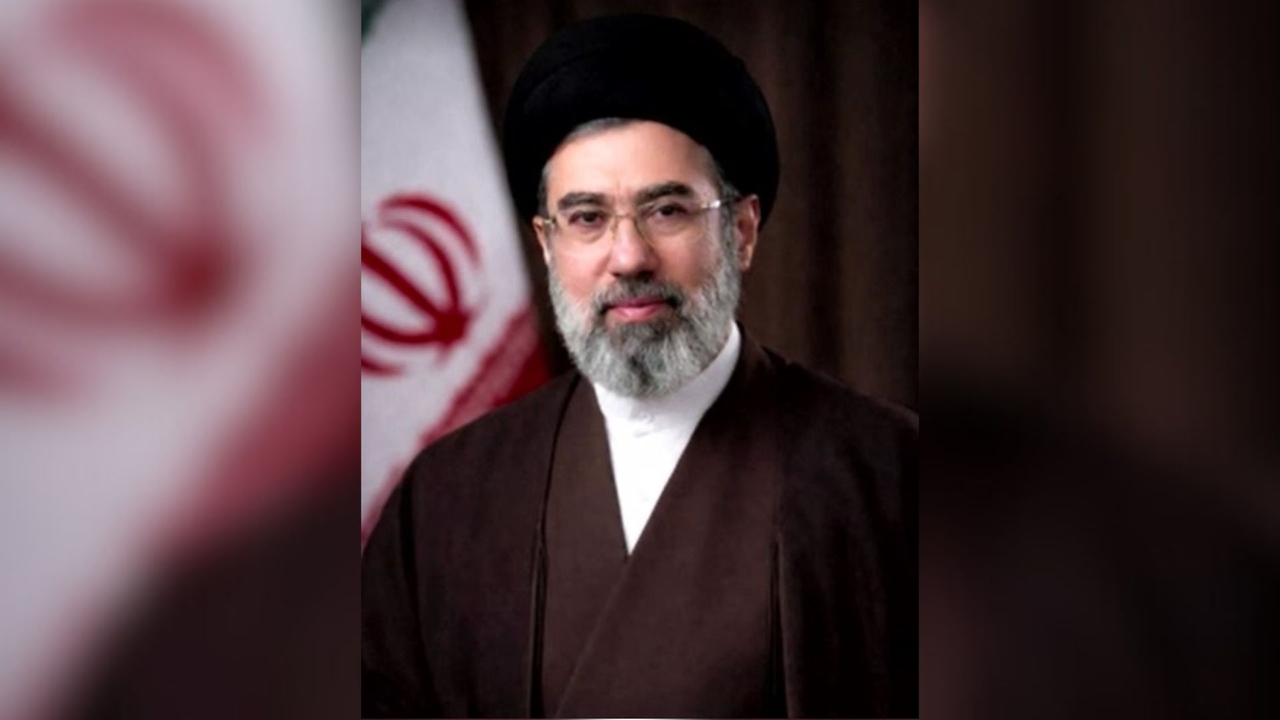
The US-Israel war on Iran entered its 10th day on Monday, with Tehran having new Supreme Leader after Ali Khamenei, was killed during one of the initial military strikes directed against Iran on February 28, 2026.
The Assembly of Experts, an 88-member body of clerics responsible for selecting Iran's supreme leader, voted decisively on Sunday to appoint Ayatollah Seyyed Mojtaba Hosseini Khamenei, the second son of martyred leader, as the third supreme leader of the Islamic Republic of Iran.
The announcement was made in an official statement released shortly after midnight Tehran time.
Mojtaba, a cleric who holds significant sway within Iran's security apparatus and controls extensive business interests linked to his late father, had been widely regarded as a leading candidate ahead of the vote.
As supreme leader, Mojtaba now holds ultimate authority over all state affairs in Iran.
The appointment is expected to provoke strong criticism from US President Donald Trump, who from the onset had described Mojtaba as a weak leader and insisted that America must be involved in the process of choosing a new leader for Iran.
In comments to ABC News on Sunday, Trump asserted that Washington should have a role in the choice and warned, "If he doesn't get approval from us, he's not going to last long."
Prior to the announcement, Israel had indicated it would target whoever was selected as the new supreme leader.
In a subsequent interview with the Times of Israel following Mojtaba's appointment, Trump declined to comment further on the matter, stating only “We'll see what happens.”
He added that any decision to end the ongoing war would be made jointly with Israeli Prime Minister Benjamin Netanyahu.
Netanyahu said last week that any successor of Ali Khamenei would be a target for elimination.
The US-Israeli attacks have resulted to the death of at least 1,332 Iranian civilians, including 165 school girls in Minab, and wounded thousands, according to Iran's UN ambassador.
Iran war explained in 10 questions: Who attacked first, what triggered it and will it spread?
On Wednesday, March 4, 2026, senior US officials publicly defended ongoing military strikes against Iran. The U.S. Defence Secretary Pete Hegseth addressed the press at the Pentagon, saying operations would continue to prevent what Washington calls an escalating threat.
At the same time, Iran’s Foreign Ministry warned that expanding the conflict would destabilise the entire region and draw in more countries.
Spokesperson Esmaeil Baghaei warned that plans by Israel to expand the war across West Asia risk dragging other countries into broader conflict.
Missile exchanges have continued.
Regional militaries are on high alert.
Oil markets remain volatile with ships ferrying crude oil having limited access to Strait of Hormuz and refineries in Iran and other Middle East countries targeted.
Now, here’s what you need to know.
1 Who attacked first?
The first large-scale coordinated strikes were launched by Israel, with backing from the United States, targeting Iranian military and missile infrastructure.
2 Who are the main actors?
On one side:
Prime Minister Benjamin Netanyahu and the Israeli Defense Forces (IDF)
The US President and the US Department of Defense
On the other side:
Iran’s Supreme Leader Ayatollah Ali Khamenei (now martyred)
The Islamic Revolutionary Guard Corps (IRGC)
These are the central decision-makers.
3 Why did Israel strike Iran?
Israel says Iran’s missile development and nuclear progress pose an existential nuclear weapons threat.
Israel argues it acted to prevent future large-scale attacks.
4 Why is the United States involved?
The US says it is:
- Preventing nuclear weapon capability
- Protecting regional allies
- Securing global energy routes
- Washington views Iran as a long-term strategic adversary.
5 What is the nuclear issue?
The dispute centres on Iran’s uranium enrichment.
The US and Israel fear weaponisation.
Iran insists its nuclear programme is peaceful and for civilian energy.
6 How did Iran respond?
Iran launched ballistic missiles and drones toward Israeli territory and US bases in the Gulf.
It framed the response as defensive retaliation.
7 Why is media coverage so different?
While Iranian, Israeli, and U.S. media highlight their own narratives, neutral agencies like Reuters, AP, and BBC aim to report verified facts without taking sides.
Iranian state media calls it foreign aggression.
Al Jazeera often emphasizes civilian impact and regional consequences.
CNN and Fox News highlight security threats and military justification.
Each audience receives a different emphasis.
8 Is this becoming a regional war?
There are signs of expansion.
Examples include:
- Hezbollah in Lebanon firing rockets toward northern Israel.
- Armed groups in Iraq and Syria targeting U.S. installations.
- Houthi forces in Yemen threatening Red Sea shipping routes.
- Gulf states have increased security readiness.
- This is no longer confined to one battlefield.
9 How does this affect the world?
The biggest concern is the Strait of Hormuz. Nearly 20 percent of global oil shipments pass through it. When tensions rise there:
- Oil prices spike.
- Fuel costs increase globally.
- Shipping insurance premiums rise.
- Stock markets react sharply.
- Energy-dependent economies feel pressure quickly.
- Airlines reroute flights.
- Supply chains slow down.
10 What happens next?
Each side claims defensive motives.
Iran says it is protecting sovereignty.
Israel says it is preventing annihilation.
The US says it is preventing nuclear proliferation.
The next phase depends on whether:
- Retaliation escalates. Already, Iranian president Masoud Pezeshkian apologised to Iran's neighbours following retaliatory attacks. He however insisted that any neighbour allowing forces of the enemy from there will be a target as Iran defends its sovereignty.
- Proxy forces intensify attacks
- Or diplomacy regains ground
On March 7, 2026, Iran's Foreign Affairs Minister Seyed Abbas Araghchi confirmed that President Pezeshkian had expressed openness to de-escalation within their region provided that neighbours' airspace, territory, and waters are not used to attack the Iranian People.
For now, the conflict remains active--and the risk of wider regional war remains real.
To advertise with us, send an email to advert@avdeltanews.world