

Kenya walks on a tightrope balancing peace, controversy
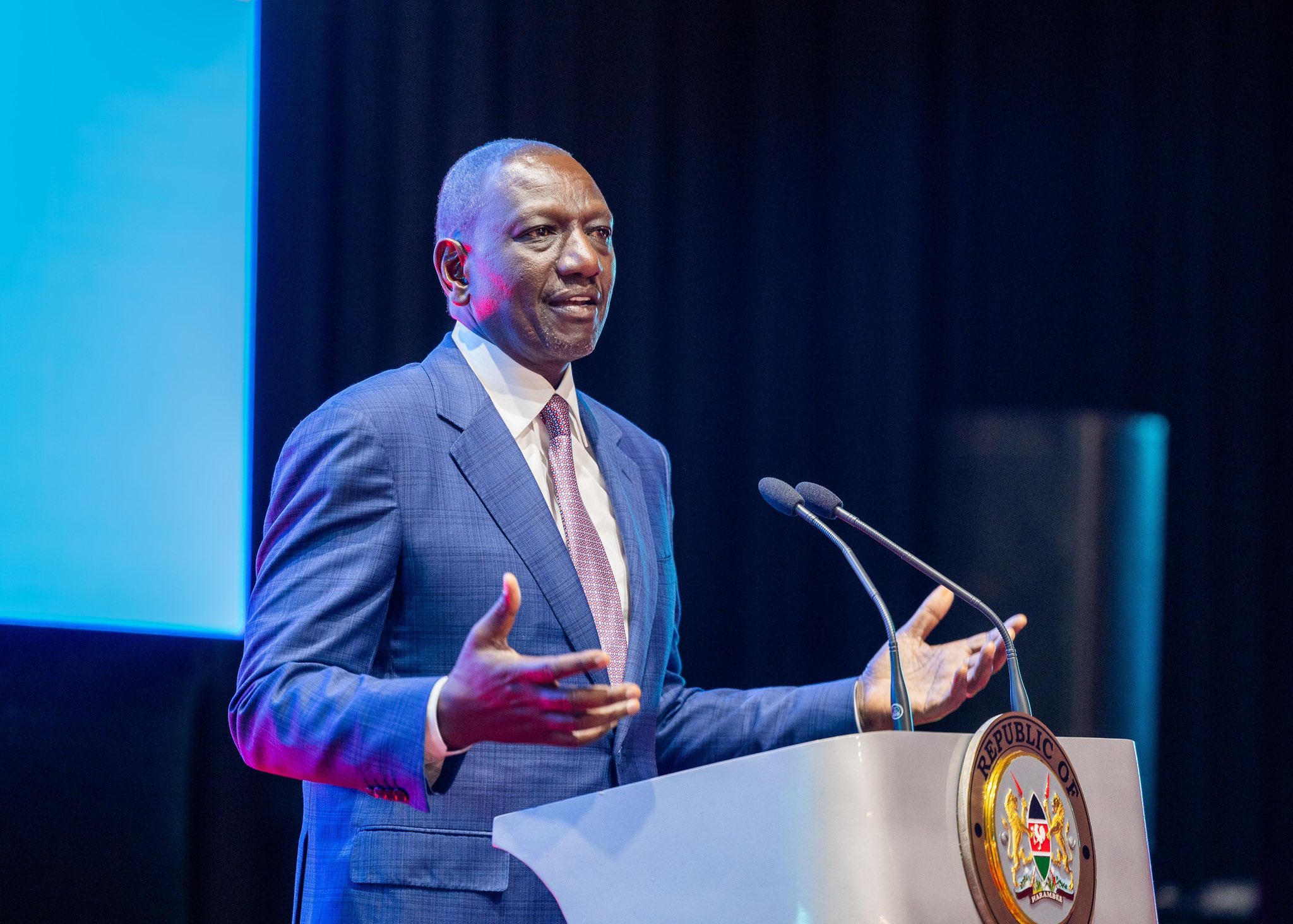
President William Ruto at the consultative forum to review Kenya's foreign policy, KICC, Nairobi. Photo/William Ruto via X
Kenya has recently found itself embroiled in a significant diplomatic controversy with Sudan, following its decision to host a meeting of the Sudanese militia group, Rapid Support Forces (RSF), in Nairobi.
This move has sparked sharp criticism from Sudan and raised serious questions about Kenya's role in regional stability and its commitment to international law.
Many believe that RSF is synonymous with involvement in severe human rights violations, including massacres and ethnic violence.
Its leaders were to convene in Nairobi to plan the launch of a parallel government in Sudan. This action has been perceived by Sudan as an endorsement of the RSF's activities, which has further strained the already tense relations between the two nations.
The RSF convened in Nairobi to plan the launch of a parallel government in Sudan. This action has been perceived by Sudan as an endorsement of the RSF's activities, which include atrocities such as massacres, kidnappings, and enforced disappearances.
Sudan's Ministry of Foreign Affairs condemned Kenya's decision, stating, “Hosting leaders of the terrorist RSF militia and allowing them to conduct political and propaganda activities—while they continue to perpetrate genocide, massacre civilians on an ethnic basis, attack IDP camps, and commit acts of rape—constitutes an endorsement of and complicity in these heinous crimes.”
The ministry further accused Kenya of violating regional diplomatic principles and breaching pledges made at the highest levels to prevent hostile activities against Sudan on Kenyan soil.
In response, Kenya's foreign ministry reaffirmed its commitment to peace efforts in Sudan.
"Kenya is ready to support peace efforts in Sudan," the ministry stated, emphasizing that the meeting was intended to foster dialogue and unity.
This incident has further strained the already tense relations between Kenya and Sudan.
Historically, Kenya and Sudan have had a complex relationship, often marked by diplomatic tensions.
During the First Sudanese Civil War, Kenya supported the Sudan People's Liberation Movement (SPLM), which strained relations with the Sudanese government.
Kenya also played a significant role in mediating the peace process that eventually led to the independence of South Sudan.
However, diplomatic relations have been rocky, especially after incidents such as the issuance of an arrest warrant for Sudan's President Omar al-Bashir in 2011.
To navigate this diplomatic dilemma and restore stability, Kenya can leverage its history of conflict mediation by facilitating dialogue between the Sudanese government and the RSF.
Engaging regional bodies such as the African Union (AU) and the Intergovernmental Authority on Development (IGAD) can help mediate the conflict, as these organizations have the mandate and experience to support Sudanese-led efforts toward stability.
Additionally, the international community, including the United Nations and Western powers, can play a crucial role in supporting peace efforts through diplomatic pressure and humanitarian initiatives.
Kenya should reaffirm its neutrality in the Sudanese conflict and ensure that its actions do not appear to endorse any particular faction, which can help rebuild trust with Sudan and other regional partners.
Providing humanitarian aid to affected populations in Sudan can demonstrate Kenya's commitment to peace and stability, alleviating the suffering of civilians caught in the conflict. By prioritizing peace, justice, and the protection of human rights, Kenya can contribute positively to regional stability and harmony.
Kenya's decision to host the RSF meeting not only jeopardizes its diplomatic standing but also risks complicity in the ongoing conflict and human rights abuses in Sudan. As the situation unfolds, it remains to be seen how Kenya will navigate this diplomatic dilemma and whether it will take steps to rectify its stance.
In these challenging times, it is imperative for nations to prioritize peace, justice, and the protection of human rights. Kenya must reconsider its actions and ensure that it contributes positively to regional stability and harmony.
By Nyangenya Bwomanga – Eminent Peace Ambassador - UN
To advertise with us, send an email to advert@avdeltanews.world