

Kwale risks losing Sh1.16bn as Sh8 trillion Mrima Hill minerals beckon
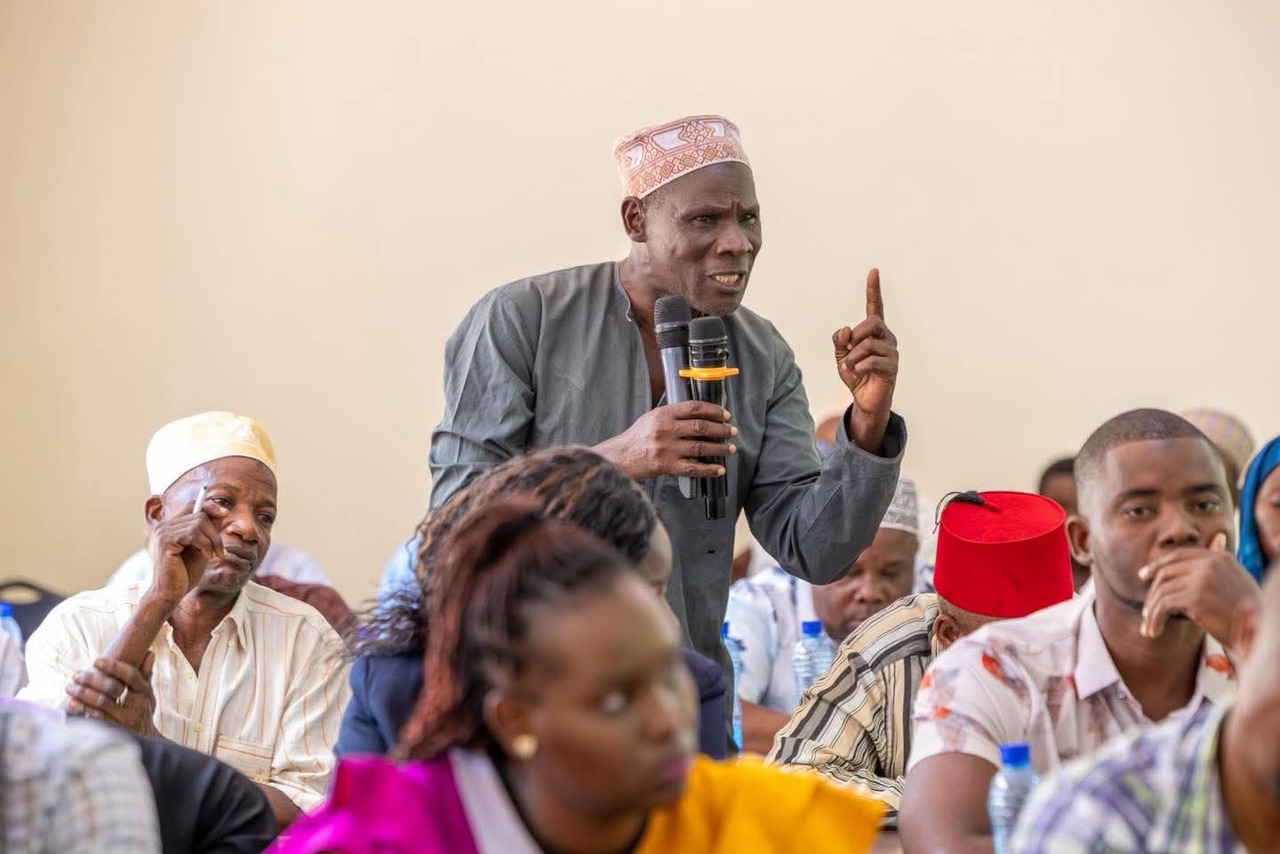
KWALE, Kenya — A former Agriculture Principal Secretary, Hamadi Iddi Boga, has warned that Kwale County risks losing out on the full impact of Sh1.16 billion in mineral royalties unless it shifts how the money is spent.
In a memorandum to the Kwale County Budget and Economic Forum, Prof Boga vied for Kwale gubernatorial seat in 2022 says the funds are currently directed to roads, dams, health facilities and training centres.
“The current use of mineral royalties is largely focused on infrastructure — roads, dams, health facilities, and training centres. These are important, but they do not tackle deeper structural economic challenges,” he argues.
The deeper concern
According to Prof Boga, the current approach does little to fix:
- Youth unemployment
- Weak economic diversification
- Poor linkages between mining, agriculture and tourism
He warns that mineral royalties are finite and non-recurring, meaning today’s decisions will shape Kwale’s economic future long after mining slows down.
The bigger picture: Mrima Hill
The warning comes as attention turns to Mrima Hill, a mineral-rich site in Kwale believed to hold rare earth deposits worth trillions of shillings.
The project has already attracted global interest, placing Kwale at the centre of a future mining race.
For Prof Boga, the message is clear: How Kwale spends today’s billions will determine how it handles tomorrow’s trillions.
What he is proposing
Prof Boga is currently serves as Vice President, Program Delivery at the Alliance for a Green Revolution in Africa (AGRA), overseeing the organisation’s programme implementation across about 15 countries in East, Southern and West Africa.
His role focuses on translating AGRA’s strategy into on‑the‑ground impact in areas such as agricultural policy, food systems transformation and smallholder farmer support.
To change course, he is pushing for a Kwale Natural Resource Fund with clear rules on how mining revenues are used.
The proposed structure:
- 40 percent — long-term savings and reinvestment
- 40 percent — economic transformation and job creation
- 20 percent — community development
He also wants investments redirected to high-impact areas such as: Agriculture value chains, Youth enterprise financing, and Local supplier development.
The shift he wants
Beyond the fund, Prof Boga is calling for stricter discipline:
- No use of royalties for recurrent expenditure
- Multi-year investment planning
- Stronger transparency and public reporting
Kwale is already benefiting from mining. But with Mrima Hill on the horizon, the stakes are much higher.
The county is no longer just managing royalties. It is deciding whether it will convert mineral wealth into lasting economic power — or miss the moment.
To advertise with us, send an email to advert@avdeltanews.world