

Mohammed Ibrahim: Kenya’s Judiciary honours the late Supreme Court judge
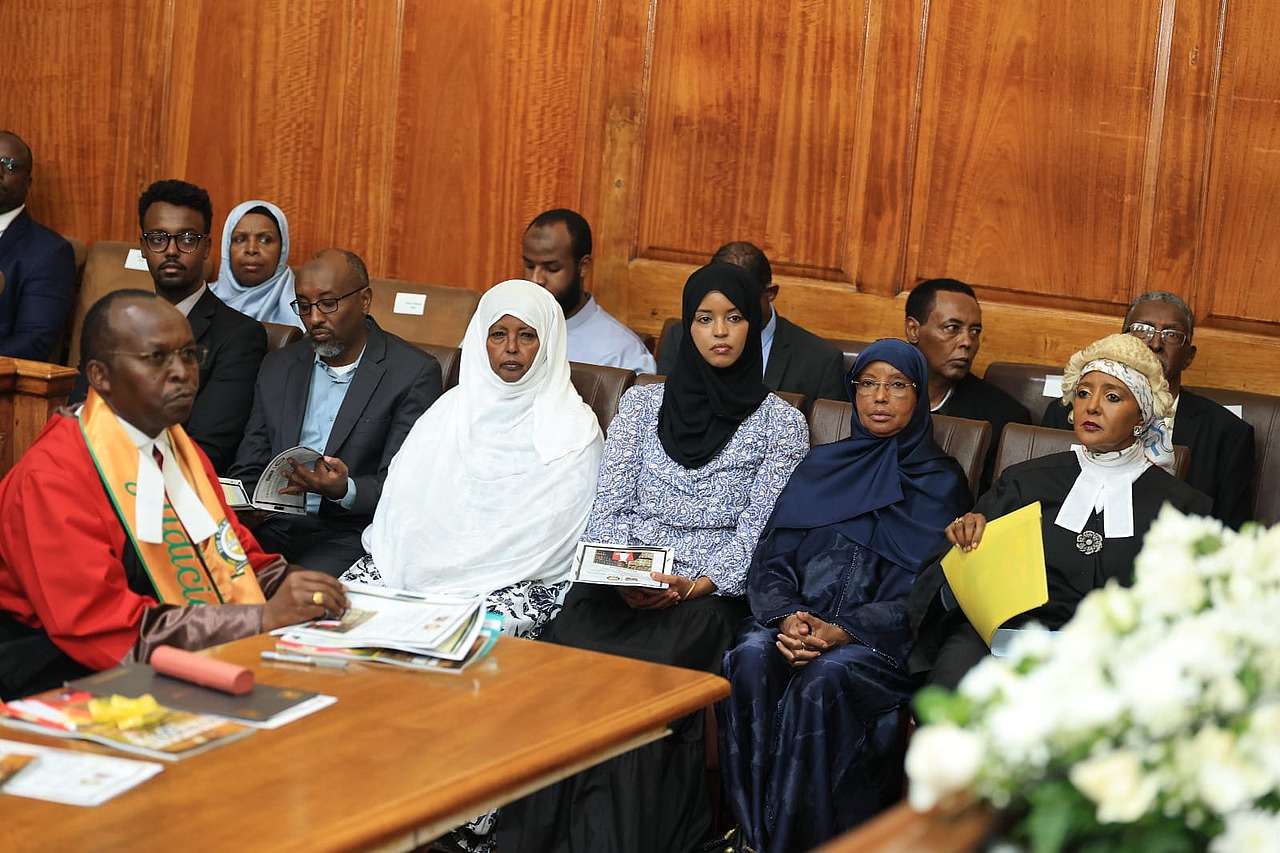
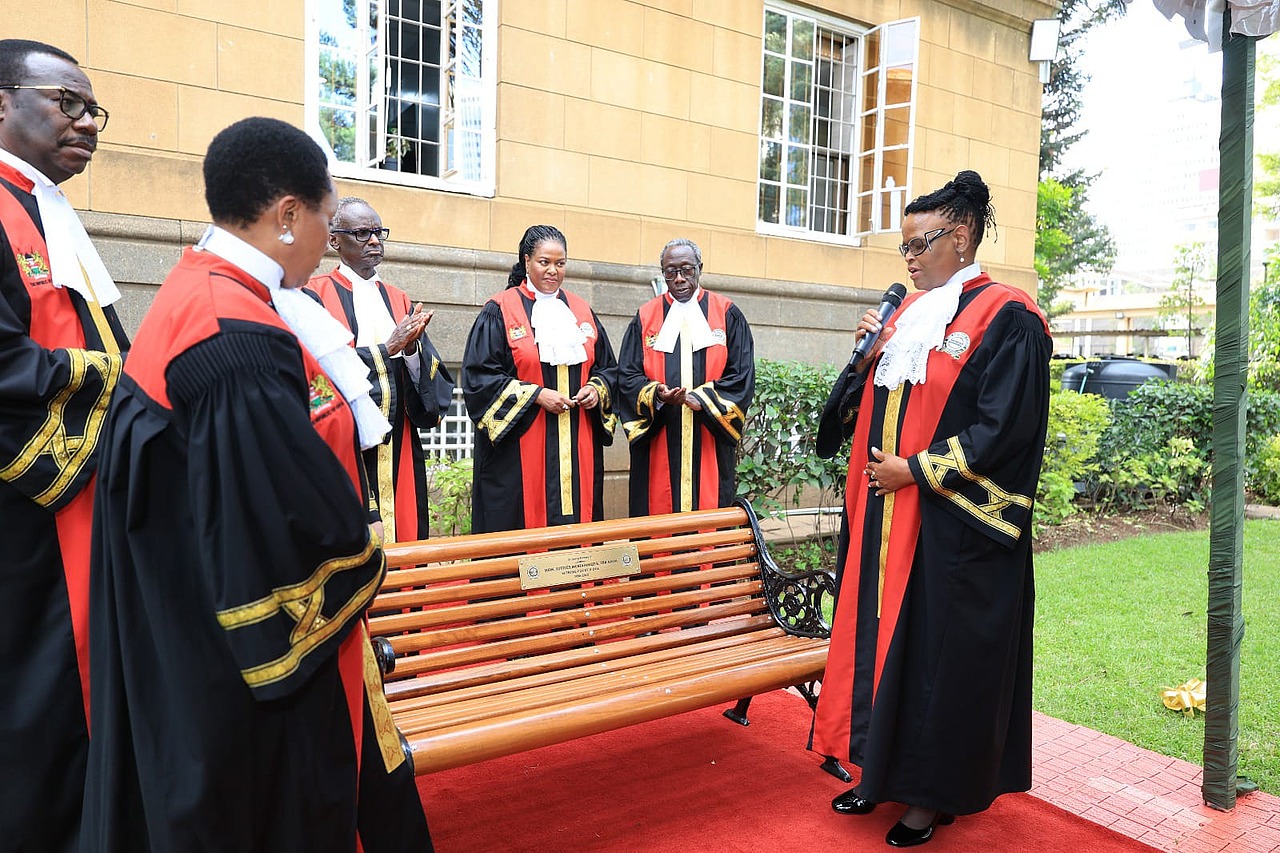
Kenya’s judiciary on Monday honoured the late Mohammed Khadhar Ibrahim, a Supreme Court judge remembered as a fearless defender of human rights and a key figure in shaping the country’s constitutional democracy.
Chief Justice Martha Koome led the tribute during solemn Closing of File Proceedings held by the Judiciary of Kenya, a legal tradition used to honour members of the Bench and Bar who have passed on.
Chief Justice Koome described Justice Ibrahim as a jurist whose career reflected deep commitment to justice, constitutionalism and the rule of law.
“Justice Ibrahim exemplified courage, fairness and dedication to justice,” she said.
“His legacy will continue to guide the judiciary and the country.”
From activist lawyer to judge
Before joining the bench, Justice Ibrahim had built a reputation as a courageous advocate for human rights, democratic governance and constitutional reform during some of Kenya’s most politically difficult years.
He stood firmly with those whose voices were often ignored, even at personal risk, including a period of detention without trial during the struggle for democratic freedoms.
His judicial career began in 2003 when he was appointed to the High Court of Kenya, where he served in several divisions handling civil, commercial and constitutional cases.
He later served as Resident Judge in Eldoret and Mombasa, overseeing court operations while presiding over both civil and criminal matters.
Landmark decisions
During his time at the High Court, Justice Ibrahim delivered several notable rulings that attracted national and international attention.
One of the most widely cited affirmed that Kenyan courts could prosecute piracy offences committed on the high seas--a judgment that drew global legal interest.
He also issued a groundbreaking ruling granting bail to an accused person charged with murder under the new constitutional framework, setting an important precedent on bail rights in capital offences.
In another high-profile decision, he nullified the election of a sitting cabinet minister, reinforcing the judiciary’s independence and the importance of credible elections.
Role at the Supreme Court
In 2011, Ibrahim was appointed to the Supreme Court of Kenya, joining the inaugural bench established under the 2010 Constitution.
At the apex court, he participated in major constitutional rulings, including presidential election petitions and cases that shaped Kenya’s democratic governance.
He was also known for writing thoughtful dissenting opinions that emphasized constitutional values, human dignity and the protection of individual freedoms.
Leadership and legacy
Beyond adjudication, Justice Ibrahim played key leadership roles within the judiciary. He chaired the Judiciary Committee on Elections, which prepares courts to handle election petitions, and later represented the Supreme Court in the Judicial Service Commission of Kenya.
As the most senior judge after the Chief Justice and Deputy Chief Justice, he also occasionally served as acting President of the Supreme Court.
Several leaders and senior lawyers paid tribute during the ceremony, including Faith Odhiambo, Paul Muite, Phillip Murgor, Moses Wetang'ula, Amina Mohammed, Nancy Baraza and former Chief Justice Willy Mutunga.
The judiciary said Justice Ibrahim’s life and work will continue to inspire future generations committed to defending the rule of law in Kenya.
To advertise with us, send an email to advert@avdeltanews.world