

New study ranks red meat first among breast cancer modifiable risk factors
- Created by Pauline Ongaji
- Health News
High red meat intake accounts for the largest share, followed by tobacco use (including second-hand smoke), high blood sugar, high body mass index, alcohol consumption and low physical activity.
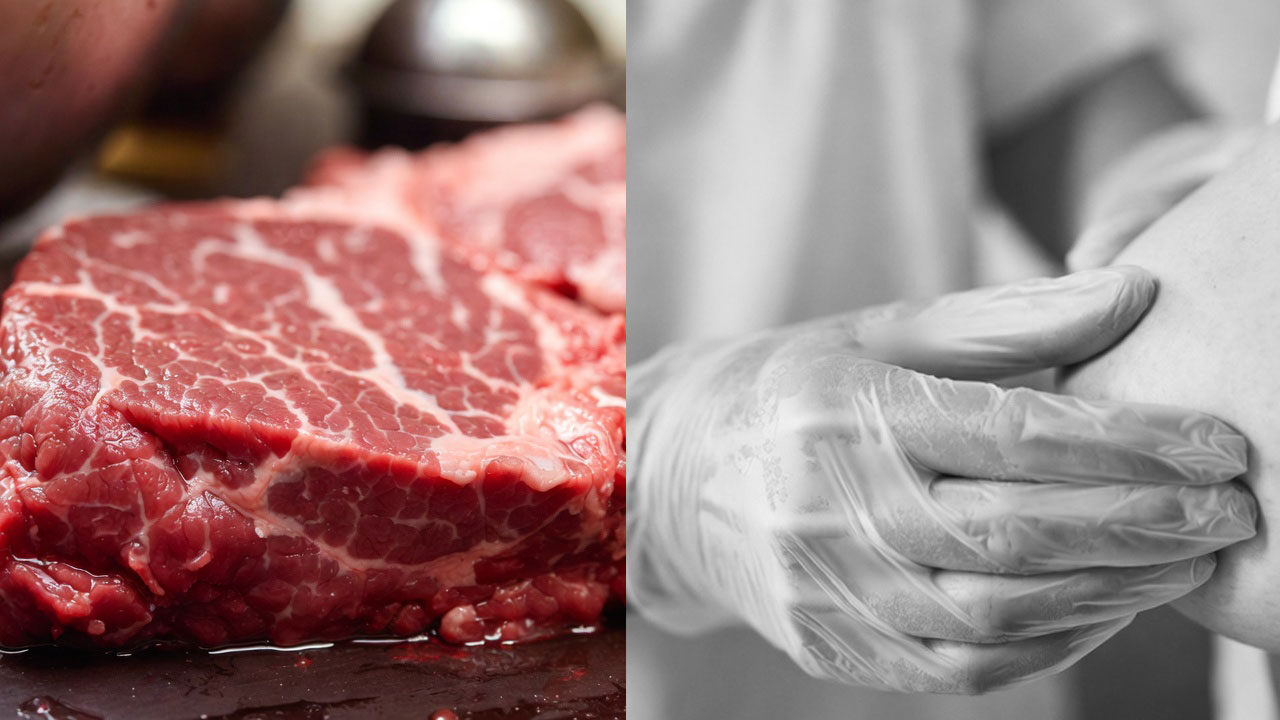
Red meat now stands out as the single largest modifiable contributor to the global burden of breast cancer among women.
According to a new analysis published in The Lancet Oncology, dietary risk factors led by high red meat intake are playing an increasingly visible role in a disease that is projected to surge dramatically over the next quarter century.
Overall, 28 percent of the global breast cancer burden, which is equivalent to 6.8 million healthy years of life lost in 2023, is linked to six modifiable risk factors, with high red meat intake accounts for the largest share, followed by tobacco use (including second-hand smoke), high blood sugar, high body mass index, alcohol consumption and low physical activity.
While the burden attributable to alcohol and tobacco has declined since 1990, progress in reducing obesity and high blood sugar, conditions rising rapidly in many African countries undergoing nutrition and lifestyle transitions, has been limited.
The peer-reviewed modelling study by the Global Burden of Disease Study 2023 Breast Cancer Collaborators paints a stark picture, where breast cancer remains the most commonly diagnosed cancer among women worldwide and the leading cause of cancer-related illness and premature death.
In 2023 alone, an estimated 2.3 million women were diagnosed with breast cancer globally, and 764,000 died from the disease. By 2050, annual cases are projected to climb by one-third to 3.5 million, while yearly deaths are expected to rise 44 percent to nearly 1.4 million.
Although high-income countries continue to report the highest diagnosis rates, the fastest growth is unfolding in low-income nations, particularly across Africa, where health systems are least equipped to respond.
Equatorial Guinea recorded the world’s steepest increase in new cases since 1990, with incidence rising more than threefold. The country also posted the second-highest rise in deaths, at 212 percent. Other African nations experiencing sharp mortality increases include Ethiopia (207 percent), Egypt (189 percent), Democratic Republic of the Congo (160 percent), Mauritania (141 percent), Uganda (135 percent), Mali (133 percent) and Liberia (129 percent).
Researchers attribute these patterns to rapid demographic change, urbanisation and lifestyle shifts, combined with under-resourced health systems struggling with shortages of radiotherapy machines, chemotherapy drugs and pathology services.
The study also highlights widening survival inequalities. Since 1990, age-standardised death rates in high-income countries have fallen by about 30 percent to 16 deaths per 100,000 women, reflecting advances in screening, earlier diagnosis and improved treatments. In contrast, death rates in low-income countries have nearly doubled over the same period, reaching 24 per 100,000 women in 2023.
While low- and lower-middle-income countries account for just over a quarter of global breast cancer cases, they represent more than 45 percent of all healthy years of life lost due to the disease.
Globally, breast cancer continues to affect older women most heavily. In 2023, women aged 55 or older were diagnosed at three times the rate of those aged 20 to 54. But incidences have been rising faster among younger women. Since 1990, rates among women aged 20–54 have increased by 29 percent, while rates among older women have remained relatively stable.
Researchers suggest that changing reproductive patterns, diet, rising obesity rates and worsening metabolic health are likely contributing factors.
Lead author Kayleigh Bhangdia of the Institute for Health Metrics and Evaluation warned of a “mounting burden shifting to low- and lower middle-income countries,” where late-stage diagnosis and restricted treatment options threaten to overshadow gains made elsewhere.
Researchers argue that prevention strategies, from anti-smoking policies to promoting healthier diets and physical activity, could significantly alter future trends. But prevention alone will not be enough. Expanding equitable access to early detection, affordable medicines, radiotherapy and surgery will be essential to narrowing survival gaps.
To advertise with us, send an email to advert@avdeltanews.world