

Oshwal Academy ordered to allow Muslim students to perform 'Dhuhr' prayers
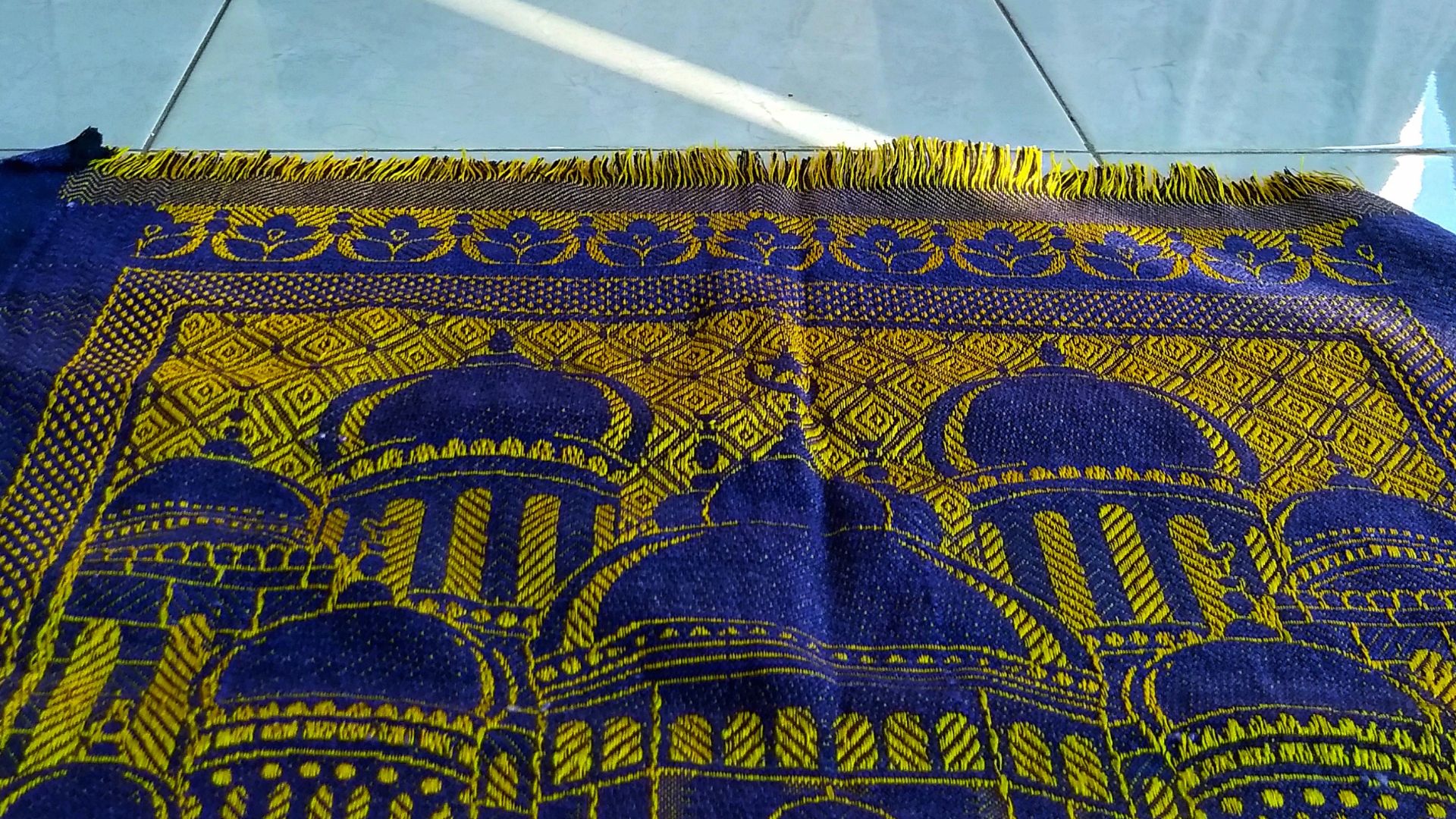
Prayer mat. File photo
The management of Oshwal Academy has been ordered to allow Muslim students to perform Dhuhr (afternoon) prayers on school premises, following a High Court ruling.
Justice James Wakiaga found that a policy introduced in January 2019 to ban the prayers stifled the students' constitutional rights to freedom of religion, education and protection from discrimination.
School officials had defended the policy, citing efforts to promote integration and cohesion among students by discouraging overt displays of religious practice. They argued that the policy was widely accepted by most parents, with only a few opposing it.
However, Justice Wakiaga ruled that while freedom of religion could be restricted under Article 32 of the Constitution, such restrictions must be in accordance with the law.
"Oshwal Academy's decision to prevent or prohibit Muslim students from performing Dhuhr prayers indirectly discriminated against them on the basis of their religion," justice Wakiaga ruled.
The legal challenge was brought by Mohamed Khan, a former parent at the school, who sought to protect the right of Muslim pupils to practice their faith through compulsory prayers. Khan argued that the ban denied Muslim pupils the opportunity to fulfil their religious obligations.
Khan revealed that the issue was first raised at a parents' meeting in May 2018, where Muslim parents requested that students be allowed to pray on campus.
The school rejected the proposal and later introduced 'conditions for student continuity', which included conditions that gave the administration the discretion to terminate enrolment if parents were deemed to be interfering with the school's aims as a faith-based institution.
The petition also highlighted inconsistencies in the school's practices, noting that Jain prayers were part of assemblies and student orientation, contradicting the school's claim of religious neutrality.
It was also revealed that before the Westgate terrorist attack in 2013, Muslim students were allowed to attend Friday prayers at the nearby Parklands mosque during lunchtime.
The arrangement was stopped after the attack, with the school citing security concerns. Oshwal Academy, founded in 1950 on Jain principles, has made it clear that no religious subjects are taught and all pupils are required to recite the school's morning prayer.
While vegetarian meals are served, no preference is given to any religion.The school admitted the allegations, but stated that the complainants represented a minority of the school community.
Nevertheless, Judge Wakiaga ruled that the policy was unconstitutional and that it violated the rights of Muslim students.
The court ordered the school to allow the students to pray on campus.
To advertise with us, send an email to advert@avdeltanews.world