

Pneumococcal vaccine cuts childhood infections by 92 percent in Kenya
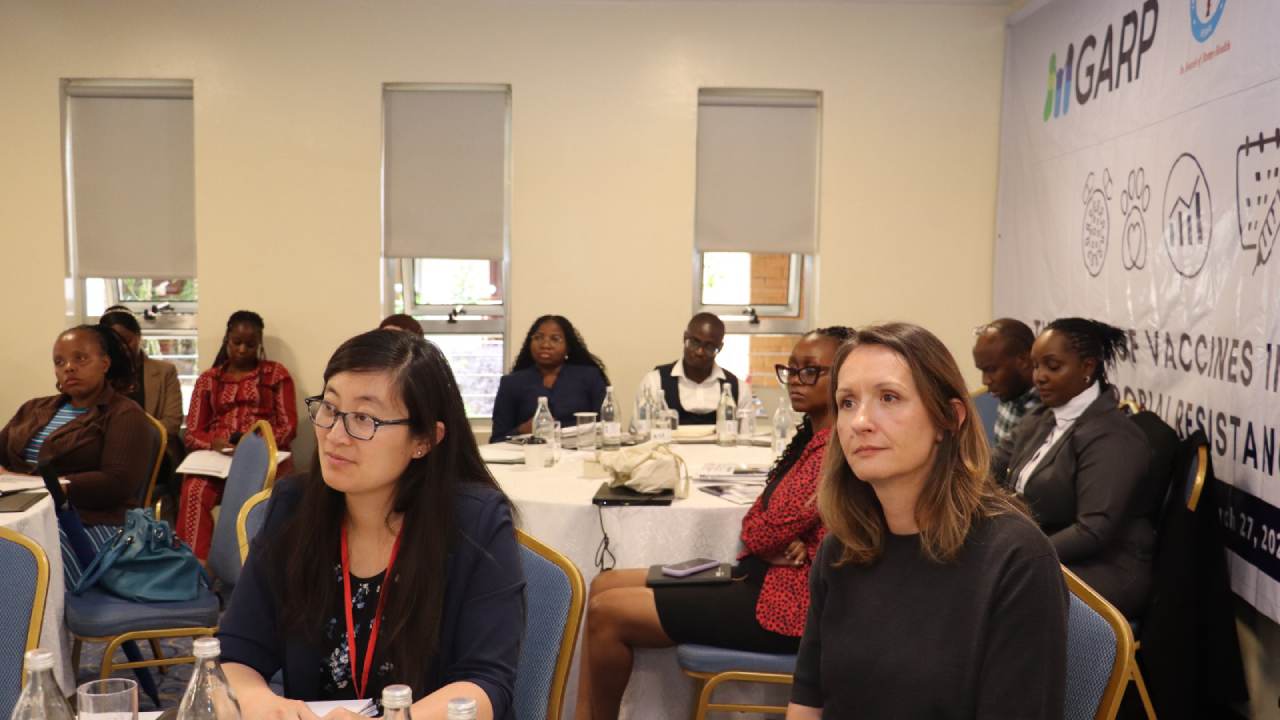
Vaccines are proving to be a powerful tool in Kenya’s fight against antimicrobial resistance (AMR), with the pneumococcal vaccine reducing invasive pneumococcal disease in children under five by 92 percent.
AMR occurs when bacteria, viruses, fungi, or parasites no longer respond to medicines designed to treat them. This makes infections harder to treat, increases the risk of severe illness, and drives up healthcare costs.
Kenya is ranked 28th worldwide in AMR-related mortality, with 8,500 deaths directly attributable to resistant infections and an estimated 37,000 deaths associated with AMR each year.
Kenya’s population stands at about 55 million, with a life expectancy of roughly 64 years. Infectious diseases account for 43.4 per cent of all deaths, while child mortality remains high, at 41.1 deaths per 1,000 births among children under five.
Experts say reducing infections through vaccination is essential to slowing AMR and protecting public health.
Speaking during a media briefing in Nairobi, Acting Director of Research and Development at the Kenya Medical Research Institute (KEMRI), Dr Eric Mouk, said childhood pneumonia remains a major driver of antibiotic use and resistant infections in Kenya.
“By protecting children from preventable diseases, vaccines cut down the number of antibiotic treatments needed, this slows the emergence of resistant bacteria and preserves the effectiveness of medicines for everyone,” he said.
Dr Mouk added that every vaccination given today safeguards not only the child receiving it but also the wider community by reducing opportunities for resistant infections to spread.
The report from the Global Antibiotic Resistance Partnership (GARP) Kenya, in collaboration with KEMRI and the One Health Trust, shows that vaccines like the pneumococcal shot, typhoid conjugate vaccine, and broader immunization programs are instrumental in preventing resistant infections.
The typhoid conjugate vaccine is projected to prevent 570,000 cases over the next decade, while combined vaccination efforts could avert up to 6,935 deaths and more than 216,000 hospital admissions by 2030.
Project Country Coordinator for GARP-Kenya, Dr Christine McKenna, said ensuring vaccines reach underserved populations is key to maximising impact against AMR. She emphasized the importance of reliable distribution, cold-chain systems, and public education to address vaccine hesitancy.
“Expanding coverage and ensuring timely vaccination in remote and vulnerable communities is critical,” Dr McKenna said.
“Every child vaccinated reduces the need for antibiotics and strengthens our defenses against resistant infections.”
Malaria and tuberculosis vaccines also offer significant potential to reduce antimicrobial pressure. Modeling studies show that increasing vaccination coverage could dramatically cut infection rates, save thousands of lives, and reduce healthcare costs linked to treating resistant infections.
Dr Robert Onsare, Head of Enteric Pathogens & AMR Research at KEMRI, warned that failure to act now could allow resistant infections to rise sharply.
“Vaccines are not just a health intervention; they are an investment in the safety and sustainability of our healthcare system, by scaling up immunisation, Kenya can protect its population and preserve the effectiveness of lifesaving antibiotics for future generations."
As AMR continues to escalate globally, Kenya’s experience shows how targeted vaccination campaigns can prevent infections, save lives, and safeguard the medicines needed to fight resistant bacteria.
To advertise with us, send an email to advert@avdeltanews.world