

Rabies prevention dominate conversations in Diani conference
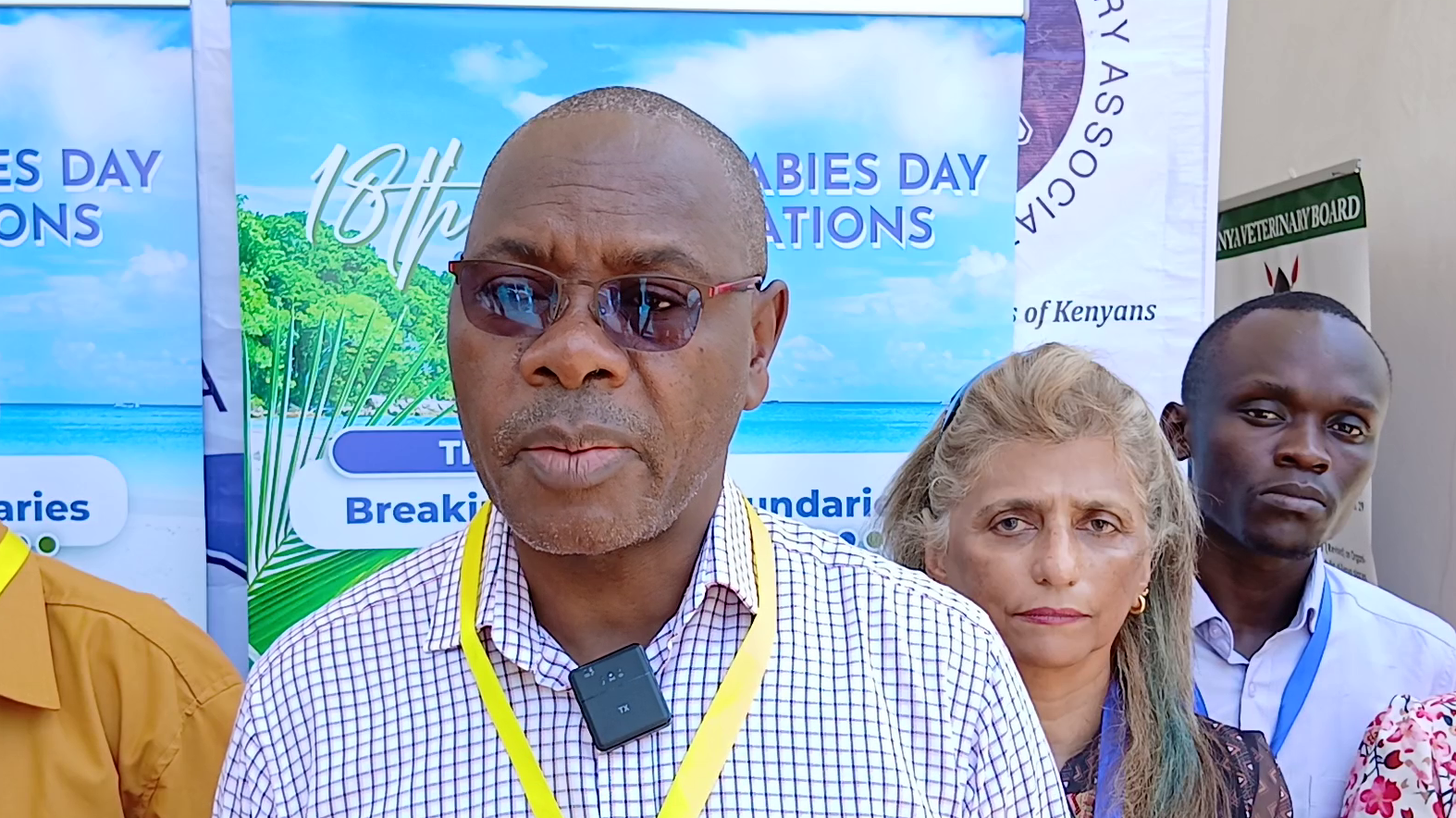
Acting Director of Veterinary Services Allan Azegelle addresses the media during a conference to commemorate World Rabies Day in Diani, Kwale County. Photo/Mishi Gongo
In a call to action on World Rabies Day, the Kenya Veterinary Association, emphasized the urgent need for increased resources and collaboration in combating rabies, a disease that poses significant health risks to both animals and humans.
Speaking at a conference attended by medical doctors, veterinarians, and various stakeholders, the Chairman of Kenya Veterinary Association Kelvin Osore said that rabies is not curable, but can be prevented.
"We must unite our efforts to tackle this pressing issue," Dr Osore said.
The conference highlighted the critical link between animal health and human well-being, as approximately 70 per cent of diseases affecting humans originate from animals.
Dr Osore noted, “This is the first conference to bring together human and animal doctors. Moving forward, we will organise more of these gatherings to strengthen our collaborative approach.”
He urged national government and devolved units to allocate sufficient resources to bolster veterinary services in the country.
“Currently, our facilities lack adequate personnel, which hampers our ability to combat diseases and educate the community effectively,” he stated.
He also called for better compensation for veterinary interns and doctors, stressing that what they are currently earning is not enough.
Acting Director of Veterinary Services Allan Azegelle shared that the government has launched various initiatives to control rabies in the country.
“We have started a vaccination program targeting both animals and humans in counties heavily affected by rabies,” Dr Azegelle said.
The government has distributed 5,000 vaccines across regions such as Kwale, Rift Valley, Central and Western Kenya, where rabies cases have surged.
Dr Azegelle revealed ongoing efforts to contain rabies in wildlife, including the recent capture of over 60 rabies hyenas in Juja that posed threats to local communities.
“Our goal is to control rabies by 2030. We have already made significant strides in managing other diseases like foot and mouth disease and anthrax,” he added.
Chief Executive Officer (CEO) of the Kenya Medical Association Brenda Obondo, emphasized the importance of grassroots involvement in disease prevention.
“We will work with local communities to raise awareness and facilitate vaccinations,” Dr Obondo said.
The association on Saturday held a medical camp, offering cancer screenings and blood drives.
“Many locals live in close quarters with their animals without adequate vaccination against zoonotic diseases,” Dr Obondo noted.
Additionally, Chairman of the Veterinary Board Joan Magero highlighted ongoing efforts to regulate veterinary services.
“We have dispatched inspectors to monitor agrovets and ensure the proper use of medicines,” Dr Magero explained.
She urged farmers to verify the qualifications of anyone claiming to be a veterinarian, saying, “It is crucial to ensure they are qualified and registered to avoid the use of incorrect treatments.”
To advertise with us, send an email to advert@avdeltanews.world