

Ruto opposes awarding PhD degrees through recognition of prior learning
- Created by AVDelta News Reporter
- Top News
Experience can enhance academic understanding, but it does not replace the structured effort of enrolled study.
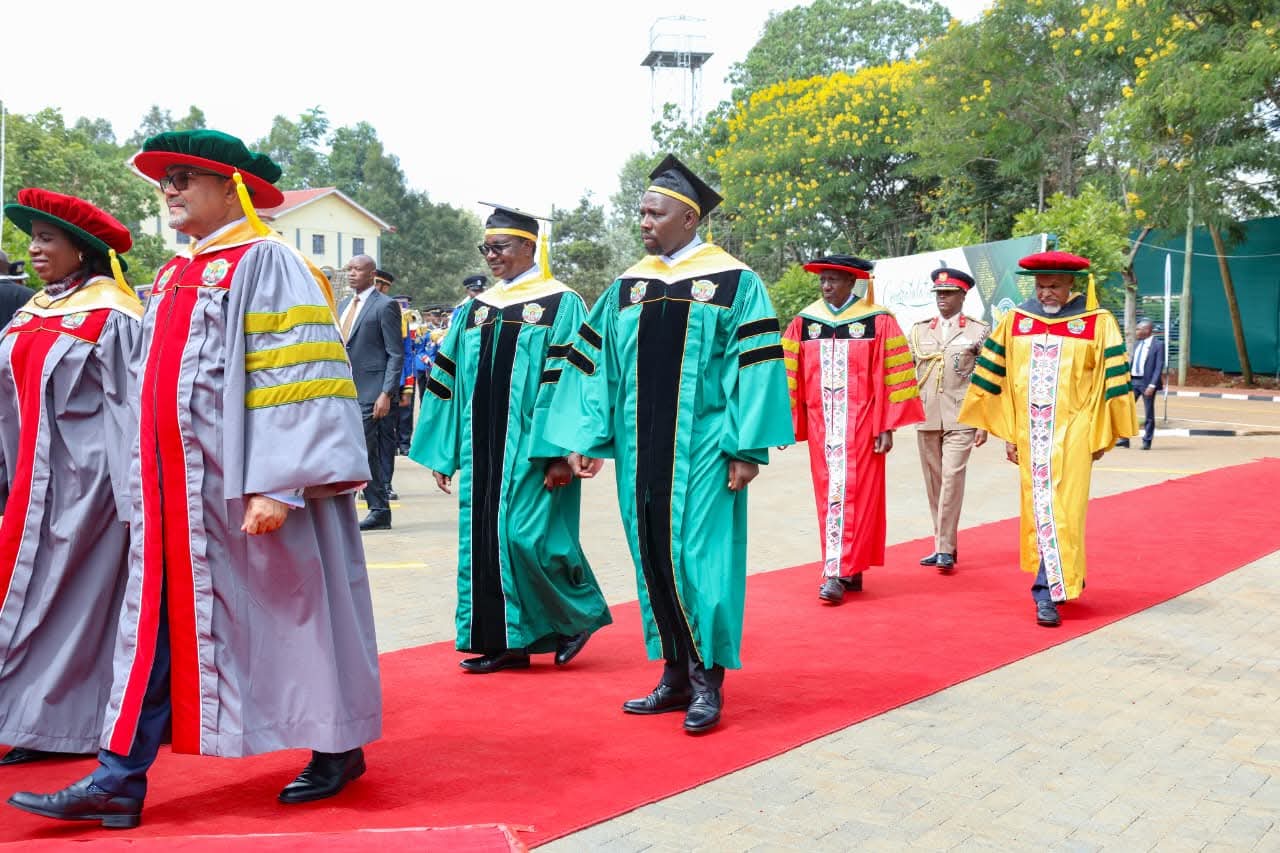
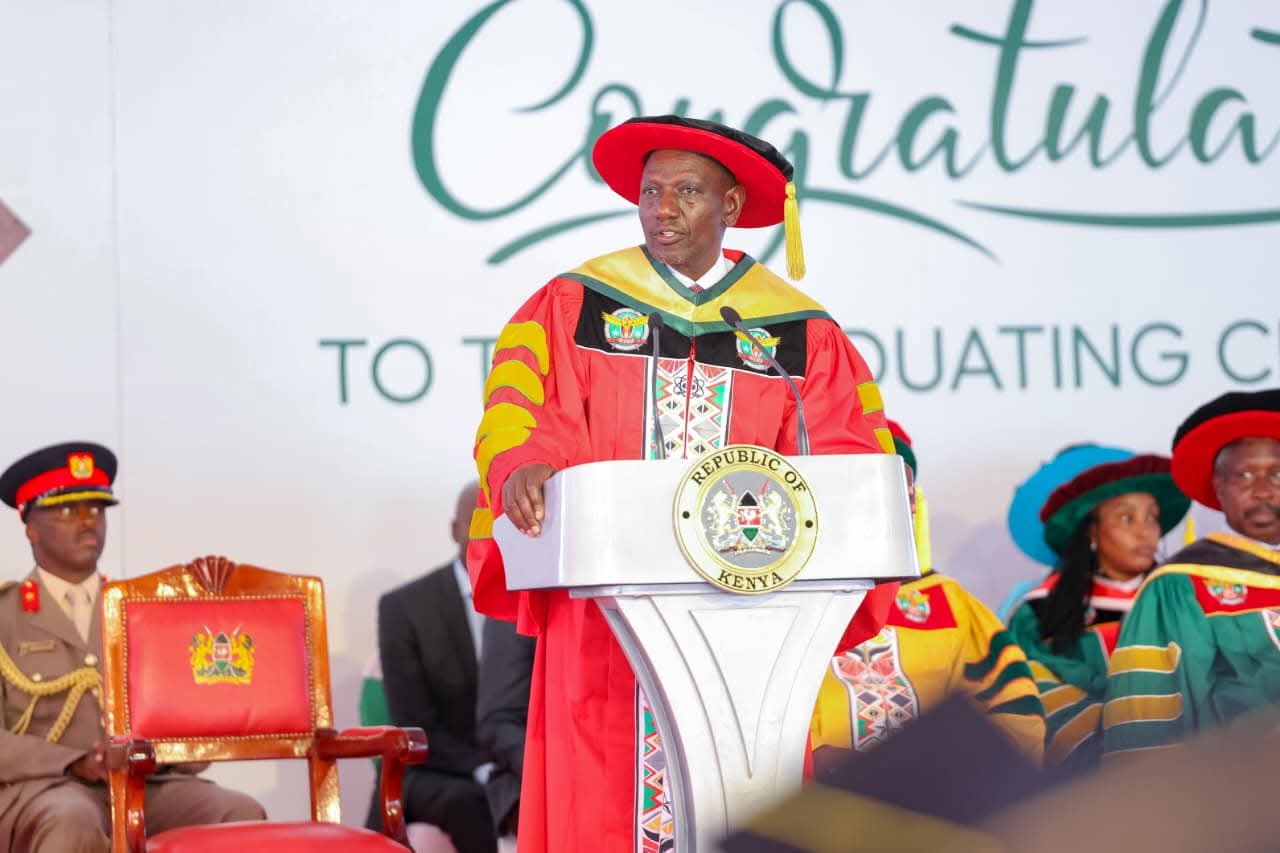
President William Ruto has stirred a fresh debate on academic standards after firmly rejecting the idea that a PhD degree can be awarded through Recognition of Prior Learning (RPL).
His comments came during the graduation ceremony of the National Intelligence and Research University (NIRUK) in Loresho, Nairobi, on Tuesday February 17, 2026--a high‑profile event attended by Cabinet Secretary Kipchumba Murkomen, responsible for the Interior docket, and Education Cabinet Secretary Julius Ogamba.
CS Murkomen, who attended as the CS in charge of the graduands, had earlier joked about his regalia after being given a square academic cap.
He joked suggestively that with his experience and status, he should have been given a circular motorboard worn by PhD graduates, including Principal Secretary for Higher Education, Dr Beatrice Muganda Inyangala, and the Principal Secretary for Science, Research and Innovation, Prof Shaukat Abdulrazak.
Mr Murkomen’s comment on the cap sparked discussion on whether Recognition of Prior Learning (RPL) could fast-track a PhD for experienced professionals.
But President Ruto, drawing on his own experience as a former Minister for Higher Education, corrected that notion on the spot.
He made it clear that while experience and lifelong learning are important, they do not replace the core requirements of earning a PhD through formal study, research and examination.
“The suggestion… that you can change your status using recognition of prior learning is misleading. It’s not possible for you to get a PhD using that route. You will not succeed. There are no shortcuts,” President Ruto said, emphasising that a PhD cannot be attained without completing the accepted academic processes.
At the heart of the debate is the need to differentiate between valid academic pathways and perceptions that fast‑tracking qualifications may undermine academic rigour.
Recognition of Prior Learning is a legitimate education policy that allows institutions to give academic credit for skills and knowledge gained through work or life experience.
In many cases, RPL can help a student enter a programme with advanced standing or get exemptions for certain modules.
It is meant to broaden access to learning, not to replace the rigorous research and assessment required to earn a doctorate.
President Ruto’s clarification also touched on a broader misunderstanding in public discourse about academic titles.
In Kenya and elsewhere, honorary PhDs are often conferred by universities on individuals to recognise outstanding contributions to society.
These honorary degrees are symbolic and do not reflect the completion of academic requirements.
Separately, some religious leaders and church pastors adopt or use doctoral titles based on ministerial training or church‑awarded certifications.
While these titles can hold meaning within religious or organisational contexts, they are not equivalent to an academically earned PhD from an accredited university.
For students and aspiring postgraduate scholars, a PhD represents new knowledge produced through formal research, supervision and examination, and can only be awarded once those criteria are met.
Experience can enhance academic understanding, but it does not replace the structured effort of enrolled study.
Education CS Julius Ogamba listened as the discussion unfolded and later reiterated that the Ministry remains committed to supporting lifelong learning and pathways that integrate work experience with formal education--without compromising academic standards.
The conversation has since sparked broader discussion among teachers, students and academic institutions about how best to value practical experience while upholding the integrity of academic qualifications.
To advertise with us, send an email to advert@avdeltanews.world