

Study finds violence against women and children as a major global health crisis
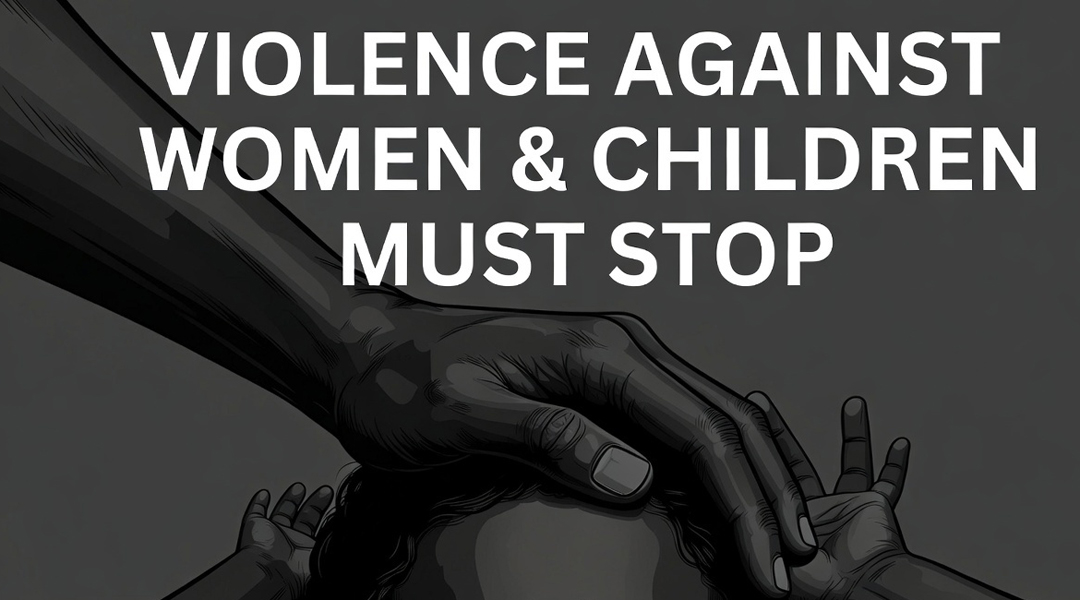
Study finds violence against women and children as a major global health crisis. Photo/File
Violence against women and children has emerged as one of the world’s most damaging health threats, with new global evidence showing that its long-term effects rival major chronic diseases.
The latest scientific analysis shows that childhood sexual violence and intimate-partner violence contribute to thousands of deaths every year.
They also fuel a wide range of illnesses that stretch across a person’s lifetime.
According to the findings, people who experience sexual violence during childhood face significantly higher risks of anxiety, depression, bipolar disorder, eating disorders, drug and alcohol abuse, self-harm, Type 2 diabetes, asthma, HIV/AIDS, sexually transmitted infections and even homicide-related injuries.
"Survivors of intimate-partner violence face many of the same outcomes. They include miscarriage, maternal haemorrhage, major depressive disorder, schizophrenia, and long-term physical injuries," says the study.
It also reveals that violence is far more widespread than previously understood.
"More than one billion people aged 15 and above have lived with the trauma of sexual violence in childhood, while over 600 million women have experienced physical or sexual violence from a partner."
Researchers say this means violence is not limited to particular regions or social groups — it affects communities in every corner of the world.
What makes the findings especially urgent is the scale of health damage linked to both forms of violence.
In 2023 alone, childhood sexual violence contributed to an estimated 290,000 deaths worldwide. Intimate-partner violence contributed to 145,000 deaths, many through suicide, homicide, chronic illness and complications linked to psychological trauma.
Health experts say these numbers confirm that violence is not only a security issue — it is a driver of disease, disability and death.
The evidence also highlights why progress has been slow. Many survivors never seek help due to fear, shame, stigma, or dependence on the perpetrator. Others lack access to confidential reporting channels, trauma-informed health services or mental-health support.
These barriers mean most cases remain hidden, leaving survivors to struggle silently with long-term physical and emotional injuries.
Researchers argue that preventing violence and supporting survivors early can significantly reduce future illness, break cycles of trauma and save families and health systems enormous costs.
Communities that respond early often see better mental-health outcomes, improved relationships, and stronger social and economic participation.
These findings come from the Global Burden of Disease Study 2023, produced by scientists at the Institute for Health Metrics and Evaluation (IHME) at the University of Washington School of Medicine.
The study was released on Tuesday, December 9, 2025, when the paper went live in The Lancet.
The lead communications contact, Connie Kim, said the full report, data files and appendix are available through IHME’s NextCloud system for journalists.
The researchers are now calling for governments, health systems and communities to treat violence as a core public-health priority.
They recommend stronger support systems for survivors, better training for teachers and health workers, community education on consent and respectful relationships, and secure channels for reporting abuse.
The study concludes that violence thrives in silence but declines when societies provide safety, awareness and support.
To advertise with us, send an email to advert@avdeltanews.world