

Supreme Court battle over Kenya’s cybercrime law as ODPP moves to restore struck-down sections
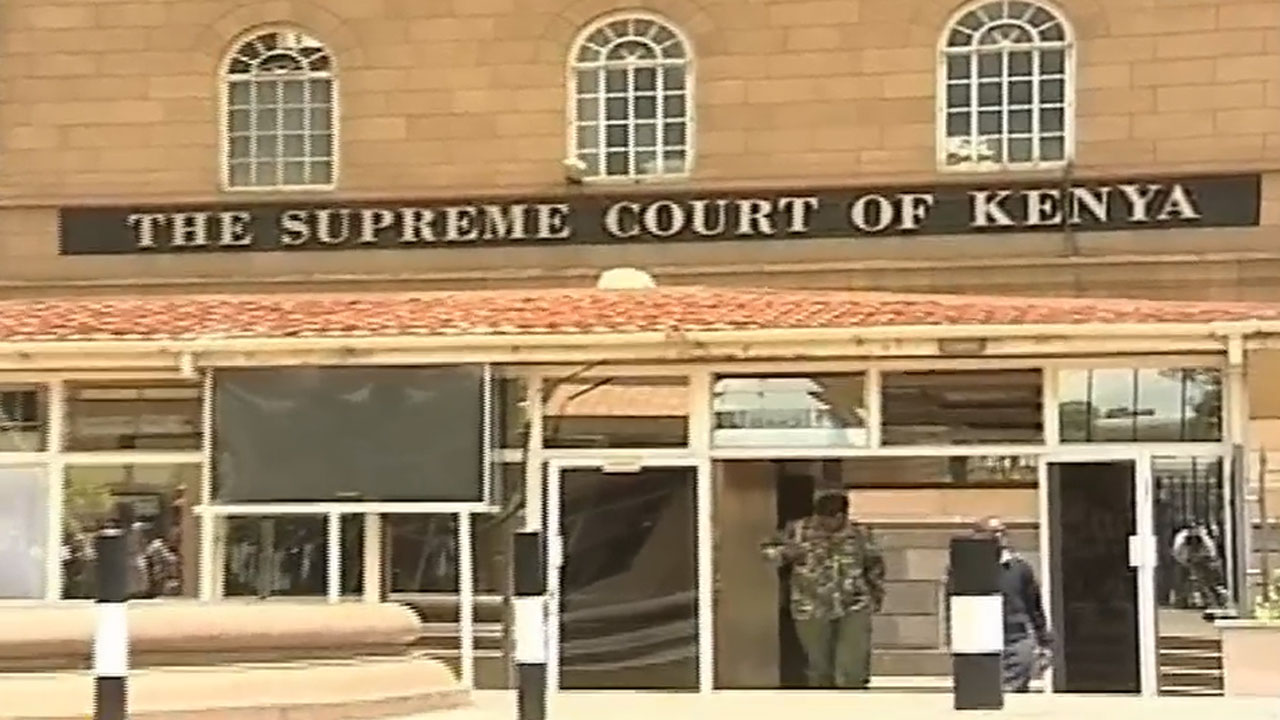
The Office of the Director of Public Prosecutions (ODPP) has escalated a major legal battle to the Supreme Court of Kenya, seeking to restore sections of the cybercrime law that were recently struck down by the Court of Appeal.
At the centre of the dispute is the Computer Misuse and Cybercrimes Act, a law widely used in cases involving online communication, social media activity, digital fraud, and cyber-related offences.
The ODPP has filed a petition challenging a Court of Appeal decision delivered on 6 March 2026, which declared sections 22 and 23 of the Act unconstitutional.
The appellate court found the provisions to be overly broad, raising concerns that they could be used to restrict freedom of expression and online speech.
The prosecution now wants the Supreme Court to overturn that ruling and reinstate the contested sections of the law.
The outcome of the case could directly affect how Kenyans use digital platforms such as Facebook, X (formerly Twitter), TikTok, WhatsApp, blogs, and news comment sections.
The disputed sections of the Act have previously been linked to prosecutions involving:
- Alleged online misinformation
- Cyber harassment claims
- Digital communication offences
- Social media posts deemed “offensive” or “false”.
A Supreme Court decision in favour of the ODPP could strengthen the government’s ability to prosecute cyber-related offences.
A decision against it could narrow how digital speech is regulated in Kenya.
ODPP defends legal mandate
In its filing, the ODPP said it remains committed to carrying out its constitutional mandate in line with the rule of law, public interest, and the administration of justice.
The office is asking the Supreme Court to overturn the appellate court ruling and restore the legal provisions it says are necessary for effective prosecution of cybercrime cases.
Bigger legal and digital policy implications
The case now places Kenya’s highest court at the centre of a growing global debate: how to balance online freedom with digital security and accountability.
A final ruling will likely shape:
- How aggressively cybercrime laws are enforced
- The boundaries of online speech
- The future of digital rights and regulation in Kenya
- How police and prosecutors handle social media-related offences.
The Supreme Court is expected to set directions for hearing the petition, marking the beginning of a closely watched legal battle that could redefine Kenya’s digital legal landscape.
For millions of internet users, the outcome could determine how far speech online is protected — and where the law draws the line.
To advertise with us, send an email to advert@avdeltanews.world