

Transparency International: Political interests override ethics in Kenya’s leadership appointments
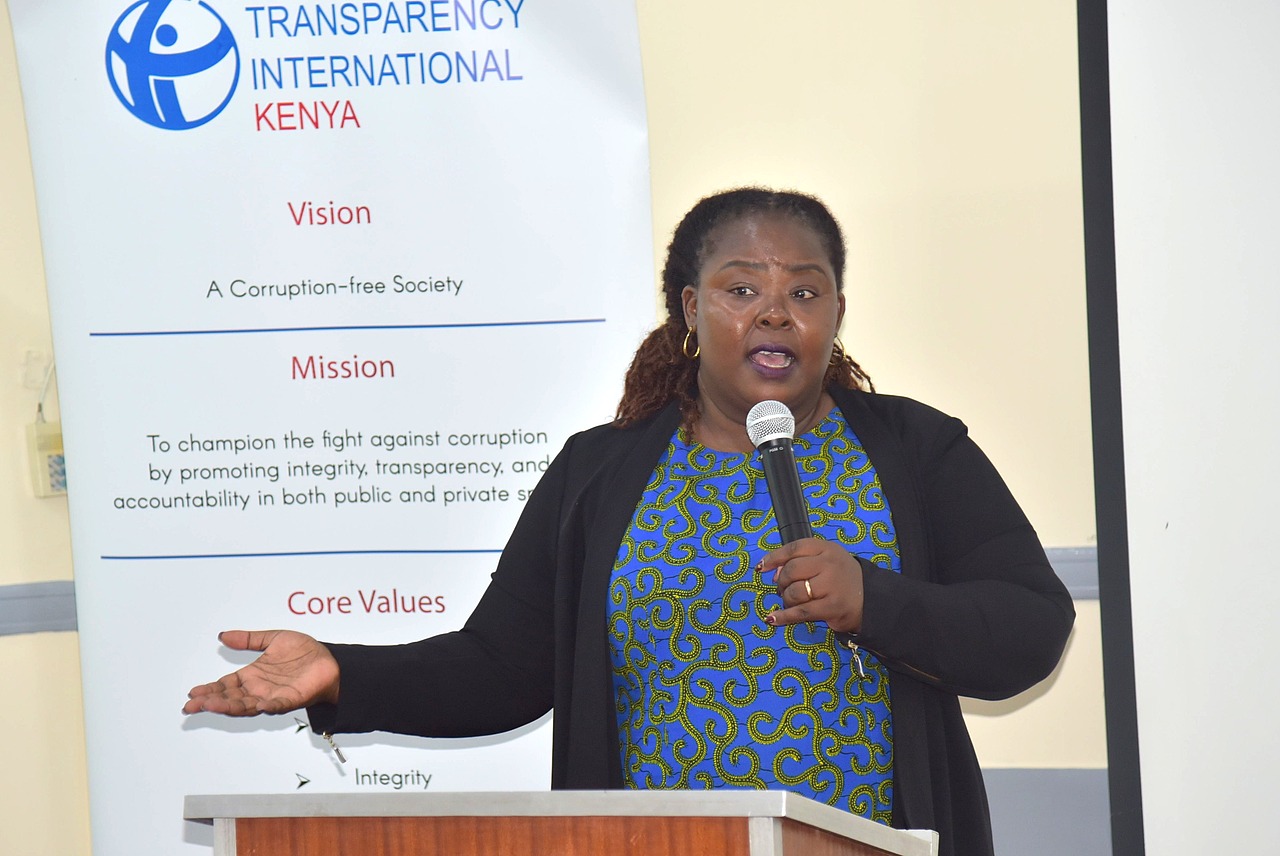
NAIROBI, Kenya
In Kenya, getting a top public job is often less about integrity and more about politics, a new report by Transparency International Kenya reveals.
The study shows that many people appear before parliamentary committees and vetting panels after their appointments have already been secretly agreed upon by political elites.
“In many cases, nominees appear before committees when the outcomes have already been politically negotiated,” the report released on Monday notes.
According to Transparency International, appointments to senior public offices are frequently influenced by loyalty, ethnic balancing, and coalition politics, rather than a candidate’s ethical record or ability to serve the public.
Even though the 2010 Constitution introduced independent commissions and devolved governance to limit centralised power, the report finds that the executive still holds immense influence over who gets key positions.
Vetting often a paperwork exercise
Instead of genuinely examining candidates’ past conduct, vetting focuses largely on tax certificates, wealth declarations, and certificates of good conduct.
“This process has become largely procedural,” the report says, “leaving ethical questions about leadership and accountability largely unexamined.”
Public participation is mostly symbolic
While citizens are invited to give input, the report says public participation rarely affects outcomes.
Hearings and petitions are often treated as formalities, leaving people feeling their voices don’t matter.
Presumption of innocence limits accountability
The study also flags how Kenya’s leadership rules are weakened by the presumption of innocence principle.
People under investigation or facing serious allegations cannot be stopped from taking office unless convicted and all appeals are exhausted, even if their integrity is in question.
Oversight agencies working in isolation
Institutions such as the Ethics and Anti-Corruption Commission, Public Service Commission, and the Office of the Director of Public Prosecutions often operate in silos, with limited coordination.
The report warns that budget constraints and political pressure create a fragmented system where enforcement is inconsistent.
Extra hurdles for women, youth and PWDs
Women, youth, and persons with disabilities face extra challenges. Women nominees often undergo more scrutiny, youth must prove “enough experience,” and persons with disabilities encounter accessibility barriers and tokenistic representation.
Calls for change
Transparency International urges Parliament, the judiciary, and oversight agencies to strengthen enforcement of integrity rules and ensure vetting is free from political influence.
The organisation also calls on civil society, the media, and professional bodies to raise public awareness and demand accountability.
The report concludes that unless political deals stop dominating appointments, Kenya’s leadership vetting system will continue to fall short of the vision of the 2010 Constitution.
To advertise with us, send an email to advert@avdeltanews.world