

When seizures strike: Kenyans take a stand against stigma
- Created by Sande Onyango
- Health News
Experts say triggers such as stress, sleep deprivation, head injuries, or hormonal changes can precipitate seizures.
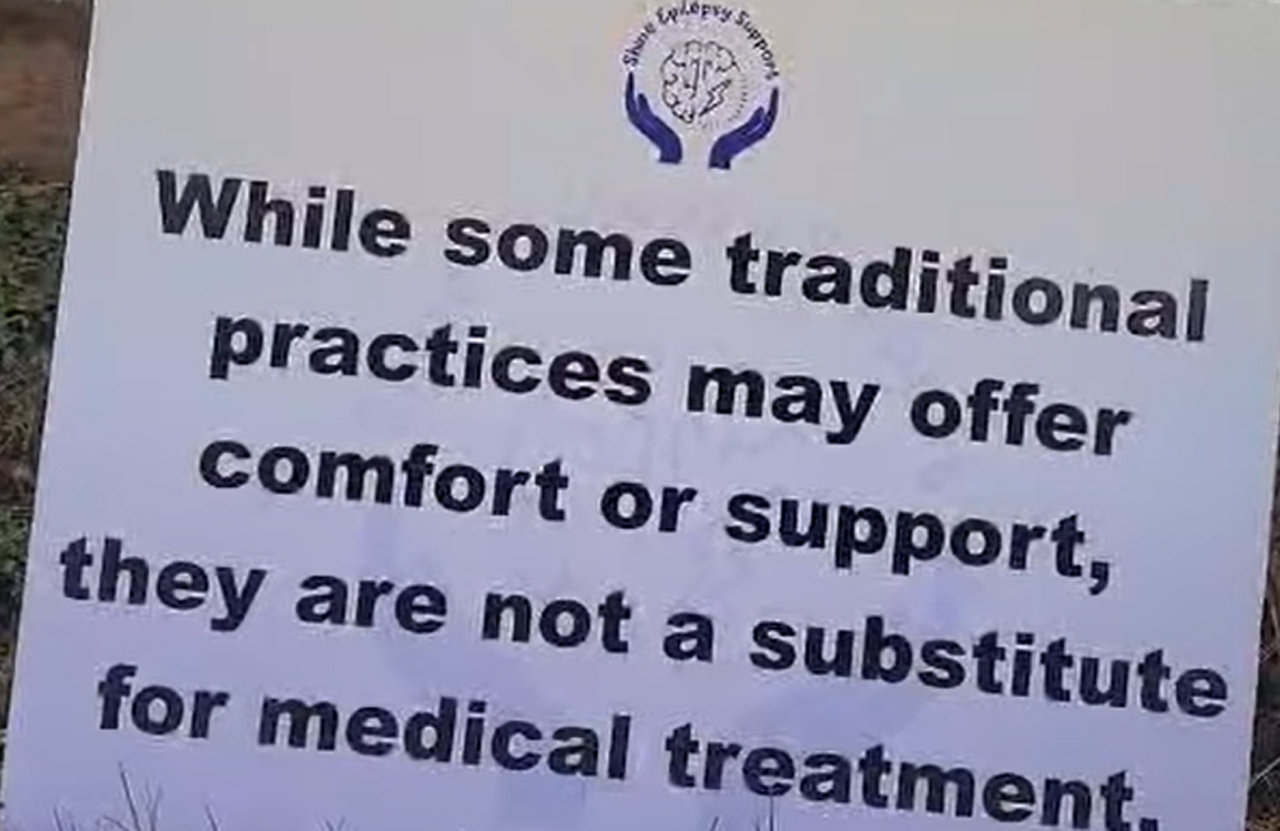
Epilepsy, a neurological condition that causes recurrent seizures, affects millions worldwide.
In Kenya, recent research by KEMRI‑Wellcome Trust shows that up to 80 percent of people with convulsive epilepsy remain undiagnosed or untreated.
The condition occurs when brain activity becomes abnormal, leading to repeated seizures. These can range from convulsions and loss of consciousness to brief staring spells or unusual sensations. While epilepsy is treatable, lack of access to proper care, limited awareness, and widespread stigma have left many patients struggling in silence.
Experts say triggers such as stress, sleep deprivation, head injuries, or hormonal changes can precipitate seizures. Anti‑epileptic medication, when taken correctly, can control seizures in most cases.
Fred Kiserem, 36, from Githurai, Kiambu County, was diagnosed with epilepsy in 2011 while working as a pastry chef. His first seizures struck unexpectedly, leaving him disoriented and frightened. Even routine tasks became uncertain, and nights were particularly difficult.
“I was just 25 years old, in the prime of my life, and suddenly I couldn’t understand what was happening. The seizures came at night, and I was terrified,” Kiserem recalls. “I had no one in my family with epilepsy, so it felt completely unfamiliar and isolating.”
Kiserem underwent multiple magnetic resonance imaging (MRI) scans and electroencephalograms (EEGs) before receiving a formal diagnosis. Accepting the condition was only the first step; he had to learn how to manage it with medication and understanding his triggers. Support from his family, especially his mother and later his wife, helped him navigate the emotional and practical parts of living with epilepsy.
Motivated by his own experience and the lack of understanding he saw around him, Kiserem started a local initiative in Kiambu County. The program links patients to doctors, organizes medical camps where consultations and treatments are provided, and offers vocational training to help people with epilepsy earn a livelihood while reducing stigma.
“We want people to know that having epilepsy doesn’t mean you cannot work or live a normal life,” Kiserem says. “Through our programs, we mix community members with patients to break stigma and show that epilepsy is manageable.”
Another Kenyan driving epilepsy awareness with innovative outreach is Fredrick Beuchi, an advocate whose work goes beyond classroom talks and medical camps. His approach combines physical endurance with public education, turning long‑distance expeditions into platforms for awareness.
Beuchi was inspired to become an epilepsy advocate after seeing his sister struggle with the condition. Witnessing the stigma, misconceptions, and challenges she faced motivated him to take action and raise awareness
In 2018, Beuchi walked approximately 480 kilometres from Nairobi to Mombasa over 12 days, stopping in towns along the way to speak about epilepsy and challenge misconceptions that it is caused by witchcraft or spiritual forces. The journey became a talking point nationwide and helped draw attention to the condition.
Building on that, in 2020 Beuchi took on an even more ambitious challenge. He cycled from Nairobi to Arusha, Tanzania, an uphill journey spanning about 270 kilometres over three days, and after a brief rest, led a climb up Mount Kilimanjaro, Africa’s highest peak.
“I decided to take on the challenge of bridging the gap in epilepsy care and awareness in Kenya because so many people go undiagnosed and untreated,” Beuchi says. “Through initiatives like long‑distance walking and cycling awareness challenges, we reach diverse audiences and spark conversations that standard campaigns often cannot.”
Beuchi’s efforts have earned international recognition, including the Goldenlight Award from the International Bureau for Epilepsy and the Global Epilepsy Ambassador Award, highlighting his decade‑long contribution to raising awareness through bold, high‑visibility campaigns.
While the methods differ, both Kiserem and Beuchi are united by a common goal: to ensure that epilepsy is understood, treated, and no longer shrouded in misinformation. Their work underlines two urgent needs in Kenya, greater access to medical care and public education to dispel deep‑rooted myths.
Through medical camps, community engagement, physical awareness challenges, and personal advocacy, the movement is making epilepsy visible and manageable in ways that ordinary messaging cannot. As awareness grows and stigma falls, more people living with epilepsy are being encouraged to seek proper care and live fulfilling lives.
To advertise with us, send an email to advert@avdeltanews.world