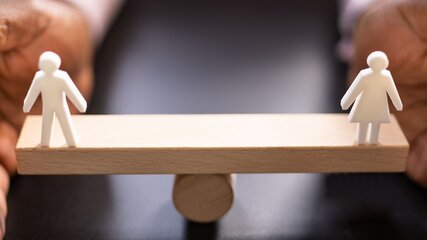

MICHAEL: Addressing Gender Rule is an urgent necessity
- Created by Aloys Michael
- Opinion
» Gender inequality persists across various sectors, affecting economic growth, political stability, and social cohesion.
In recent years, the discussion surrounding gender equality has gained significant momentum globally, but in Africa, the need for urgent action has never been more pressing.
Gender inequality persists across various sectors, affecting economic growth, political stability, and social cohesion.
The challenges posed by unequal gender representation and rights have become increasingly evident, particularly in light of recent events and trends.
One of the most compelling reasons for promoting gender equality is its direct correlation with economic development.
The World Economic Forum’s Global Gender Gap Report highlights that closing the gender gap could significantly increase GDP in many African nations. Women represent a substantial portion of the workforce yet remain underrepresented in decision-making roles and often earn significantly less than their male counterparts.
For instance, in many African countries, women are involved in agriculture, which is a major economic driver.
However, they have limited access to resources such as land, credit, and training.
The Food and Agriculture Organisation (FAO) estimates that if women had the same access to productive resources as men, agricultural output could increase by 20-30 percent, lifting millions out of poverty.
Therefore, prioritising gender equity in economic policies not only enhances women's rights but also drives national economic growth.
Political representation is another critical area where the gender rule needs urgent attention. Despite various commitments to gender parity, women remain vastly underrepresented in political offices across the continent.
For example, as of 2023, Rwanda is celebrated for having one of the highest percentages of women in parliament, at over 60 percent.
However, many other African nations lag significantly behind. Countries like Sudan, where women face legal and cultural barriers, see representation rates below 20 percent.
The recent political unrest in several African countries, such as Sudan and Ethiopia, has highlighted the need for inclusive governance. Women often play vital roles in peace building and conflict resolution.
Their participation can lead to more sustainable and comprehensive solutions to crises. Empowering women politically not only aligns with democratic principles but also fosters stability and social cohesion.
Socially, the persistence of gender-based violence (GBV) remains a grave concern across Africa. Recent reports indicate that the Covid-19 pandemic exacerbated instances of domestic violence, with many women trapped in abusive situations due to lockdowns.
The intersection of GBV with economic instability and political unrest underscores the urgent need for effective policies to protect women’s rights and promote gender equality.
Countries like South Africa have seen an alarming rise in femicides, prompting widespread protests and calls for action. The government’s response has been criticized as insufficient, demonstrating the need for stronger legal frameworks and enforcement mechanisms to protect women. Addressing GBV is not merely a matter of justice but is crucial for overall societal health, as it affects economic productivity, family stability, and community safety.
Education is fundamental to bridging the gender gap. Recent initiatives, such as the African Union’s Agenda 2063, emphasize the importance of education for girls and women as a means to empower them economically and socially. Despite some progress, millions of girls remain out of school due to cultural norms, early marriages, and economic barriers.
For example, in Niger, the rate of girls attending secondary school is among the lowest in the world. Such disparities perpetuate cycles of poverty and limit women's contributions to society. Investing in girls’ education leads not only to individual empowerment but also to broader societal benefits, including reduced child mortality rates and improved economic stability.
The international community increasingly recognizes the need for gender equality as part of sustainable development goals. African nations must leverage global partnerships and funding opportunities to implement gender-sensitive policies. The recent initiatives by organisations like UN Women and the African Development Bank illustrate how targeted investments can yield significant returns in gender equity.
Moreover, regional collaborations, such as the African Union’s Gender Strategy, provide frameworks for member states to adopt and implement gender-responsive policies. By sharing best practices and resources, African countries can accelerate progress towards gender equality.
Addressing the gender rule is not just a matter of social justice; it is an essential component of sustainable development in Africa. Economic growth, political stability, and social cohesion hinge on the equitable treatment of women and the removal of barriers to their participation in all facets of life.
The current state of gender inequality in African countries presents both challenges and opportunities. By prioritizing gender equity through legislation, education, and economic empowerment, African nations can forge a more inclusive and prosperous future for all citizens. The time for action is now; the well-being of entire societies depends on it.
Aloys Michael
+254706970413
Kenyan Freelance Journalist who comments on Governance and Security Issues
Nairobi