

Kenya moves to local BRCA genetic testing, speeding up cancer diagnosis
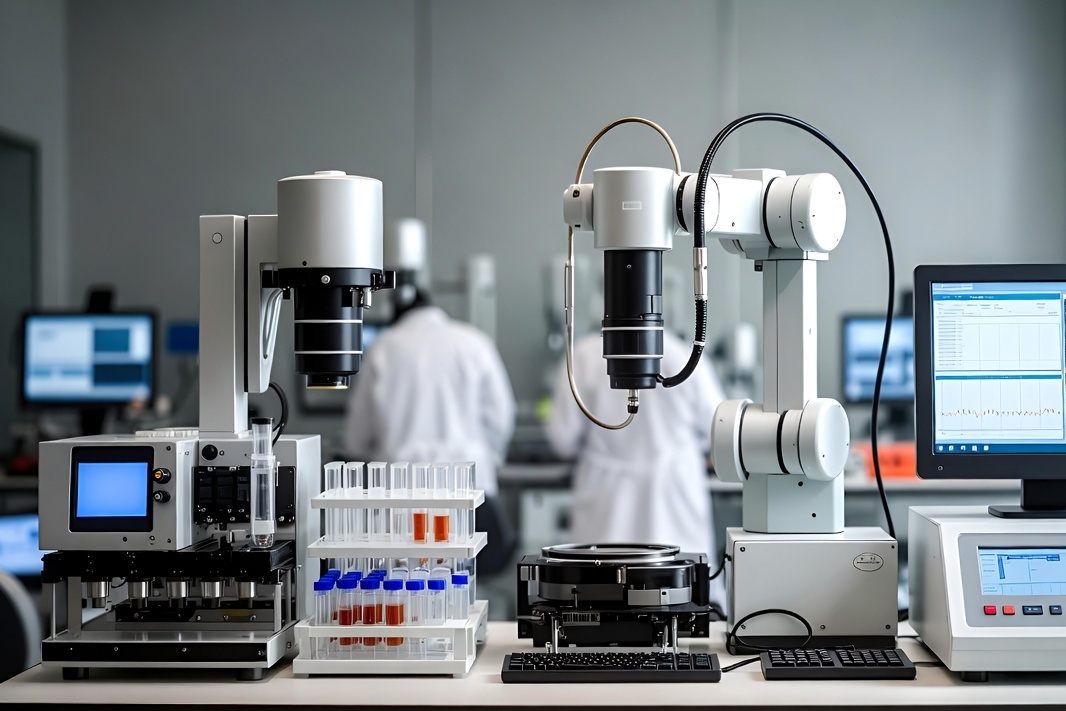
BRCA testing allows clinicians to identify hereditary risks early and guide targeted treatments effectively. Photo/AVDelta
Kenya has historically relied on overseas laboratories for BRCA gene testing, leaving breast, ovarian, and prostate cancer patients facing long delays and high costs.
The lack of local capacity has limited timely diagnosis and access to targeted therapies, and many Kenyans remain unaware of hereditary cancer risks.
Health experts say the gap has hindered patient care and the broader adoption of precision oncology, which depends on genetic insights to guide treatment decisions.
At a recent programme hosted by AstraZeneca, the Kenya Society of Haematology & Oncology (KESHO), and The Pathology Network, on Friday, stakeholders unveiled plans to offer local BRCA testing for the first time in Kenya.
BRCA refers to genes called BRCA1 and BRCA2, which help repair damaged DNA. Mutations in these genes significantly increase a person’s risk of developing certain cancers, including breast, ovarian, and prostate cancer. Testing allows clinicians to identify hereditary risks early and guide targeted treatments effectively.
The service is expected to reduce diagnostic delays and allow patients quicker access to life-saving therapies. It will be available at select laboratories in Kenya at a subsidised rate of Sh6,500, eliminating the need to send samples abroad.
Experts say the rollout could improve survival rates and expand access to precision therapies, marking a key milestone in Kenya’s fight against cancer.
President, Kenya Society of Haematology & Oncology (KESHO) Dr Gladwell Kiarie, said the rollout represents a turning point for cancer care, providing clinicians with faster insights to guide treatment decisions for patients at risk of hereditary cancers.
“Local testing means we can identify high-risk patients earlier and ensure they are monitored and treated appropriately,” Dr Kiarie said.
The CEO at National Cancer Institute Kenya Dr Elias Melly, said that the initiative is part of a broader strategy to make precision medicine widely available across hospitals, strengthening the country’s cancer care framework.
“This initiative is not just about testing; it’s about building a foundation for preventive and personalized cancer care nationwide,” Dr Melly said.
According to Consultant Clinical Oncologist at Kenyatta National Hospital Dr Njoki Njiraini, the previous delays in receiving results from overseas laboratories often slowed treatment decisions for patients needing targeted therapy.
“With results available in weeks, we can now match patients with therapies that are specifically effective for their genetic profile,” Dr Njiraini said.