
Kwale launches children's rights advisory board

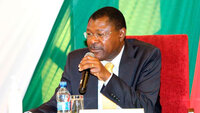
Mr George Baya, Director of Kidscare Kenya, addressing the media during the launch of Children's Rights Advisory Board. Photo/Mishi Gongo
Kwale County government in collaboration with Kidscare Kenya have launched a Children's Rights Advisory Board.
The initiative aims to tackle the alarming issues of neglect and abuse that many children with disabilities experience in rural areas.
Recent reports have highlighted that numerous cases of children with disabilities, often hidden from community life, have come to light.
Many of these children are kept at home, deprived of basic rights such as education and protection.
The advisory board seeks to provide essential guidance to the government and advocacy groups in addressing these challenges.
Chair of the Lunga Lunga Social Advisory Board Bakari Chilungo, emphasized the importance of awareness.
“We are committed to sensitising the community about the rights of children, particularly those with disabilities. It is crucial that we bring these issues to light and ensure that every child is afforded the dignity and support they deserve,” Mr Chilungo stated.
On his part, the Director of Kidscare Kenya George Baya, elaborated on the scope of the initiative, which will initially focus on Lunga Lunga, but will expand to cover all four(4) sub-counties of Kwale County.
“Our programme is designed to ensure that children living with disabilities are not just seen, but are actively included in our society. We aim to advocate for their rights and work towards their well-being,” Mr Baya explained.
The launch of the advisory board comes in response to a growing concern over the treatment of children with disabilities in the region.
Many families, often lacking awareness of their rights, resort to settling cases of abuse at home, further perpetuating a cycle of silence and neglect.
“We must break this cycle and encourage families to seek help and report cases of abuse,” Mr Chilungo urged.
The advisory board will work closely with local stakeholders to develop strategies that enhance the protection and rights of children with disabilities.
This includes educational programmes, support services, and community outreach initiatives designed to empower families and raise awareness about the importance of inclusion.
“This is just the beginning. We are looking at long-term solutions that will not only address immediate concerns but also create a supportive environment for these children to thrive,” Mr Baya added.