
Nyamira governor impeachment to be heard in plenary

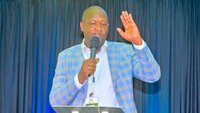
Nyamira Governor Amos Nyaribo. Photo/Amos Nyaribo via X
The full Senate will hear the impeachment case against Nyamira Governor Amos Kimwomi Nyaribo after a bid to form an 11-member special committee to investigate the charges collapsed on Thursday.
Senators will now examine the allegations in plenary, with hearings scheduled for Wednesday, 3 December, and Thursday, 4 December 2025.
This will give every senator a direct role in scrutinising both the charges and the governor’s defence.
The impeachment was triggered by a resolution of the Nyamira County Assembly, where 23 MCAs voted to remove Governor Nyaribo from office.
The motion was forwarded to the Senate as required by law, which mandates that a county governor facing removal must first be impeached by the county assembly.
Senate Speaker Amason Jeffah Kingi had on Wednesday issued a notice summoning senators to a special sitting under Article 181 of the Constitution, Section 33(3)(a) of the County Governments Act, and Standing Order 80(1)(a).
The move from a special committee to a plenary hearing followed a decision by Senate leadership to withdraw the motion for a select panel after it failed to attract sufficient support.
During the hearings, senators will hear submissions from the Nyamira County Assembly, which will prosecute the charges, and from Governor Nyaribo’s legal team.
The process will scrutinise both the substance of the allegations and the validity of the county assembly vote, making the outcome uncertain and closely watched.
The Senate will then decide whether the allegations meet the constitutional threshold for removal.
The Clerk of the Senate is expected to issue detailed procedural directions ahead of the hearings.
Mr Nyaribo’s impeachment highlights the hurdles facing governors facing removal.
In August 2025, Kericho Governor Erick Mutai survived a similar process after the county assembly passed an impeachment motion with 33 out of 47 MCAs voting in favour.
The Senate, however, blocked the proceedings on procedural grounds, ruling that the voting process did not meet the required threshold.
The Kericho case showed that even when a county assembly approves impeachment, the Senate can halt removal if legal and procedural requirements are not fully met.