
Parliament pays tribute to Prof Ngugi, calls for national recognition of his legacy
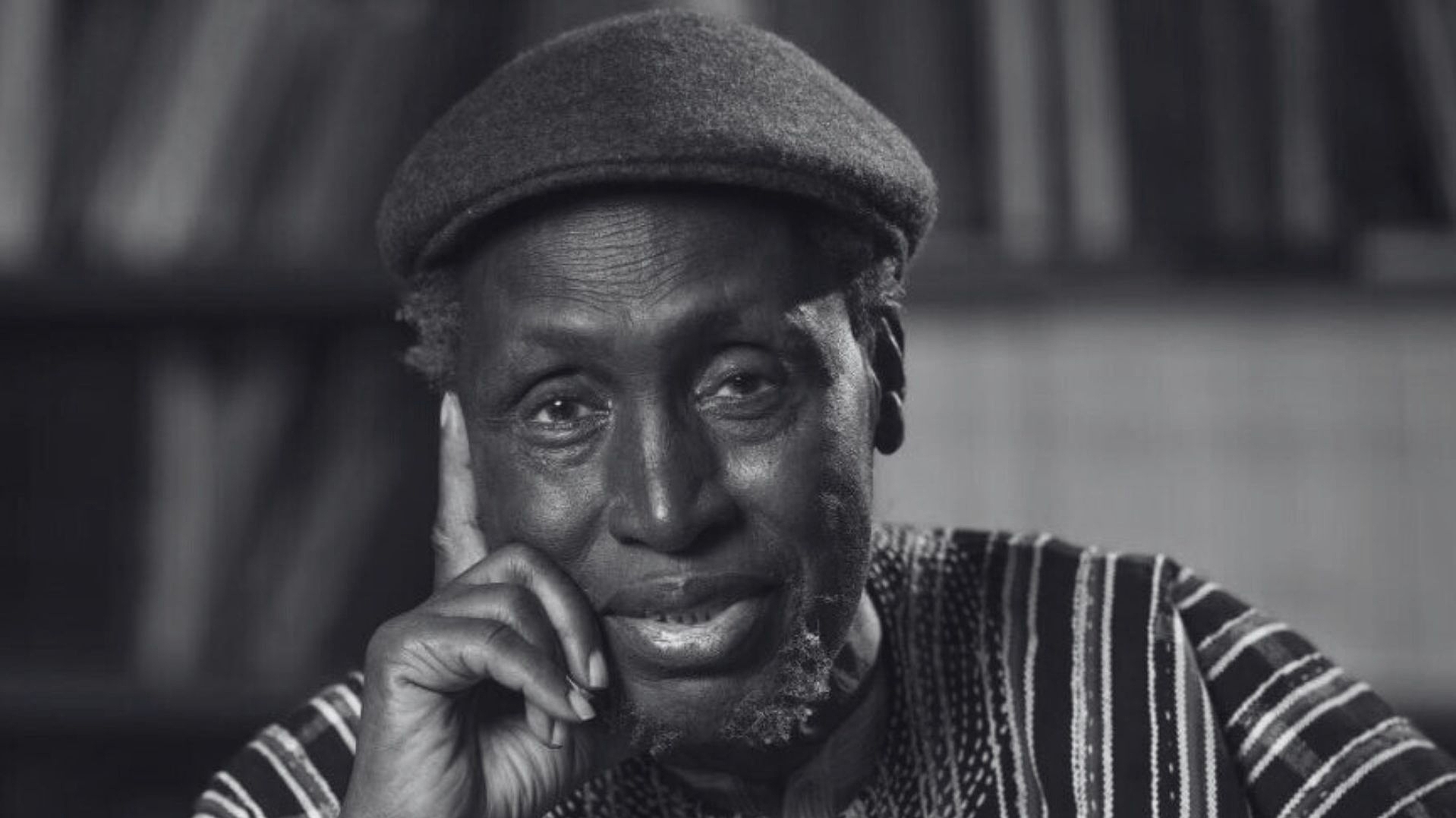
The late Prof Ngugi wa Thiong'o. Courtesy photo
Parliament on Tuesday afternoon set aside a section of its session to pay tribute to the late Kenyan literary giant, Prof Ngugi wa Thiong’o, who passed away on May 28, 2025 in California aged 87.
Members of the National Assembly took turns to honour the celebrated author, academic, and freedom fighter, whose life and work left an enduring mark on literature, language, and the struggle for justice.
Majority Leader Kimani Ichung’wah led the tributes, recalling his shared heritage with Prof Ngũgĩ.
“I’m proud to have attended Alliance High School, where Prof Ngugi also studied. I also come from Kiambu County, the home of this great intellectual,” Ichung’wah said.
He urged the government to upgrade the Kamirithu Cultural Centre in Limuru, where Ngugi launched his landmark experiments in community theatre during the 1970s.
Limuru MP John Kiragu Chege, who represents the late author’s home constituency, said he first encountered Ngugi while he was a lecturer at the University of Nairobi.
“It is an irony, Mr Speaker, that while Prof Ngugi was celebrated across the world, he was repeatedly persecuted in his own country. I hope his children will not suffer the same fate,” Mr Chege said.
Kilgoris MP Julius Sunkuli highlighted the painful legacy of colonial repression that shaped Ngugi's life.
“He dropped his Christian name, James, after British colonialists burnt down his parents’ home. His journey as a writer and activist was born out of resistance,” said Sunkuli.
Suba North MP Millie Odhiambo praised Ngugi’s portrayal of women in his novels.
“Mr Speaker, I have read some of his books, especially The River Between. Prof Ngugi gave voice to women’s struggles and placed them at the centre of his stories. He was a writer who valued and respected women,” she noted.
Prof Ngugi, author of Weep Not, Child, Petals of Blood, Devil on the Cross, and Decolonising the Mind, was globally recognised for his commitment to writing in African languages and for challenging colonial and neo-colonial systems. His work was widely translated, studied in universities worldwide, and celebrated for its deep moral and political insight.
As calls grow for a national monument or institution to honour his legacy, Tuesday’s tributes marked the beginning of what many MPs described as a long-overdue recognition of one of Kenya’s greatest minds.