

Devki Steel Mills settles Sh1.6bn VAT dispute out of court
- Created by Philip Muyanga
- Top News
The High Court in Mombasa heard that Devki Steel Mills, Treasury CS, and KRA had settled the Sh1.6 billion exempted VAT dispute out of court.
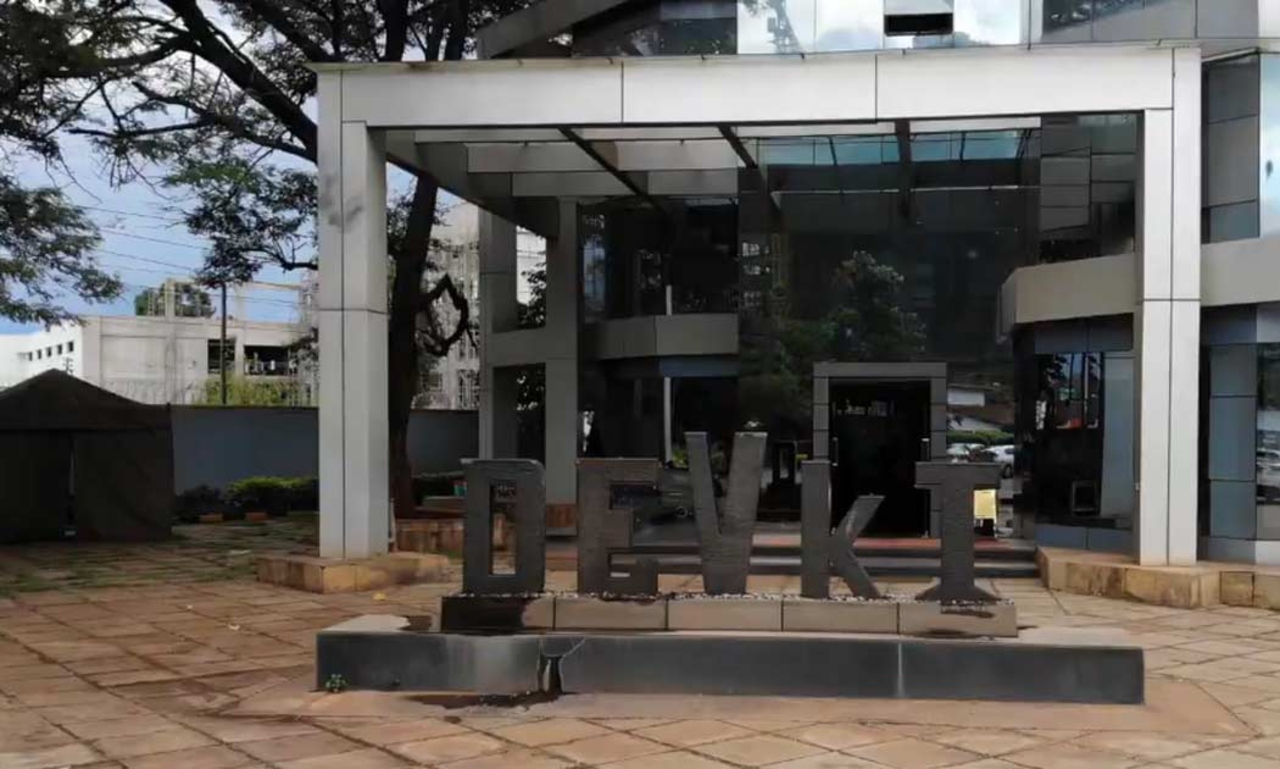
A case in which Devki Steel Mills Ltd has sued Treasury Cabinet Secretary and Kenya Revenue Authority (KRA) seeking to have them restrained from claiming Sh1.6 billion as Exempted VAT has been settled out of court.
The High Court in Mombasa, on Tuesday, February 24, 2026, heard that a meeting had been held between Devki Steel Mills, Cabinet Secretary Treasury and KRA where the matter was settled.
“I allow the matter to be withdrawn with no orders as to costs, each party to bear its own costs, the file is marked as closed,” ruled Justice Florence Wangari.
Devki Steel Mills Ltd is associated with billionaire businessman Narendra Raval.
Before the orders were issued to have the case withdrawn, lawyer John Bwire had told the court that information from his client (Devki Steel Mills Ltd) was that they had a meeting with the CS Treasury and KRA and that the case was settled.
On his part, lawyer Ngetich Kipng’eno told the court that as per their brief from their client (KRA) the matter had been settled.
Devki Steel Mills Ltd had sought to have the taxman and the CS Treasury restrained from claiming Sh1.6 billion as Exempted VAT on plant and machineries which it had imported for the establishment of a mega steel factory.
The company also sought to bar the CS Treasury from reneging on its undertaking of June 29, 2020, to pay the Exempted VAT to KRA.
Devki Steel Mills Ltd also sought to bar the taxman from claiming from it the Exempted VAT.
It wanted among other orders a permanent injunction restraining the CS Treasury and KRA from claiming or demanding Sh1.6 billion, penalties and interests as stated in the taxman’s letter dated September 6, 2024.
Devki Steel Mills Ltd said the decision by the CS Treasury and KRA to demand VAT four years after exemption when it is statutorily barred from claiming input VAT was unlawful, unfair, unreasonable, unjust and goes against the express provisions of Article 47 of the constitution.
The company argued that the decision by the defendants to withdraw their own decision allowing it tax exemption after four years was unlawful, null and void.
Devki Steel Mills Ltd said that the VAT exemption given by the CS Treasury was already utilized and goods released thus his decision to withdraw the undertaking was late and had been overtaken by effluxion of time.
“The decision by the defendants to go against their representation and undertaking to the plaintiff violates the plaintiffs’ legitimate expectation that it was exempted from paying taxes,” part of the suit documents stated.
Devki Steel Mills Ltd also argued that the decision to specifically target it was discriminatory and unlawful.
“The plaintiff has tried everything within its means to settle this matter amicably, but the defendants have refused making the filing of this suit necessity, “argued Devki Steel Mills Ltd.
It argued that the amount sought to be recovered by the defendant was so huge that unless they were retrained, it would be completely removed out of business rendering the case nugatory.
According to the company, it wrote a letter on June 23, 2020, to the CS Treasury requesting VAT exemptions on plant and machineries.
Devki Steel Mills Ltd claims that the VAT exemption was necessitated by lack of cash flow during the economic recess resulting from Covid-19 pandemic and that the steel factory was and still is a strategic investment that would spur economic growth.
“The request for application went through the CS Treasury’s approval process and by a letter, the CS wrote to KRA informing it that he has authorized VAT exemption of plant and machineries,” argued the company.
The company said that the CS Treasury in the letter expressly undertook to pay the VAT on the plant and machinery imported for the implementation of the mega steel project factory.
Devki Steel Mills Ltd said that upon approval of the exemption, KRA wrote to it informing that the government had undertaken to pay VAT due on the plant and machinery and advised it to proceed to release the goods on VAT free basis.
“The plaintiff cleared all the plants and machineries imported, commenced the steel factory which now processes steel locally and has employed close to 10,000 people,” part of the suit documents stated.
The company said that it has been operating the factory peacefully until when it received a demand letter from KRA to the effect that it (KRA) had conducted an audit and established that Sh1.3 billion VAT which it had been exempted was yet to be remitted by the CS.
Devki Steel Mills Ltd said that it wrote a letter to KRA objecting to the claim and further advised it that the tax exemption if owing is as per the undertaking payable by the CS Treasury.
It said that KRA went silent only to reappear after a year through a letter dated September 6 informing it that the CS has not honoured its undertaking and that it (company) should immediately pay the tax exemption plus interest and penalties totalling to Sh1.6 billion.
Devki Steel Mills Ltd said that it wrote to the Treasury CS requesting for intervention to resolve the issues.
However, it said that in a complete twist of events and in breach of its own approval for exemption and written undertaking, the CS by a letter dated October 2 purportedly withdrew its undertaking on the grounds that there were no legal provisions supporting the undertaking and that it (company) should pay the tax being demanded by KRA.
The company was also seeking a mandatory injunction compelling the CS Treasury to forthwith settle the Sh1.6 billion with the KRA.
It was also seeking a declaration that the undertakings issued by the CS Treasury and a letter by KRA created a legitimate expectation on its part that VAT was exempted and the defendants are stopped from going against their undertakings.
In its statement of defence, KRA said that before the Finance Bill 2020 came into effect, the Plant Machinery of chapter 84&85 of the VAT tax were exempted from the import tax.
It said that the alleged undertaking lacked the signature of the responsible CS which is a critical element of its validity.
"The absence of the signature raises concerns regarding the authenticity and legitimacy of the undertaking, given the substantial tax liabilities involved it is essential that all procedural requirements including proper authorization are fully met,” said KRA.