

Kenyan teen skier Issa Gachingiri eyes 2030 Olympics glory
- Created by Jeff Olubuyi
- Sports Extra
At 18, Issa Gachingiri Laborde-Dupéré competed for Kenya at the 2026 Winter Olympics in Italy while pursuing school, elite alpine skiing, and ski instructor certification to build the nation’s winter sports future.
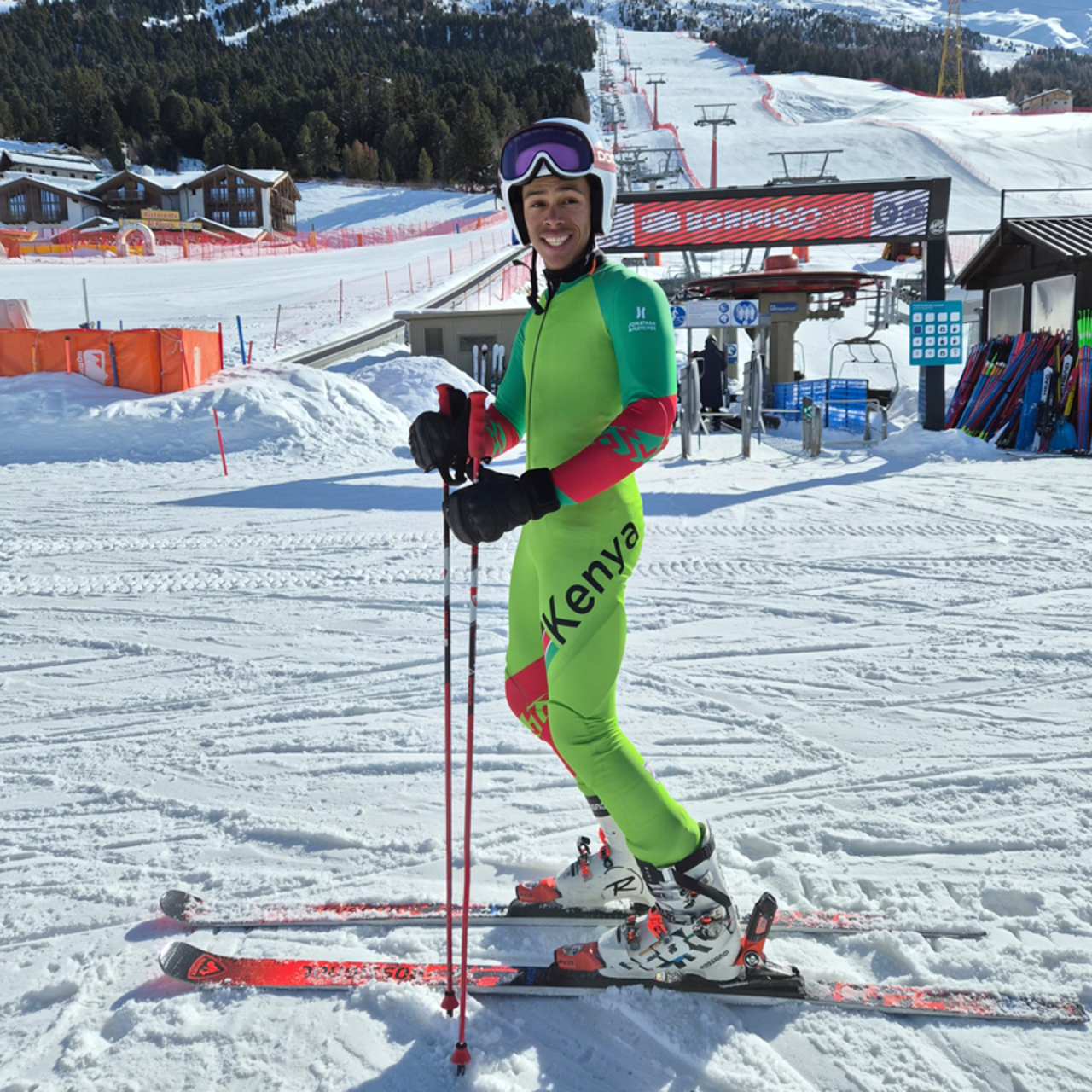
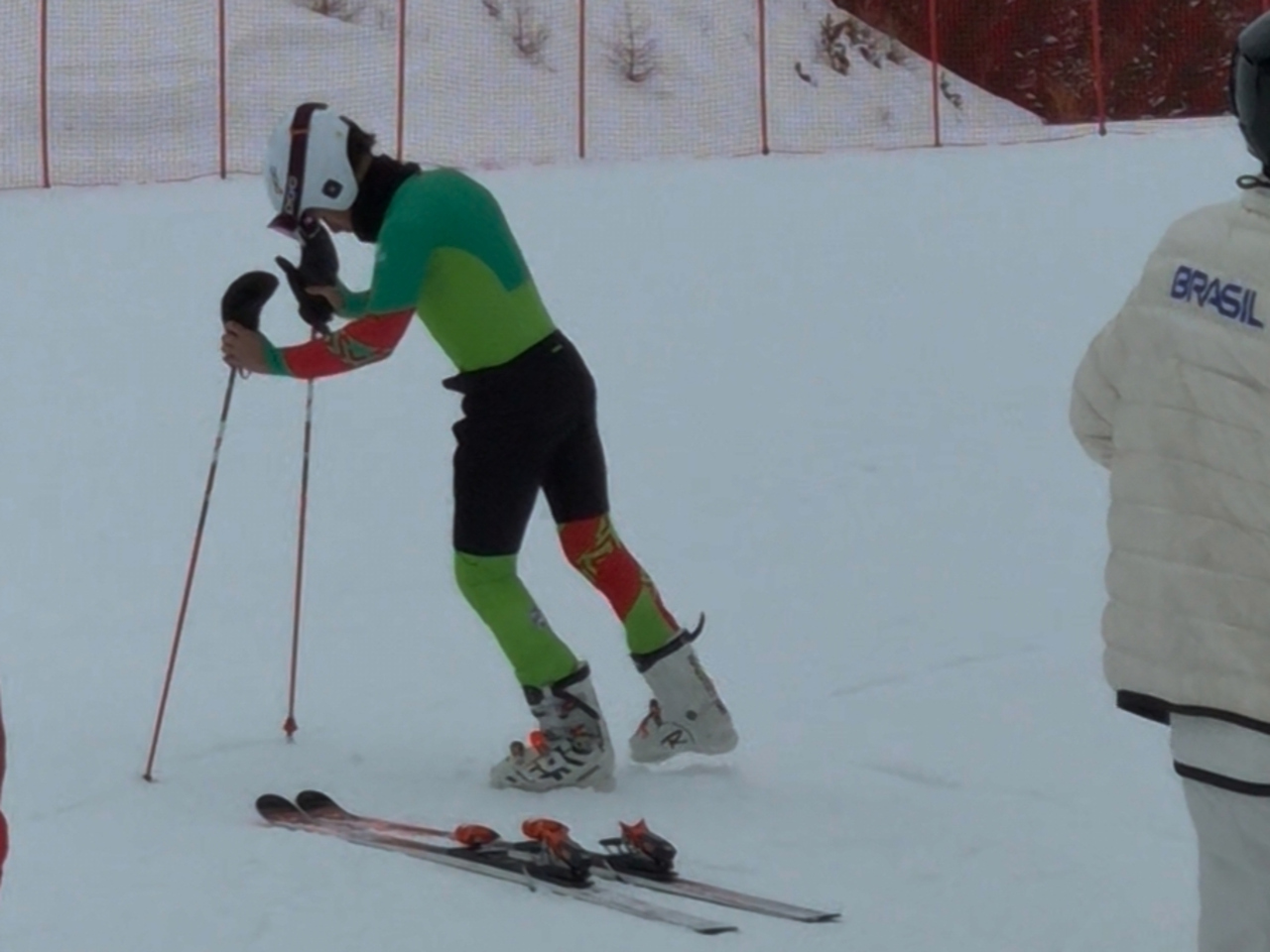
At just 18 years old, Issa Gachingiri Laborde-Dupéré is balancing a remarkable triple pathway: finishing the final year of his secondary education, competing in elite alpine skiing for Kenya, and beginning a coaching and instructor career in the sport.
Fresh from representing the country at the 2026 Winter Olympics in Italy, the young skier is already thinking far beyond his debut appearance. Alongside his competitive ambitions, Gachingiri has started the long certification process required to become a professional ski instructor, a journey that reflects his commitment not only to personal success, but also to building the foundations of winter sports for Kenya’s future.
“It is just the beginning of something bigger,” Gachingiri says of the Olympic experience. “We work a lot. My mum works a lot for the Federation. Now we need to structure things for the future.”
Born and raised in France to a Kenyan mother and French father, Gachingiri trains in Europe, but competes internationally under the Kenyan flag. His journey reflects the increasingly global nature of modern sport, where athletes often develop their skills far from the countries they represent.
His appearance on the Olympic slopes attracted considerable attention. Kenya is globally associated with distance running rather than snow sports, and seeing the Kenyan flag racing down alpine courses often surprises spectators accustomed to European dominance in skiing.
“People saw in 2026 that Kenya belongs,” Gachingiri notes confidently. “Kenya can do really great things in winter sports.”
Gachingiri is part of a small, but growing movement of Kenyan winter athletes competing internationally. Among them is Italy-born cross-country skier Ashley Ongonga, another teenager racing for Kenya on the global stage.
Together they follow in the footsteps of pioneers who first carried the Kenyan flag into winter sport. These include 27-year-old Sabrina "Snow Leopard" Simader, the Kenyan-Austrian alpine skier who competed in multiple Olympic Games, and Philip Boit, the legendary cross-country skier who made history at the 1998 Winter Olympics in Nagano, becoming Kenya’s first Winter Olympian.
For Kenya, winter sports remain largely unexplored territory. The country has no natural snowfields, no domestic ski resorts and no established winter sports infrastructure. Athletes must therefore train abroad, navigating complex logistical and financial challenges in order to compete.
Behind Gachingiri’s journey is a deeply personal support system. His mother, Josephine Laborde, plays a key role in the development of Kenya’s winter sports structures and has been actively involved in federation activities aimed at expanding opportunities for young athletes.
Gachingiri hopes that the federation can strengthen collaboration with the National Olympic Committee of Kenya (NOCK) to create a clearer development pathway for future competitors.
“We can collaborate with NOCK in the future to structure the project better,” he explains. “To have better conditions. To grow.”
Despite already competing at the highest level, Gachingiri remains a secondary school student. He is completing his final year at Lycée Agricole Public Reinach in La Motte-Servolex, France, where he is enrolled in a specialised sport-study programme designed to accommodate high-performance athletes.
The programme allows students to combine academic work with intensive training schedules. During the winter season (from November to April) ski athletes are largely released from regular classes to focus on training and competitions across Europe. They attend only limited classroom sessions during this period, completing much of their academic work independently.
Full-time classroom learning resumes in May and continues through the end of the school year.
Alongside school and elite sport, Gachingiri has also begun preparing for a professional future in skiing through an instructor apprenticeship. The programme introduces athletes to mountain safety, risk management, rescue fundamentals and teaching techniques, essential skills for those working in alpine environments.
He has already completed the first step in the certification pathway required to become a ski instructor or coach. This initial qualification allows him to assist with teaching beginner skiers and begin earning modest income while continuing his own training.
The full pathway, however, is demanding. In France, approximately eight levels of certification must be completed before someone becomes a fully licensed professional instructor capable of coaching independently.
For Gachingiri, the experience is about more than employment. It also provides valuable insight into the technical side of skiing and offers a way to remain connected to the sport long after his competitive career ends.
Turning 18 represents an important milestone in his development as an athlete. It also opens a crucial period in his competitive trajectory. By the time the 2030 Winter Olympics arrive, Gachingiri will be 22 years old, an age when many alpine skiers begin entering their peak competitive years.
“The target is clear,” he says. “To do my best in these four years and reach the best level I can have in 2030.”
Yet Gachingiri’s ambitions extend beyond personal results. He hopes his generation can help Kenya develop a stronger presence in winter sport and inspire other young athletes to follow similar paths.
“We want to grow as a nation of winter sports,” he explains. “Alpine skiing is already here with me. There is also cross-country with Ashley. I hope there are other guys after me who take the lead.”
The challenges remain significant. Without domestic snow or established winter training facilities, Kenyan athletes must rely on international partnerships and overseas training environments. But that global pathway may ultimately become an advantage, blending international expertise with national ambition.
As Gachingiri prepares for university and intensifies his training schedule, he carries more than skis on his shoulders. He carries the legacy of those who first brought Kenya into winter sports and the responsibility of inspiring those who may one day follow.
From the French Alps, Issa Gachingiri is not simply racing downhill.
He is helping carve a bold new chapter in Kenya’s sporting story, proving that even a nation without snow can leave its mark on the ice.