

Day 6: Why is Artemis II today’s biggest space story around the world and beyond?
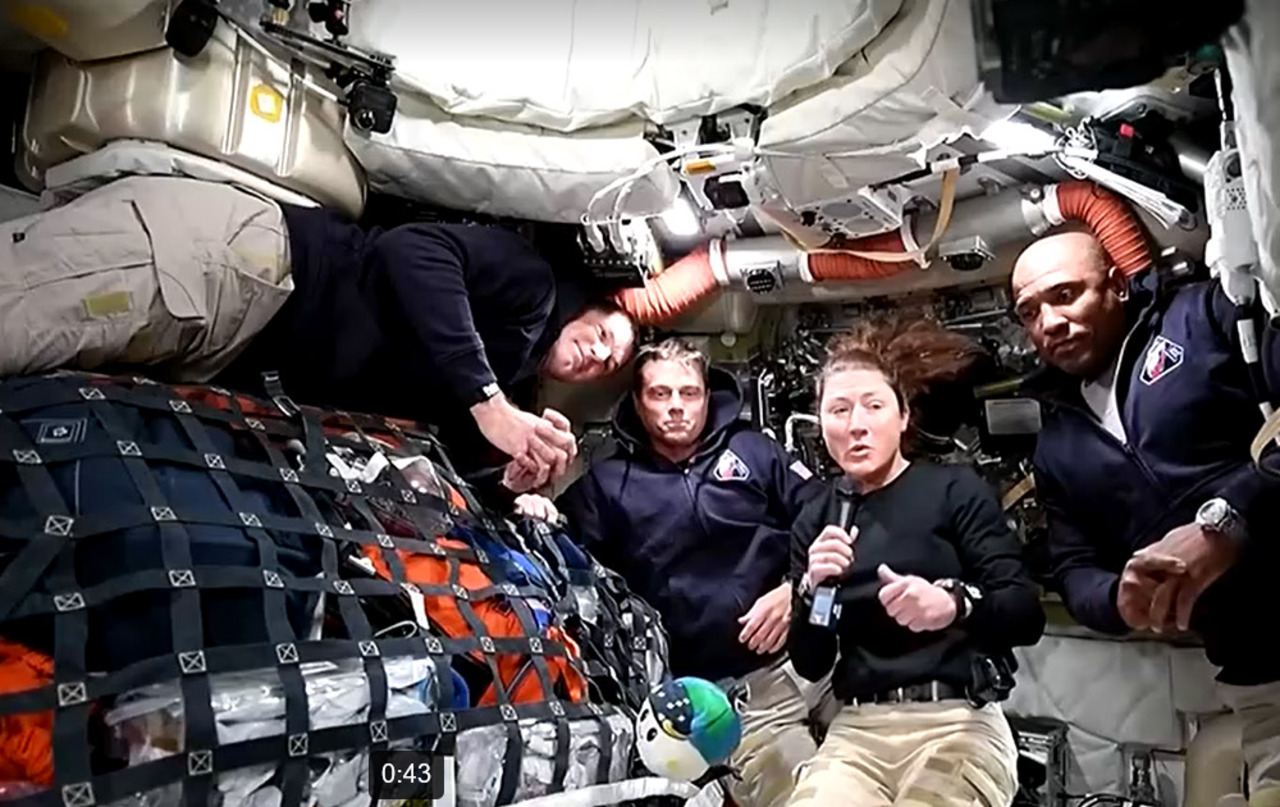
Today Monday, April 6, 2026, marks the first time in over 50 years that astronauts are flying around the Moon — not landing, but looping around it and returning safely to Earth.
This crewed lunar flyby is a historic milestone in human space exploration and a key step toward future Moon landings and Mars missions.
What does “going behind the Moon” mean?
As Artemis II swings around the far side of the Moon, there’s a moment when Earth and NASA’s antennas can’t “see” the spacecraft — that’s the communications blackout.
It’s expected to last about 40 minutes as Orion moves out of radio contact while passing out of Earth’s line of sight.
This doesn’t mean disaster — it’s planned. It’s simply the Moon blocking all radio signals between Earth and the spacecraft for a short time — like when a hill blocks GPS signal.
When can Kenyans watch Artemis II go behind the Moon?
NASA’s livestream doesn’t cut out during the blackout — coverage continues around it.
Here’s the digestible schedule in Kenya time (East Africa Time — EAT):
Live coverage starts: ~8:00 p.m. EAT (April 6) — NASA begins streaming the flyby on NASA+, YouTube and major platforms.
Lunar observation begins: ~9:45 p.m. EAT — crew begins seeing near and far side of the Moon.
Communications blackout (behind the Moon): (bullets)
~1:44 a.m. EAT (April 7) — Orion passes the Moon’s far side; Earth “disappears” from view briefly.
Closest lunar approach: ~2:02 a.m. EAT (April 7) — Orion within about 6,500 km (4,070 mi) of the lunar surface.
📞 Signal returns: ~2:25 a.m. EAT as the spacecraft comes back into direct view of Earth stations.
Where can you watch it?
You don’t need a telescope — you can watch the lunar flyby live:
Live streams:
- NASA’s official YouTube channel
- NASA+ (often free)
- Netflix live stream for many regions
- Prime Video, Hulu, Apple TV, HBO Max, Roku in some markets
- European and international streams online
Multiple outlets are broadcasting the event with commentary and graphics.
How long will it last?
The flyby broadcast will stretch for several hours, starting hours before the Moon pass and ending after the spacecraft completes its return observations — roughly 8 p.m. to 2 a.m. (Kenya time).