

Iran’s supreme leader Khamenei killed in US–Israel airstrike, region on edge
- Created by AVDelta News Reporter
- Top News
With Khamenei gone, retaliation already underway, and regional tensions at an all-time high, the Middle East faces a pivotal moment where the next move by Tehran, Washington, or Tel Aviv could determine the course of the region--and potentially the world.
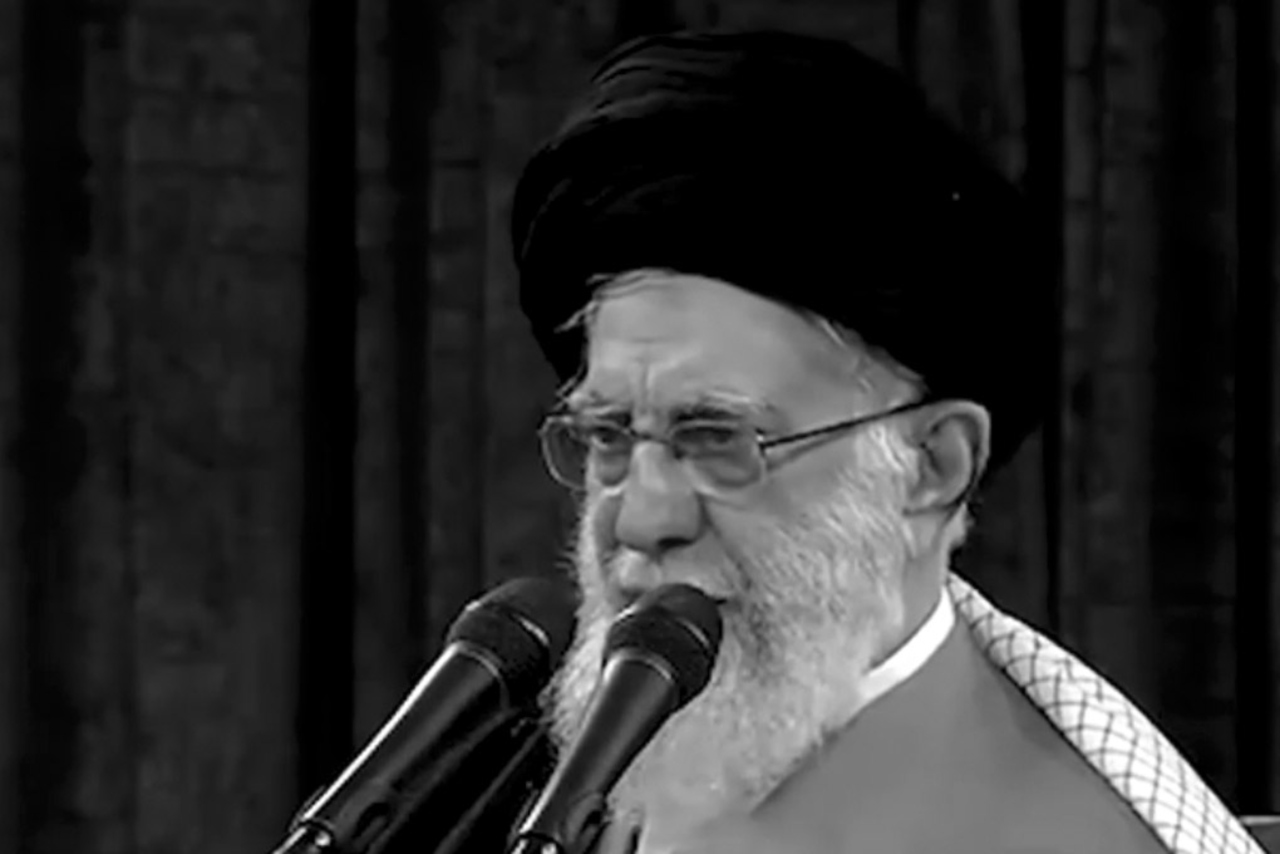
Iran’s Supreme Leader Ayatollah Ali Khamenei has been killed following a coordinated United States–Israel airstrike targeting key Iranian leadership and strategic military facilities, according to Iranian state media and multiple international reports.
The attack marks one of the most significant escalations in Middle East tensions in decades.
Khamenei, 86, had led the Islamic Republic since 1989 and was the nation’s ultimate authority, controlling the military, judiciary, and foreign policy.
His death instantly creates a leadership vacuum at the top of Iran’s political and religious hierarchy, prompting questions over succession and the country’s future stability.
Airstrike and retaliation
The joint strike reportedly hit several high-level military and leadership sites in Iran. U.S. and Israeli officials described the operation as targeting Iran’s nuclear infrastructure and military command centers, aiming to curb Tehran’s regional influence.
Within hours, Iran launched retaliatory missile and drone attacks on Israeli positions and US assets across the Gulf region. Several countries hosting American military facilities heightened security amid concerns of further escalation.
Regional and global impact
The killing of Iran’s Supreme Leader has already caused global shock. Oil prices surged due to potential disruption of Gulf shipping routes, and international leaders have called for immediate de-escalation to prevent a wider regional conflict.
Analysts warn that the airstrike could trigger:
- Expanded military confrontations between Iran and Israel
- Escalating tensions involving US and Gulf allies
- Disruption of global energy supply
- Heightened internal political instability in Iran
Domestic reaction
Inside Iran, the government declared 40 days of mourning. Social media reports show a mixture of grief, fear, and in some areas, quiet celebration.
Citizens remain wary as the Islamic Revolutionary Guard Corps (IRGC) and other security organs consolidate control amid uncertainty over succession.
Succession and uncertainty
Khamenei’s death leaves the Assembly of Experts, Iran’s clerical body responsible for appointing a new Supreme Leader, in the spotlight. Analysts say the IRGC will likely influence the appointment, making the next leader’s alignment with military and security interests a critical factor in maintaining order.
The coming days will determine whether Iran stabilizes under new leadership or faces internal conflict and further regional escalation.
To advertise with us, send an email to advert@avdeltanews.world