
Kenya marks World AIDS Day with warning over rising infections among adolescents

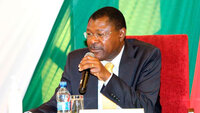
Prime Cabinet Secretary Musalia Mudavadi. Photo/Courtesy
As Kenya marked World AIDS Day, the writing is on the wall that the country risks losing gains made in the fight against HIV unless the rising infections among adolescents and young people are urgently addressed.
The Government, through a message delivered by Prime Cabinet Secretary Musalia Mudavadi on behalf of President William Ruto, said the “triple threat” of HIV infections, teenage pregnancies, and sexual and gender-based violence now poses the biggest danger to the goal of ending AIDS as a public health threat by 2030.
“Our adolescents and young people remain at the centre of new HIV infections. We must act now to protect and empower them,” the President said.
Although Kenya has made major progress — with 87 per cent of people living with HIV now on treatment and reduced mother-to-child transmission — officials warned that infections among teenagers continue to rise, driven by unsafe sex, limited access to youth-friendly services and increased cases of abuse.
The President also announced that Kenya will introduce injectable HIV treatment next year to improve adherence and ease the burden for patients on lifelong therapy.
He acknowledged the strain caused by declining donor support but said the Government will continue investing in Universal Health Coverage and health-system reforms under the new insurance laws.
During the commemoration at Nyayo National Stadium, the Government launched the Kenya AIDS Integration Strategic Framework (2025–2030) and the World AIDS Progress Report, setting new priorities for prevention, treatment and community-centred care over the next five years.
Principal Secretary for Public Health, Mary Muthoni, who engaged the Holy Trinity Ruai Community as part of the day's events, said Kenya must strengthen community-level prevention and address urgent public health threats affecting the youth.
She highlighted the rise in drug and substance abuse, poor hygiene and sanitation in informal areas, and persistent gender-based violence as factors worsening vulnerability to HIV.
“We must build safer communities and ensure our young people are protected, supported and empowered,” she said.
The event brought together senior national leaders, health experts and civil society groups, all calling for renewed commitment to prevention efforts, stronger youth-focused services and sustained investment in Kenya’s HIV response.