

Migori residents warned against consumption of carcass meat
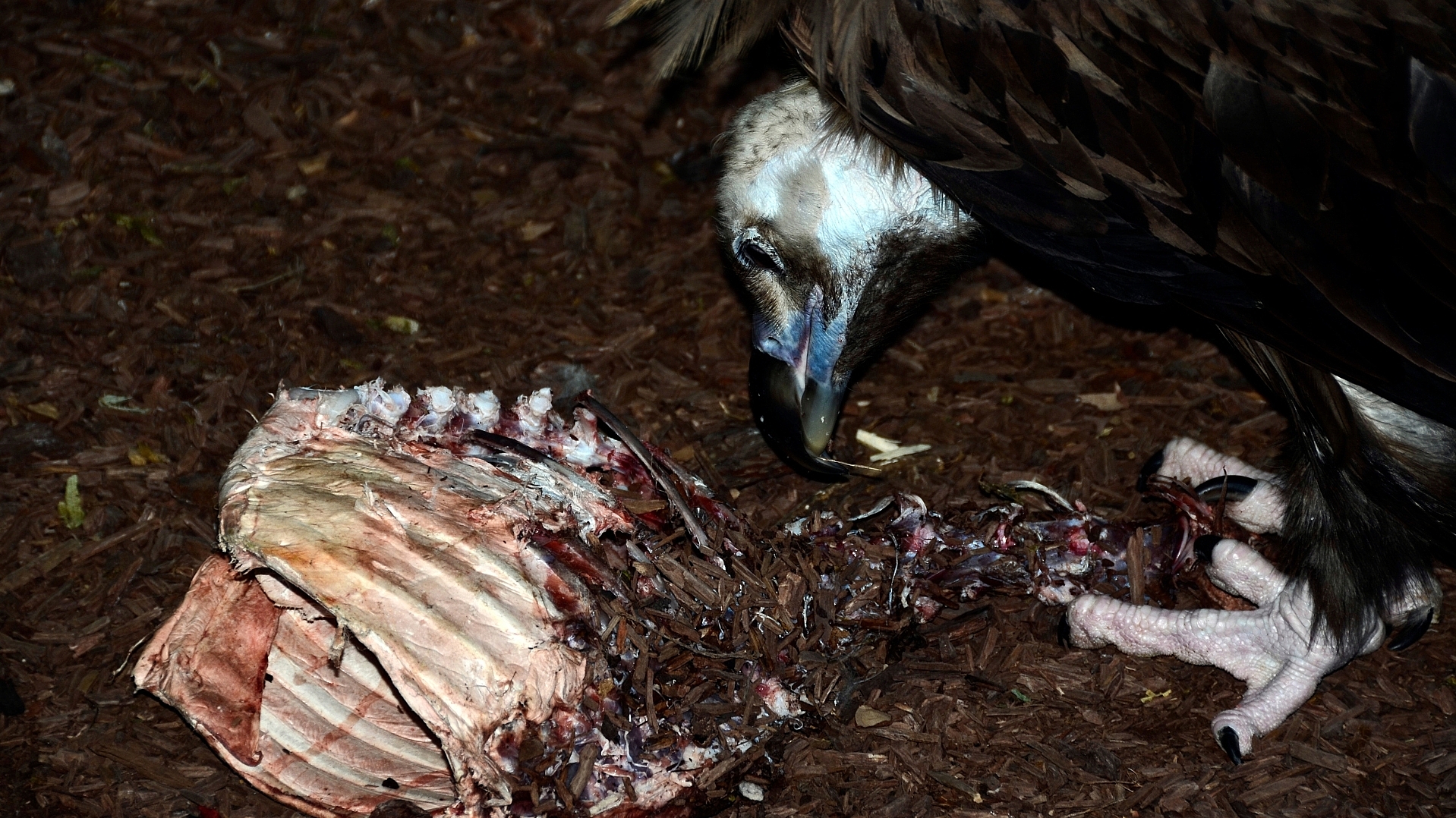
A bird preying on a carcass. Courtesy photo
A warning has been issued to the public against consuming meat that is not inspected by health officials.
This follows a series of livestock--especially cattle--dying in various areas of Kuria East in Migori County.
By the time the story was filed, the exact outbreak was still unknown.
According to residents of Ntimaru, there is a livestock trade between Tanzania and Kenya through the Gwitembe border point where many livestock cross border between the two(2) countries.
Mr Amos Muchuma, a resident of Gwitembe, said that in the area, most herders rarely vaccinate their livestock as required and when they die due to diseases, “they slaughter the carcasses and take meat to the unscrupulous butchers' shops aiming to avoid losses”.
Unsuspecting locals are sold bad meat.
"It is dangerous to feed people with meat from animals whose cause of death is unknown. It is good to involve health officials in assessing the meat intended to be sold. Locals should be given instructions on how to bury the carcasses of livestock that dies of certain diseases," said Mr Muchuma
It is here that Thomas Gibagiri, a butcher, said there are people who take the carcass to the butchery and sell at an agreed amount, a situation that, according to him, is dangerous to the consumer.
He said he knows of a few individuals who can afford to bury a carcass while regretting that many keep and consume carcass meat ordinarily.
"There are those who take the carcasses to the butchery to sell to traders and there are those who sell the carcasses locally to neighbours at a low price," Mr Gibagiri said.
What can be done to avoid this? Mr Emmanuel Chacha, a health expert from the Migori Referral Hospital, said eating the carcass of a dead animal is dangerous to health as it can infect humans with diseases including Anthrax.
"If one eats carcass meat unknowingly, they should be rushed to the hospital. Eating carcass meat can even lead to death as the carcass is contaminated," Mr Chacha warned.
He also warned herders and traders to develop a vaccinating habit of their livestock to avoid the losses.
The locals have urged the government to establish measures to clampdown on individuals involved in the vice.