

Senator Essy Okenyuri questions low tea bonuses for Gusii farmers
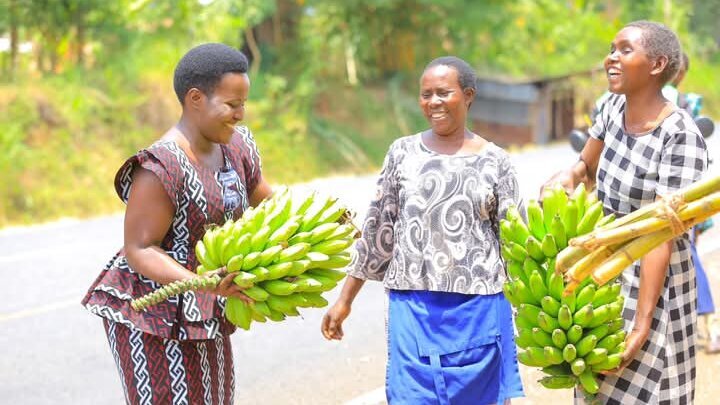
Senator Essy Okenyuri (left) buying a bunch of bananas from a farmer in Kisii. Photo/Charles Magati
Nominated Senator Essy Okenyuri wants the government to explain the reason for disparities in tea bonus payments in the country.
Some farmers, especially in Gusii--Kisii and Nyamira counties--she said, continue to reap low bonuses over the years in comparison to their counterparts from other regions especially Central Kenya.
"We want the Cabinet Secretary for Agriculture Mutahi Kagwe to explain why this disparity exists. Farmers in Gusii should equally enjoy the fruits of their labour just like their peers elsewhere," Ms Okenyuri told the Senate during a session Wednesday morning.
Tea farming is considered major source of livelihoods for many farmers in Kenya.
Kenya Tea Development Agency (KTDA) has since exonerated itself from accusations of manipulating bonus payments.
The rates paid by factories, the authority says in a statement, are determined by several factors, among them income for the year.
Other factors are the quality of tea leaves delivered, production costs, and the average price the factory secured in the market.
The bonuses are divided into two(2) tranches paid out as mini-bonus, which is the initial payout, and the second, larger payment.
Farmers in Gusii region are among those that protested the low bonuses in 2024.
They cited lack of transparency and fairness in the process.
KTDA however says the bonus rates at individual factories are determined by the factory directors.
"This responsibility lies with the directors and management of each factory, highlighting the decentralised nature of the payment system," KTDA says in a statement.
On Wednesday, Ms Okenyuri said despite farmers in Gusii doing all they can to improve their yields, the bonus continues to remain low.
"It would be in order that they get explanations on why certain factories are paying more to their farmers while they are receiving peanuts," she posed.
Currently, KTDA manages 71 tea factories across 21 counties, facilitating the growth and processing of tea.