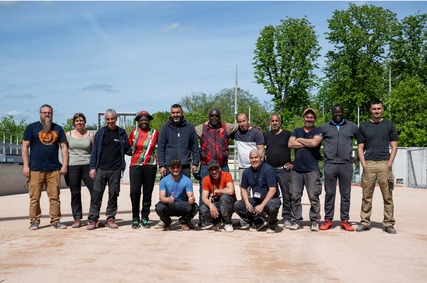

Nairobi Club draws lessons from Roland Garros visit on sustainable tennis excellence
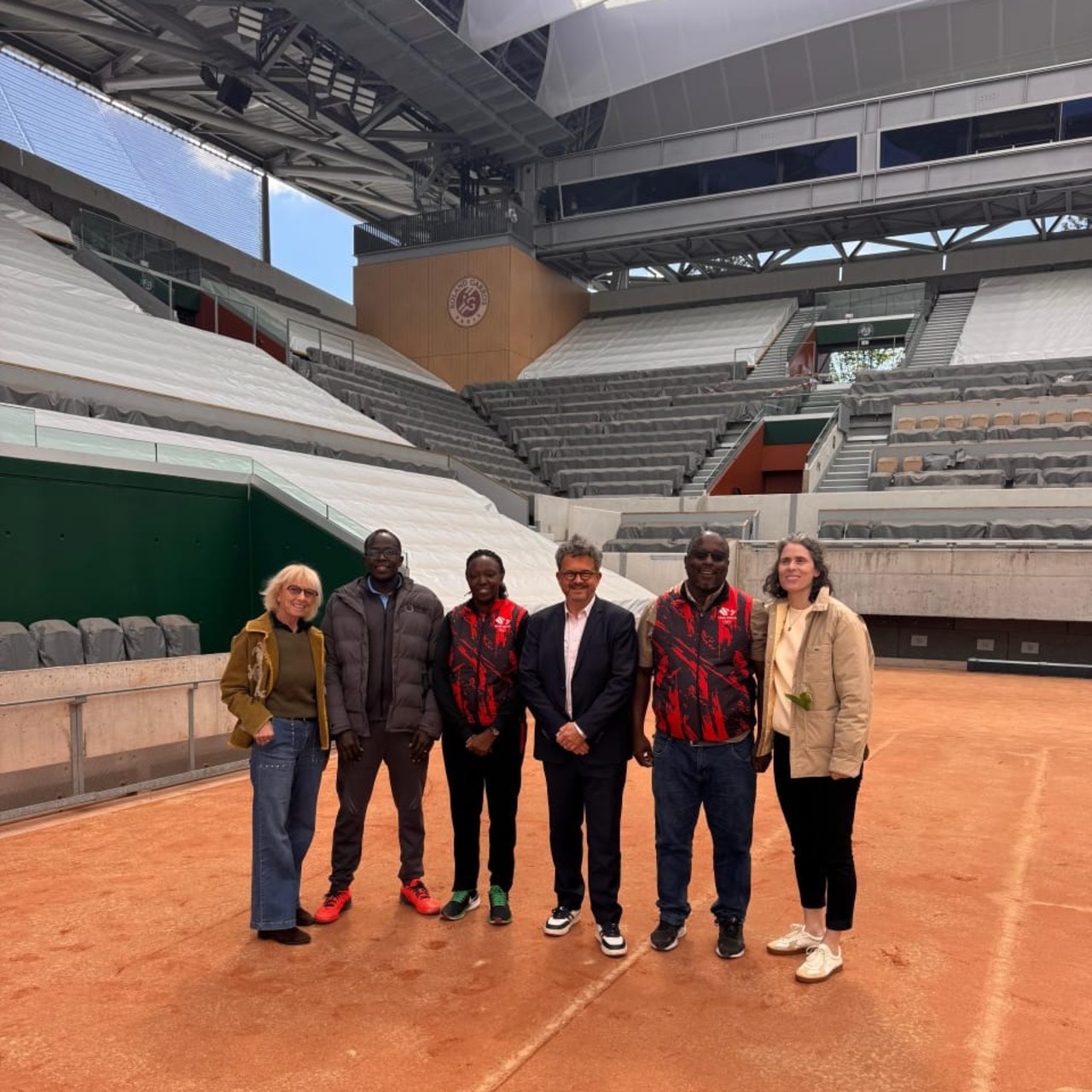
Micah Wanyama, vice chairman of Nairobi Club, stood at the edge of the Roland Garros clay courts, watching the maintenance team at work.
For him, the visit was not about the prestige of the venue, but about understanding how the courts are built and sustained.
“What stands out here,” he explained, “is that the courts are treated as systems, not just surfaces.”
At Roland Garros, every part of the clay court is carefully managed. The surface sits on structured layers designed for drainage and stability. Moisture is controlled throughout the day, and maintenance follows a strict routine. The teams do not wait for visible damage. They act based on a plan that keeps the courts consistent.
Wanyama observed that this approach removes guesswork.
“You can see that decisions are made early,” he said.
“That is what keeps the quality stable over time.”
For Nairobi Club, the lessons are practical. Instead of focusing on short-term fixes, the emphasis should be on long-term planning that is proper construction, scheduled renewal, and disciplined maintenance routines.
The visit also highlighted a broader need. As tennis grows in Kenya, courts are used more frequently, increasing wear and tear. Without strong systems in place, surfaces can quickly deteriorate.
“Clubs need courts that can handle heavy use,” Wanyama said.
“That requires structure and discipline, not just effort.”
Later in the week, the Kenyan delegation, which also include Tennis Kenya Secretary General Nancy Nduku, will visit TCGV Tennis Club, a private members club with 13 clay courts. Unlike Roland Garros, TCGV operates under constant daily use, making it a useful comparison for Nairobi Club.
The focus there will be on how courts are managed in real conditions—how they are rotated, how maintenance is prioritized, and how quality is balanced with availability.
Together, the visits offer a clear perspective. Roland Garros demonstrates precision and planning at the highest level, while TCGV shows how those principles function under continuous use.
“The objective is not to copy,” Wanyama noted.
“It is to apply what works in a way that fits Nairobi Club and Kenyan tennis,” added Wanyama who is in Paris from April 13-17, 2026.