

Legendary driver Patrick Njiru roots for revival of rally clubs to grow Kenya’s next champions
- Created by Jeff Olubuyi
- Sports Extra
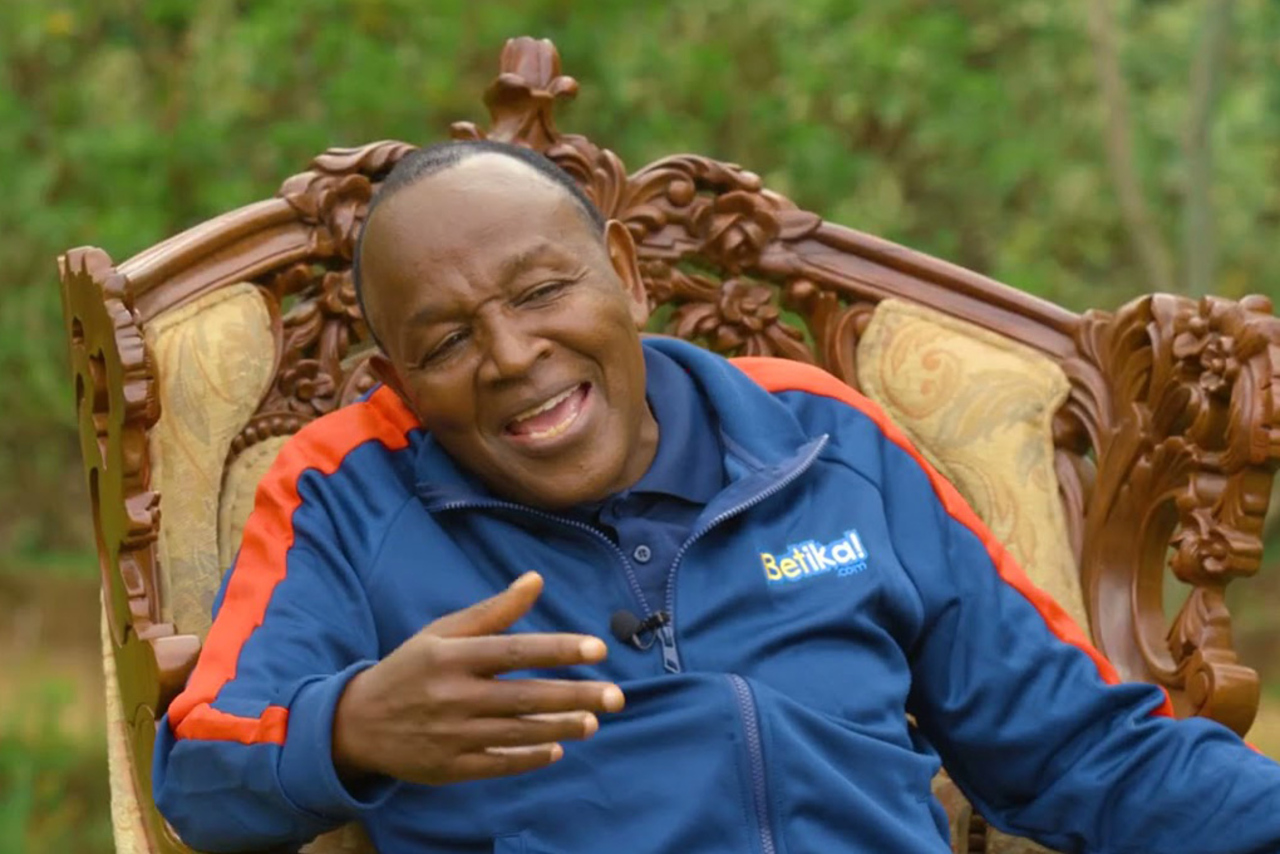
Kenyan rally legend Patrick Njiru has called for the revival of grassroots motorsport clubs, saying they were once the backbone that produced the country’s most successful drivers.
Njiru, a four-time Kenyan National Rally Champion, said the pathway that shaped his own career began at club level where young drivers learned the fundamentals of rallying, including pace notes and working with navigators.
“The pace note, the reading of the notes, the navigator, we learned all that from the clubs when we started,” Njiru recalled.
“Without those clubs I would never have been noticed.”
He explained that his rise through the ranks began with training rallies, where he competed in six events before emerging champion. That success opened the door to the Clubman Championship, which he won in 1988, before graduating to the national stage.
Njiru would later dominate Kenyan rallying, winning the national title four times overall, a feat he says was even more difficult in an era when local championships attracted massive entries.
“In those days we used to get 50 entries in a local championship,” he noted. “The clubs were producing drivers. Today you hear there are six or eight cars in the national championship, which shows how much things have changed.”
According to the veteran driver, the decline of club structures has slowed the development of young drivers and reduced competition in local rallies. He believes restoring those structures would help inject new talent into the sport.
“Just like football or golf, the clubs are where everything begins,” he said. “If we want to reach the level where Kenya hosts major events successfully, then we must strengthen the clubs again.”
Njiru also noted that strong local competition once attracted heavy media coverage from major Kenyan outlets, helping rallying grow into one of the country’s most popular sports.
On the global stage, Njiru believes Toyota currently holds a clear advantage in the Safari Rally Kenya and the broader World Rally Championship.
“To be very frank, Toyota looks unbeatable right now,” he said, praising the manufacturer’s strong investment in research and development.
However, he hopes stronger competition will return if manufacturers such as Subaru, Mitsubishi Motors and Lancia re-enter top-level rallying.
Beyond the international scene, Njiru believes the key to growing the sport locally lies in making rally cars more affordable. In his early years, he said drivers often bought relatively cheap cars and slowly upgraded them for competition.
“The machine is the biggest issue,” he explained. “If we can get affordable cars, then more young drivers will come into the sport.”
Now largely focused on coffee farming in Embu, Njiru remains passionate about Kenyan rallying and hopeful that renewed investment, sponsorship and grassroots development will inspire a new generation of drivers.
“If we get the structure right again,” he said, “Kenya can produce many more champions.”