

Catch up with the latest as drivers count hours to Safari Rally vroom in Naivasha
- Created by Jeff Olubuyi
- Sports Extra
For the first time since the rally returned to the WRC calendar in 2021, Nairobi has been dropped entirely from the route.
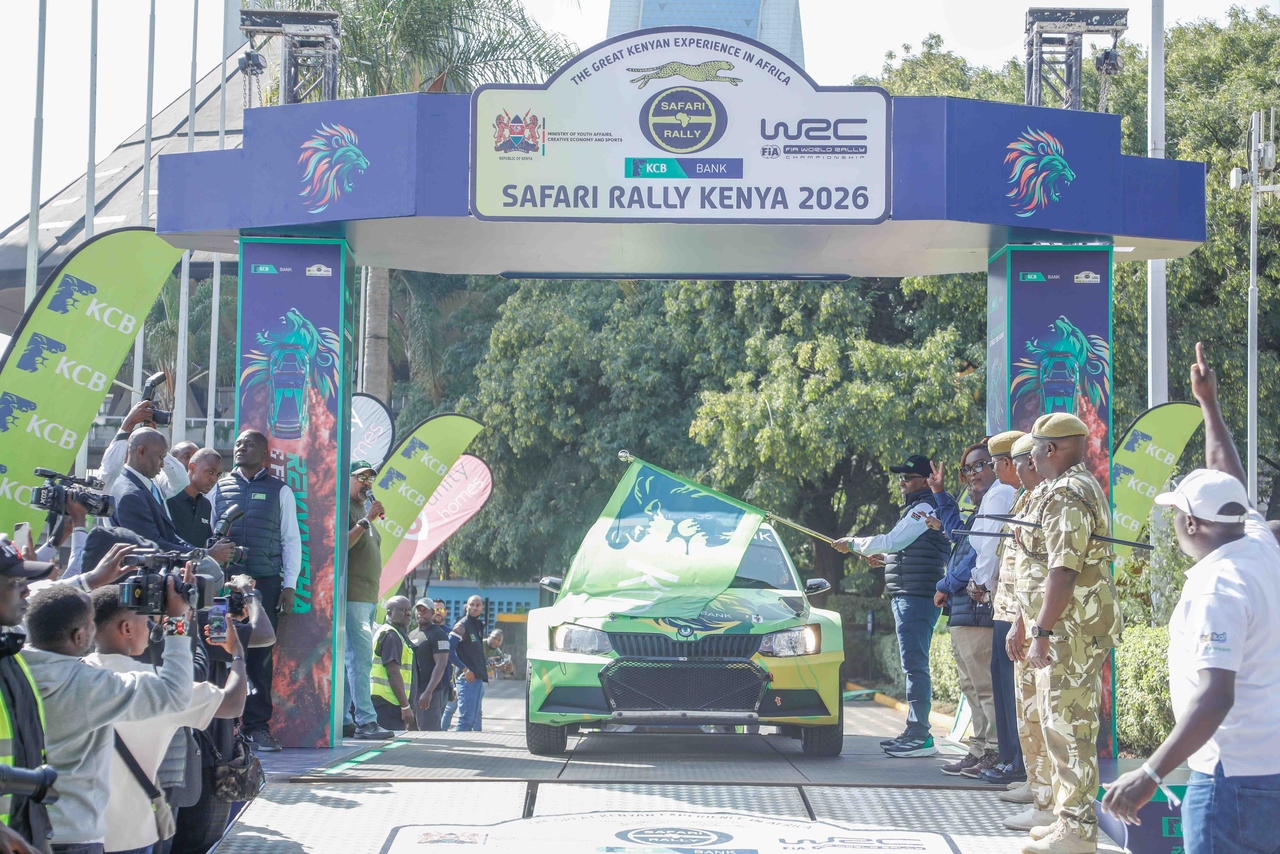
drivers during the ceremonial start at the official launch of the 2026 KCB WRC Safari
Rally Sponsorship at KICC, Nairobi on February 10, 2026. Photo/Courtesy

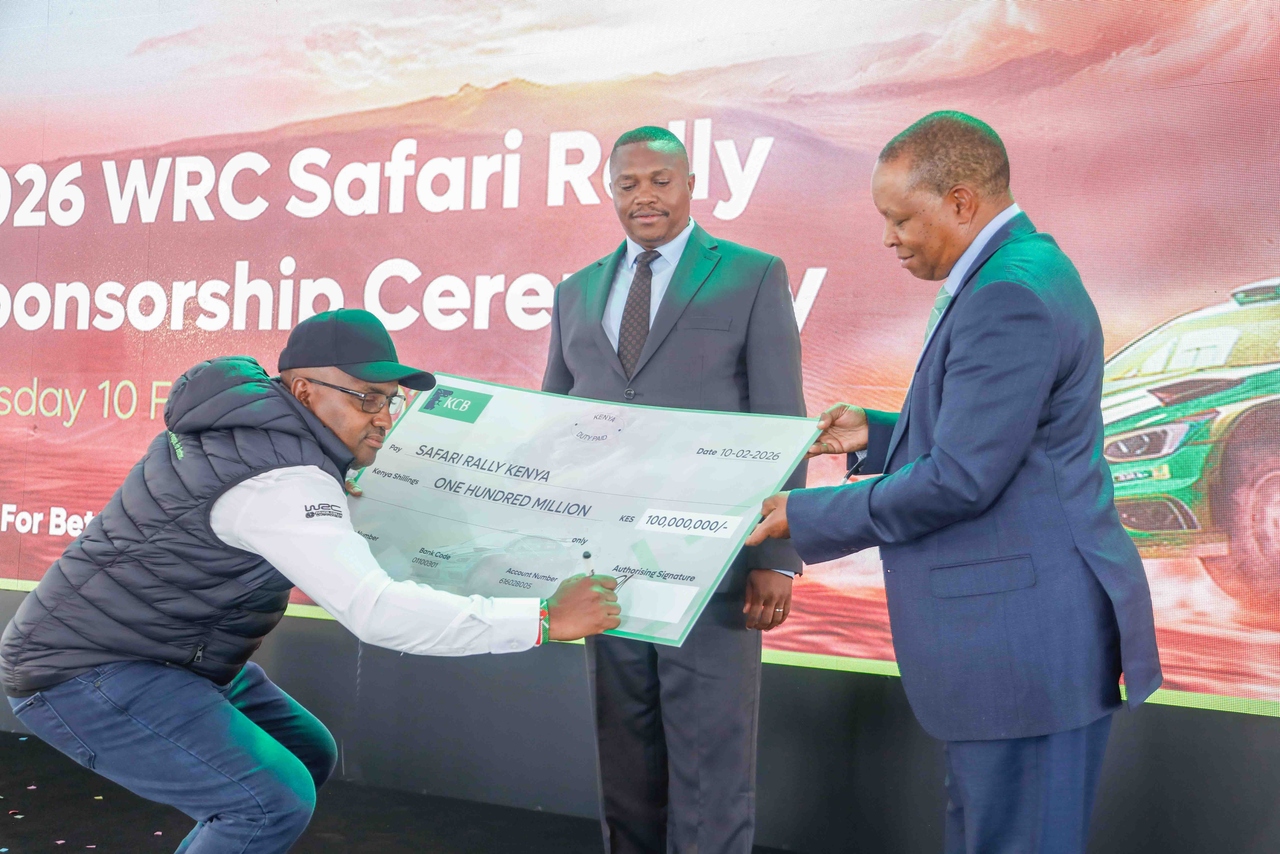
Sports, Elijah Mwangi, and Safari Rally CEO Charles Gacheru look on during the official
launch of the 2026 KCB WRC Safari Rally Sponsorship at KICC, Nairobi, on February
10, 2026. Photo/Courtesy
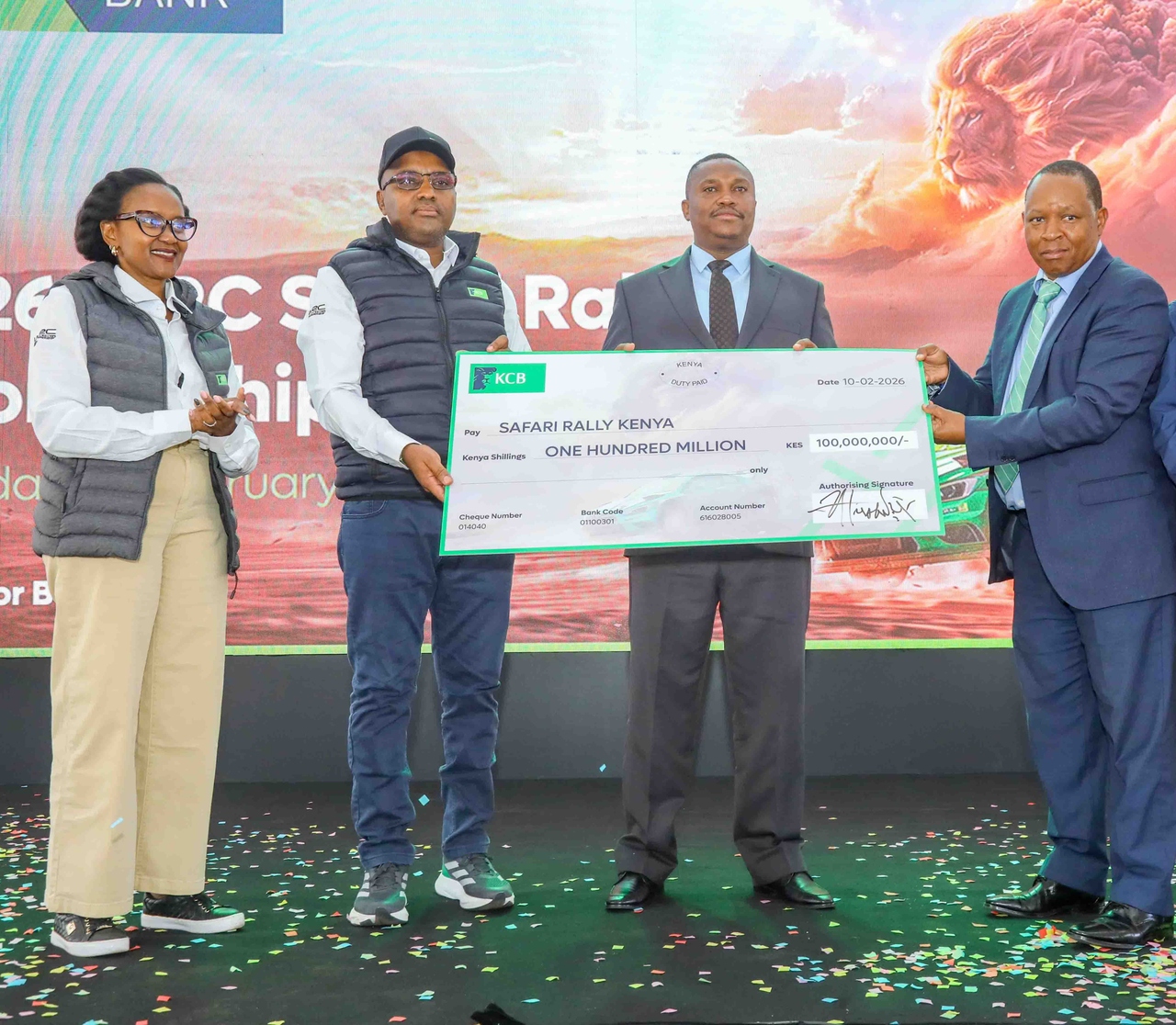
Group CEO Paul Russo, pose for a photo alongside PS State Department for Sports,
Elijah Mwangi, and Safari Rally CEO Charles Gacheru during the official launch of the
2026 KCB WRC Safari Rally Sponsorship at KICC, Nairobi, on February 10, 2026. Photo/Courtesy
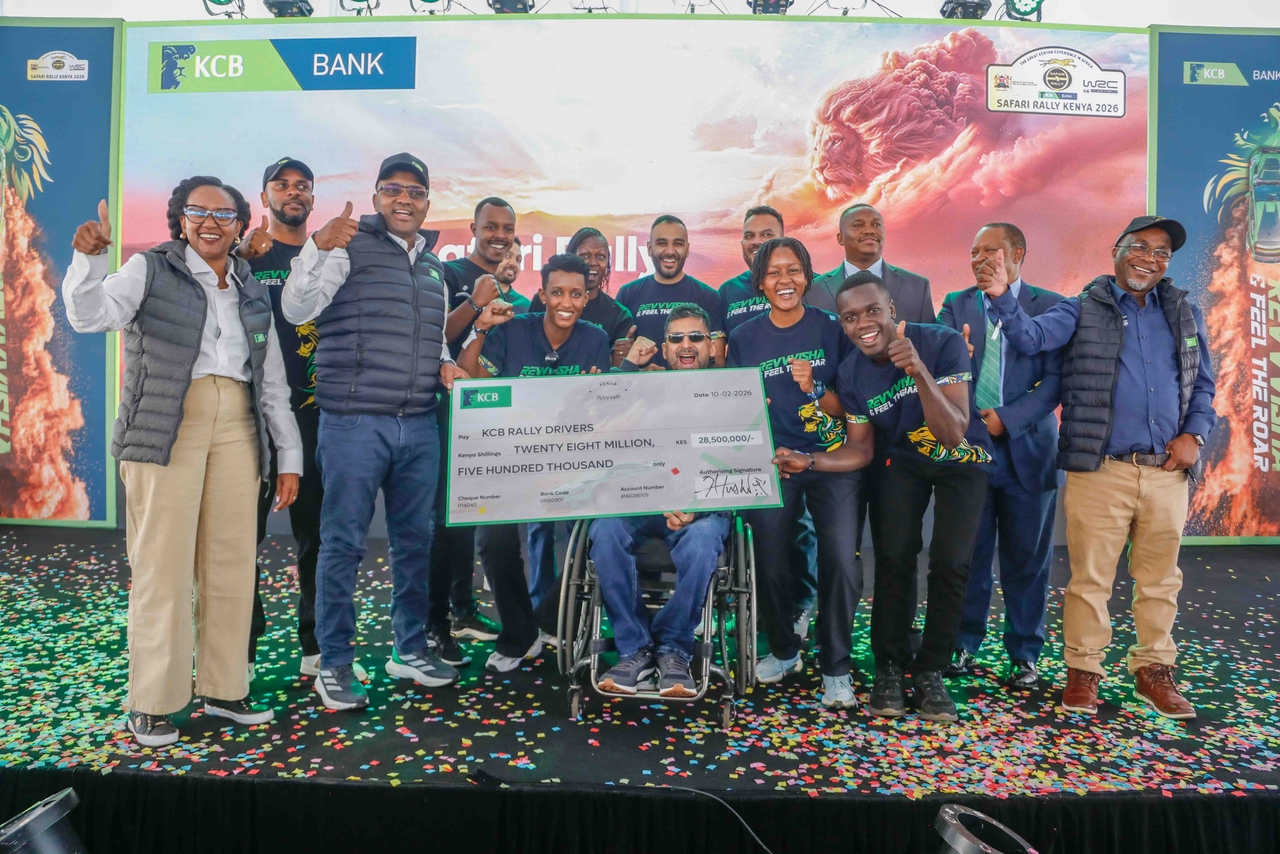
present a cheque to the KCB-sponsored rally drivers from across East Africa during the
official launch of the 2026 KCB WRC Safari Rally Sponsorship at KICC, Nairobi, on
February 10, 2026. Photo/Courtesy
drivers during the ceremonial start at the official launch of the 2026 KCB WRC Safari
Rally Sponsorship at KICC, Nairobi on February 10, 2026. Photo/Courtesy



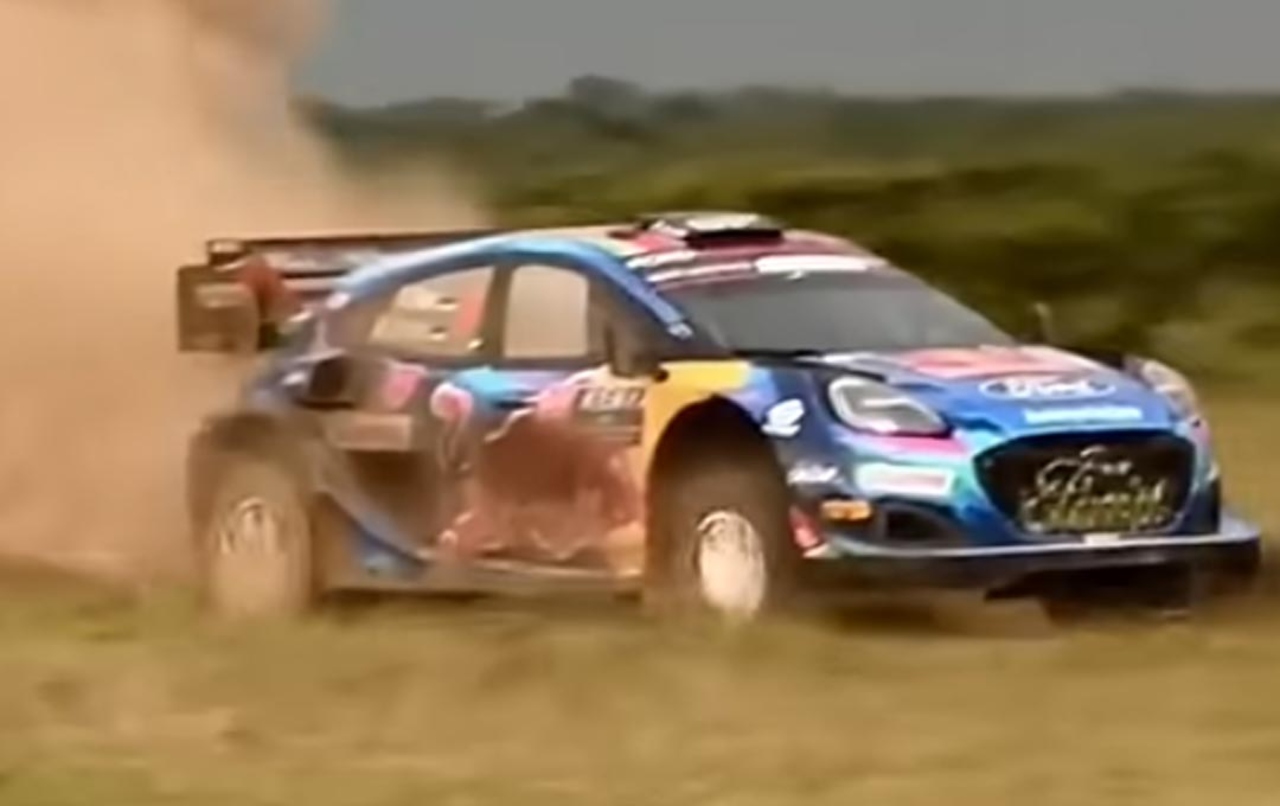
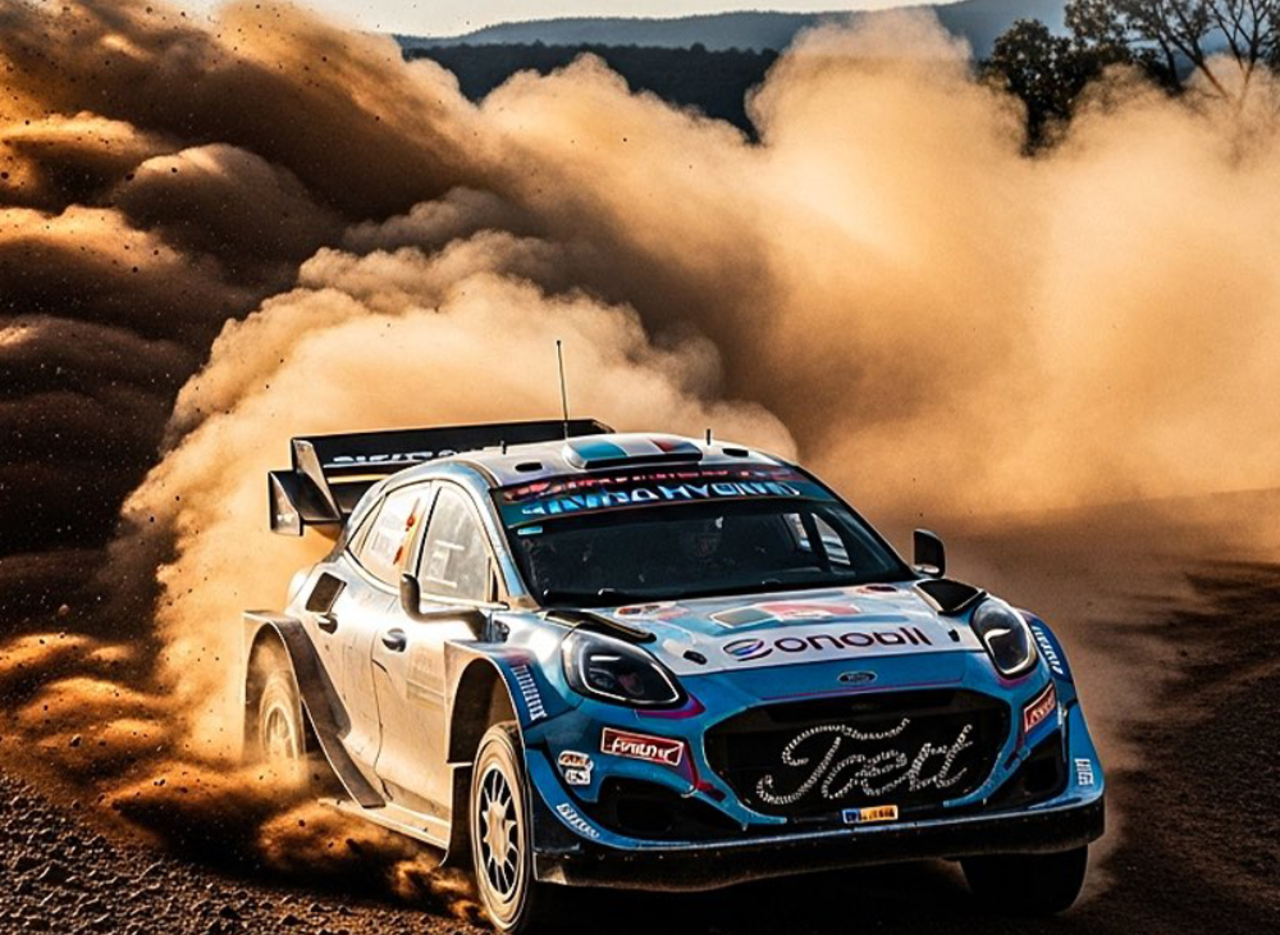

The long wait is over as the 74th Safari Rally Kenya ushers in a bold new era in 2026, abandoning the urban spectacle of Nairobi for a fully Naivasha-based challenge in the Great Rift Valley.
Scheduled for March 12–15 as the third round of the World Rally Championship (WRC), this year’s rally concentrates entirely on the unforgiving terrain surrounding Lake Naivasha, promising a high-intensity battle across 20 special stages in four days.
While the event is no longer the thousand-mile marathon of the past, its reputation as the toughest gravel rally in the WRC remains intact. From the brutal “fesh-fesh” sand of Kedong to the high-speed savannah around Sleeping Warrior, the Safari continues to push drivers and machines to their limits. Razor-sharp rocks, unpredictable weather and roaming wildlife remain part of the rally’s character.
For the first time since the rally returned to the WRC calendar in 2021, Nairobi has been dropped entirely from the route.
The ceremonial start at Kenyatta International Convention Center nd the Kasarani Super Special Stage have been removed in favour of a Naivasha-only itinerary. Shakedown will take place Thursday morning at the new Nawisa test area before competitive action begins later that afternoon.
The rally’s toughest day will be Friday, when crews tackle a gruelling eight-stage loop that includes a reversed run through the punishing Camp Moran stage. The rally concludes Sunday with repeat runs through the iconic Hell’s Gate stage, which also serves as the Wolf Power Stage against the dramatic cliffs of the Rift Valley.
The event has attracted drivers from Great Britain, Sweden, Japan, France, Belgium, Finland, India, Greece, Bolivia, Paraguay, Poland, Estonia, Norway, Ireland, Kenya, Rwanda, Uganda and Tanzania.
Briton Elfyn Evans arrives as the defending Safari Rally champion and current WRC leader with 60 points. Oliver Solberg from Sweden sits second with 47 points ahead of Japanese Takamoto Katsuta (30), Frenchman Adrien Fourmaux (28), Belgian Thierry Neuville (21), Frenchman Sébastien Ogier (18) and Sami Pajari from Finland (17).
Toyota Gazoo Racing dominated the opening rounds of the season. Oliver Solberg, Elfyn Evans and Sébastien Ogier swept the podium at the season opener in Monte Carlo in January before Evans led a Toyota 1-2-3-4 finish in Sweden ahead of Takamoto Katsuta, Sami Pajari and Solberg in February.
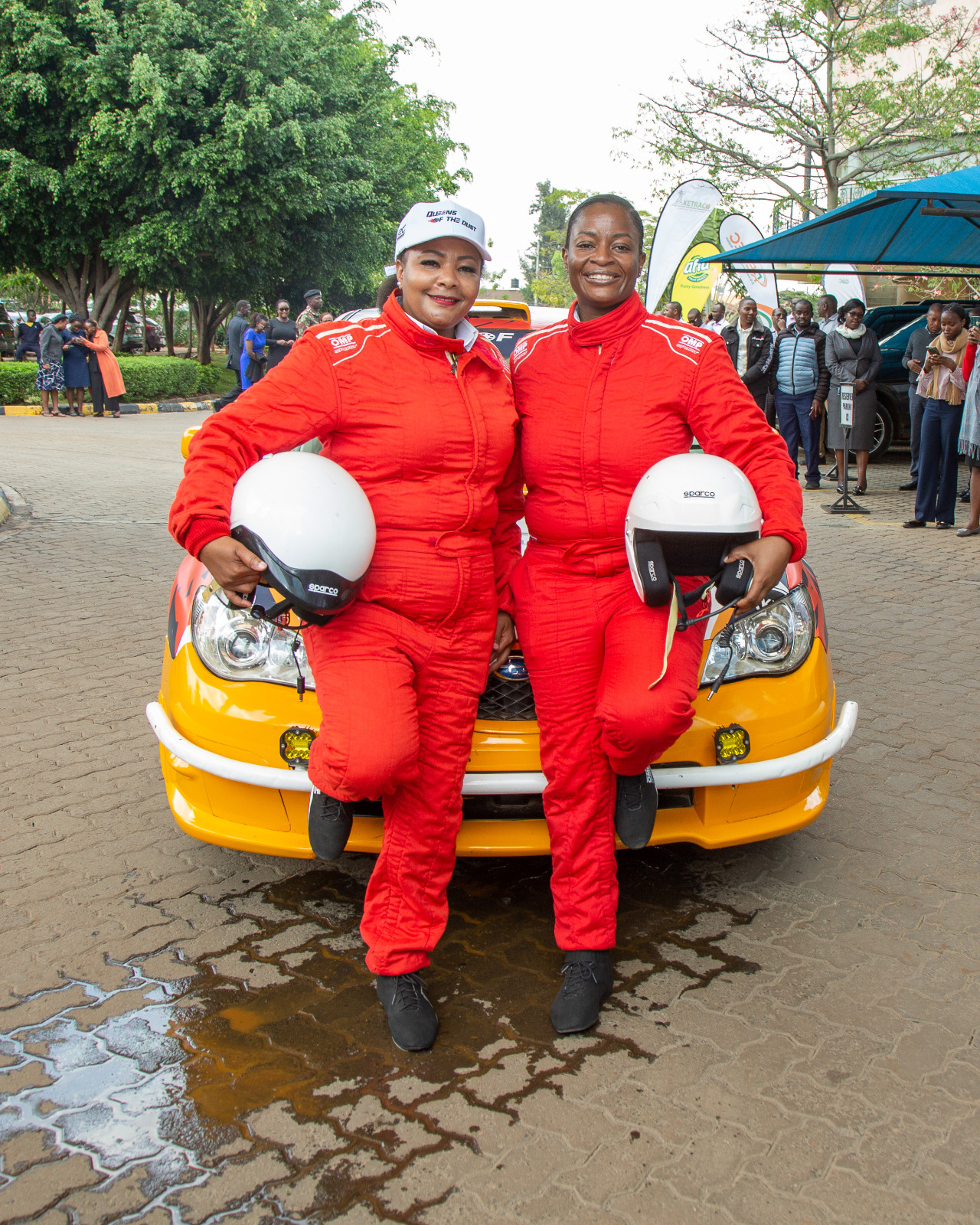
A total of 46 drivers are expected to compete, including 17 Kenyans. Among the local stars are former African champions Karan Patel and Carl Tundo, reigning national champion Samman Vohra and female drivers Tinashe Gatimu and Pauline Sheghu.
Read: Inspired by Tänak, driven by family: Tinashe Gatimu’s big dream in rallying
Fan attendance exceeded 400,000 in 2025, and organisers expect the number to climb toward 700,000 as the Safari Rally once again roars through Naivasha’s legendary terrain.